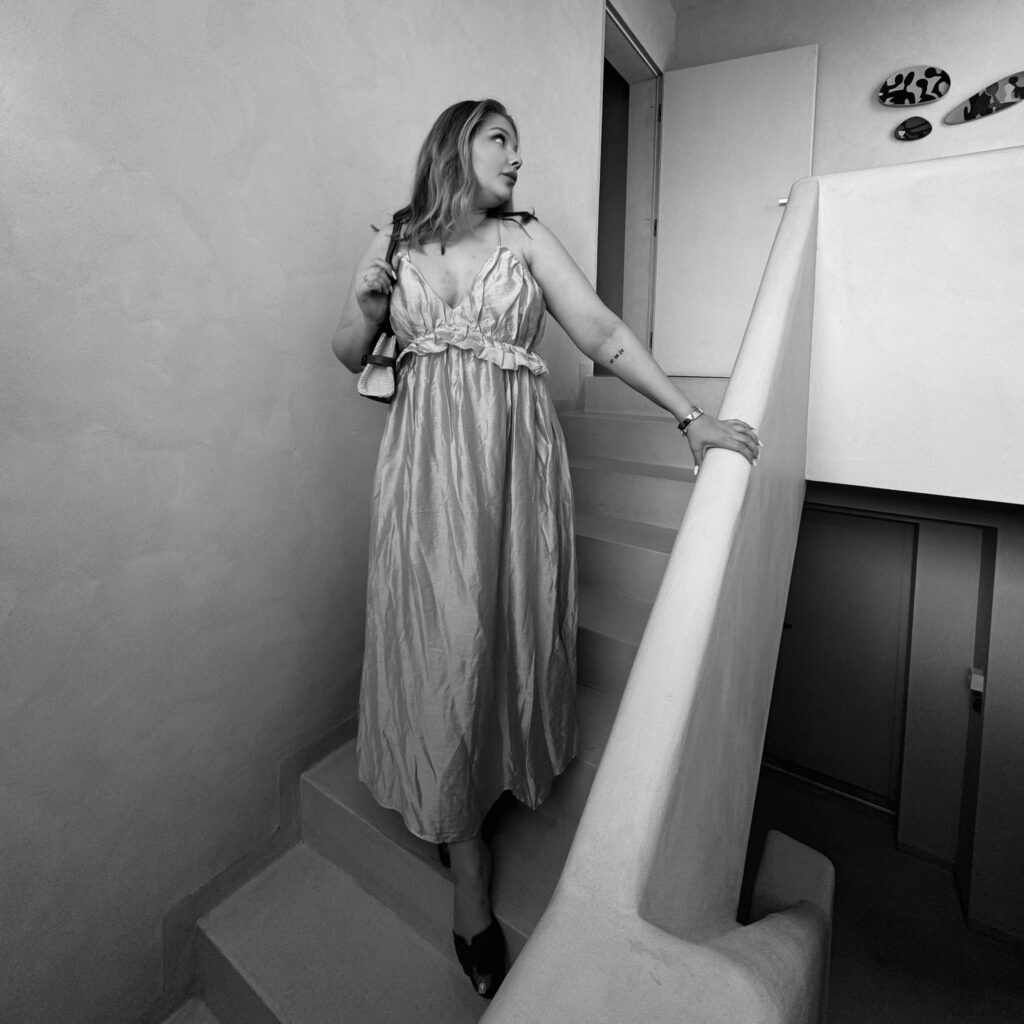
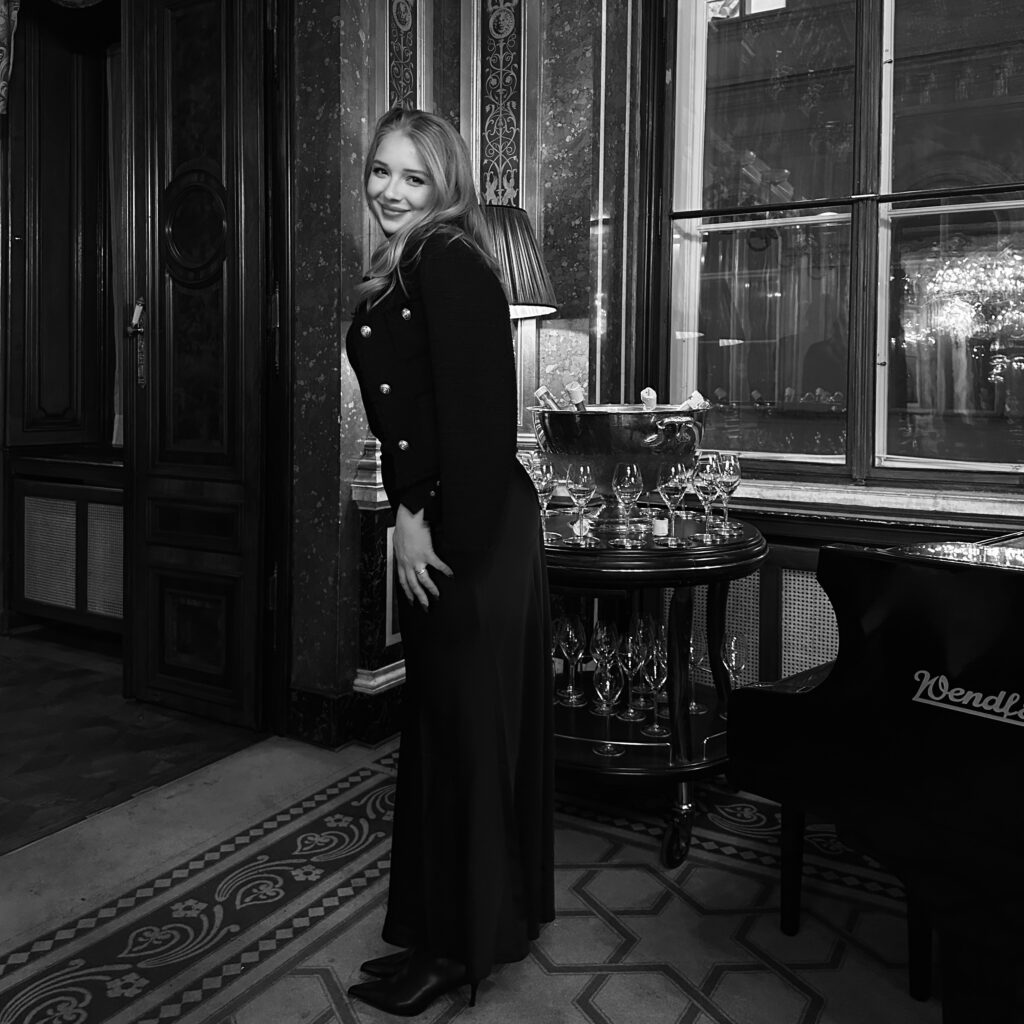
“Sometimes it’s not a city’s most famous landmarks that impress me the most—but rather those places where you suddenly stop, look up, and think to yourself: ‘Why have I never been here before?’”
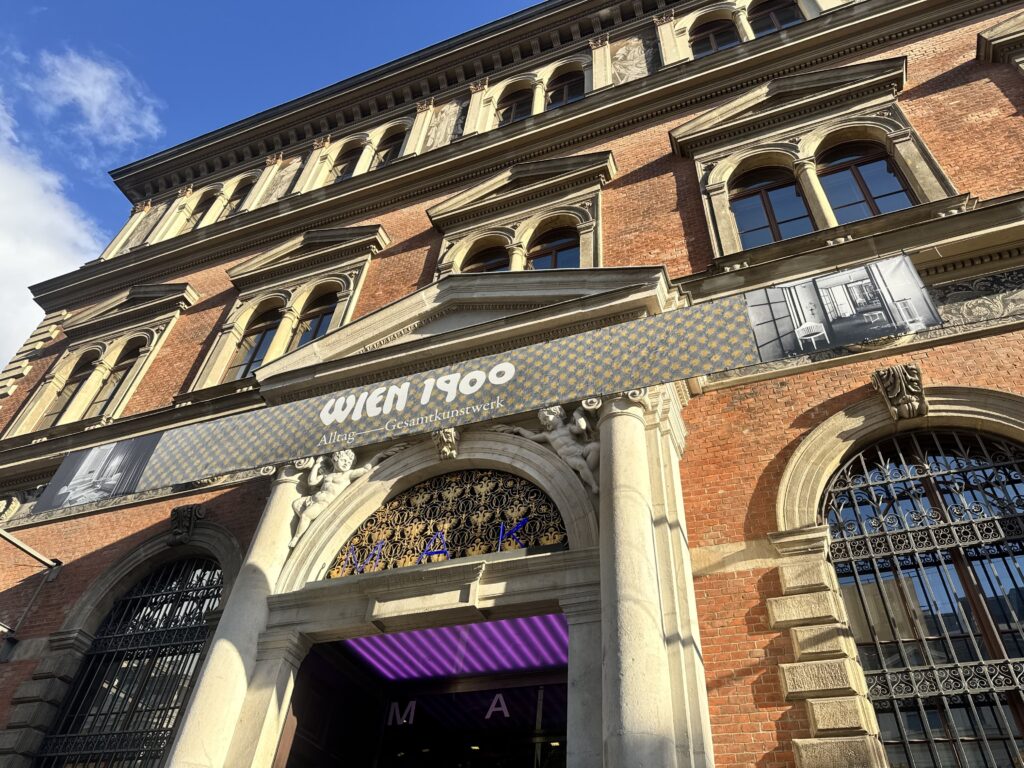
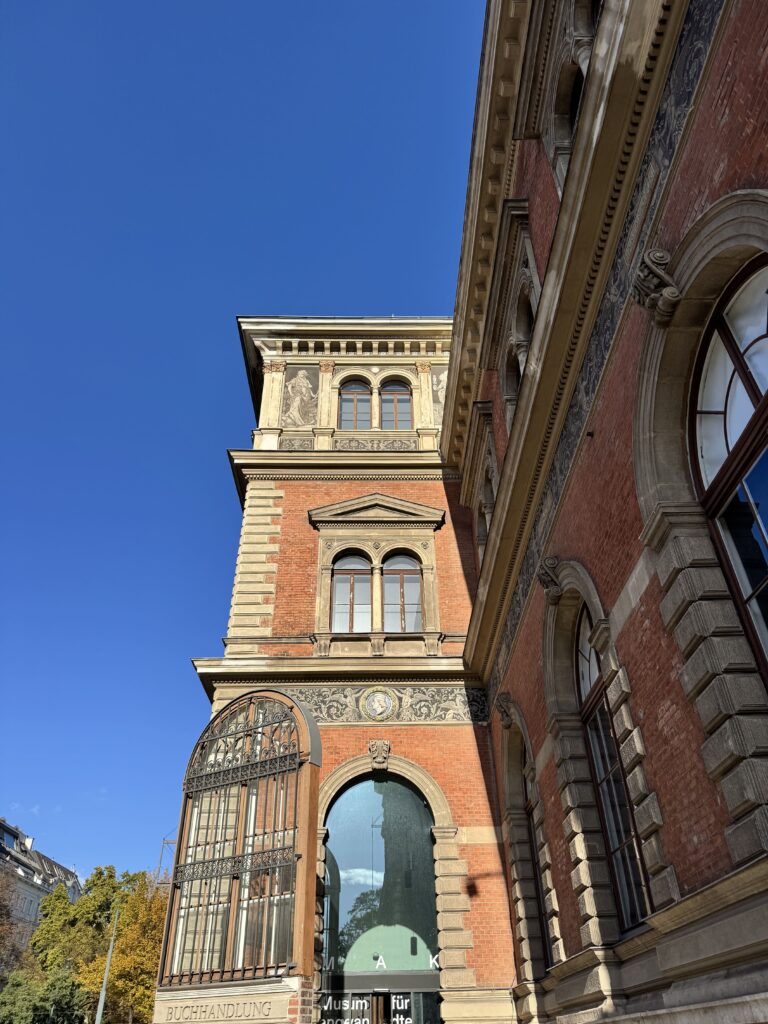
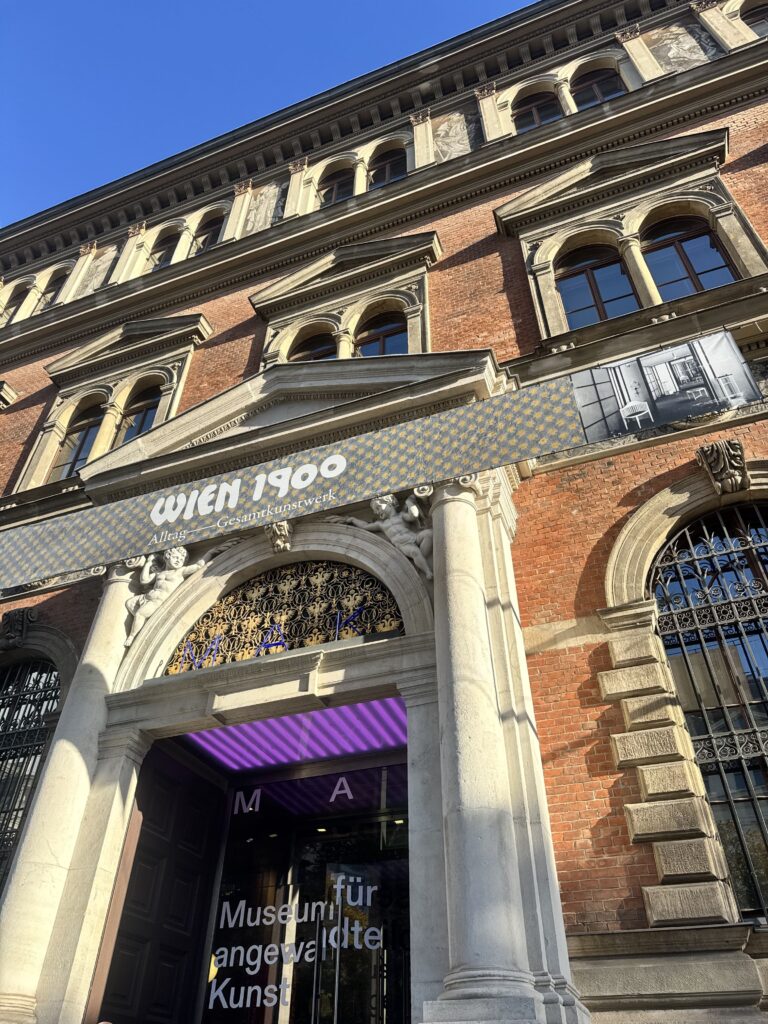
There are cities that you visit once, and you feel as though you’ve seen everything. And then there’s Vienna—a city where I’ve lived for years, yet one that still manages to surprise me time and again. Just when I think I’ve truly discovered every beautiful corner, I stumble upon a place that had previously remained completely off my radar. That’s exactly what happened to me with the MAK. In my view, the Museum of Applied Arts (MAK) is one of the most underrated attractions in our capital. Many people are, of course, familiar with the building—
at least from passing by—but how many have actually taken the time to go inside and explore everything at their own pace?
I absolutely love outings like this. A bit of culture, beautiful architecture, interesting exhibitions—and, ideally, a few rooms that look as though an aristocratic ball could break out in them at any moment. Honestly, that’s all it takes to make me happy. And the best part of our visit? It was completely free of charge. Because, as expensive as life can sometimes be, Vienna consistently offers wonderful opportunities to experience art and culture at no cost. On certain days, various museums open their doors—and that’s exactly the kind of opportunity my husband and I took advantage of.
A spontaneous museum visit, with no great expectations. And in the end, an afternoon that reminded me, once again, why I love this city so much.
Why Free Museum Days
Are Always Worth Discovering
I think we sometimes forget just how privileged we are to live in a city with such an extensive cultural offering.
It’s not without reason that Vienna consistently ranks among the most livable cities in the world. Beyond the beautiful architecture, the coffee houses, and the history, there are countless museums, galleries, and exhibitions. You would likely have to visit somewhere new every single weekend just to come close to seeing it all. What I find particularly wonderful is that culture doesn’t always have to be expensive. Of course, I’m happy to pay an entrance fee if an exhibition genuinely interests me, but free museum days are a fantastic way to discover places that might not otherwise have made it onto your list. That’s precisely why the MAK was on our agenda this time around.
I didn’t have any specific exhibition in mind that I was dying to see. Rather, I was curious about the building itself and what lay behind its historic façade.
And honestly? Sometimes the best outings happen precisely when you don’t plan every single minute in advance. So off we went, ready for a bit of art, some history, and—hopefully—plenty of beautiful architecture.
First Things First:
No Coats, Just Beautiful Architecture
Even before things really got underway, there was already a plus point.
Right by the entrance, there are lockers where you can stow away your jackets and other belongings. It might sound like a small detail, but I find such things incredibly practical. After all, who wants to walk through a museum wearing a heavy winter coat? Especially if you plan on seeing every single room—eventually, you start to get warm, you end up carrying your coat over your arm, and within half an hour at the latest, it just becomes a nuisance. So, we tucked away everything we didn’t need and were able to begin our tour in complete comfort.
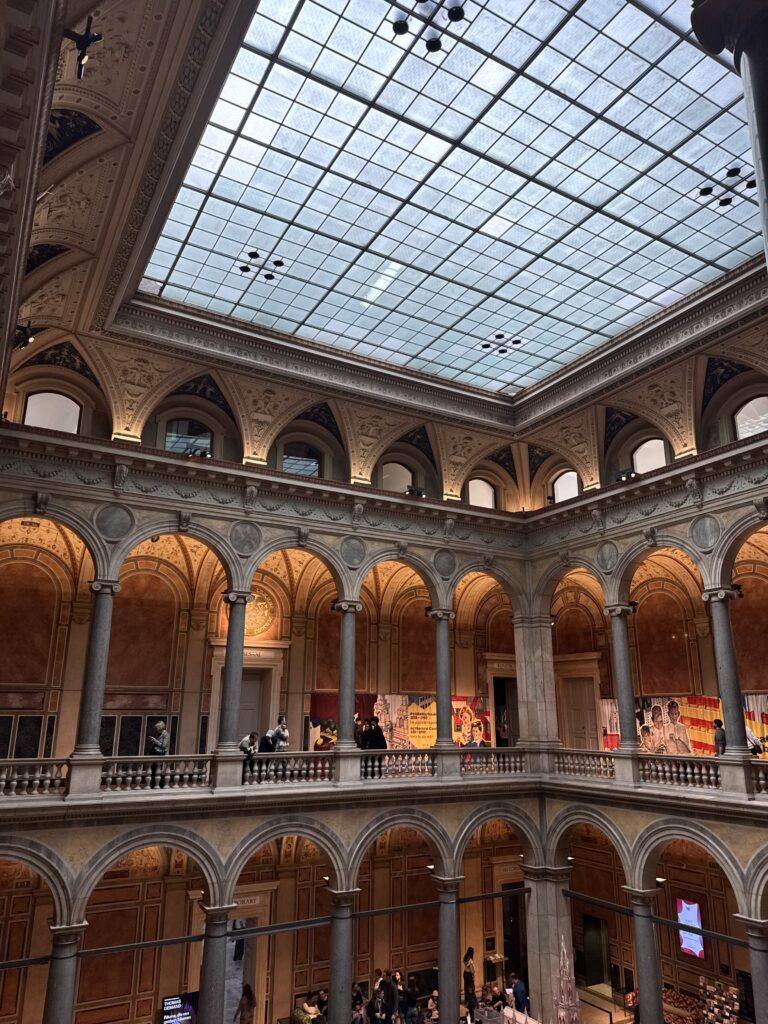
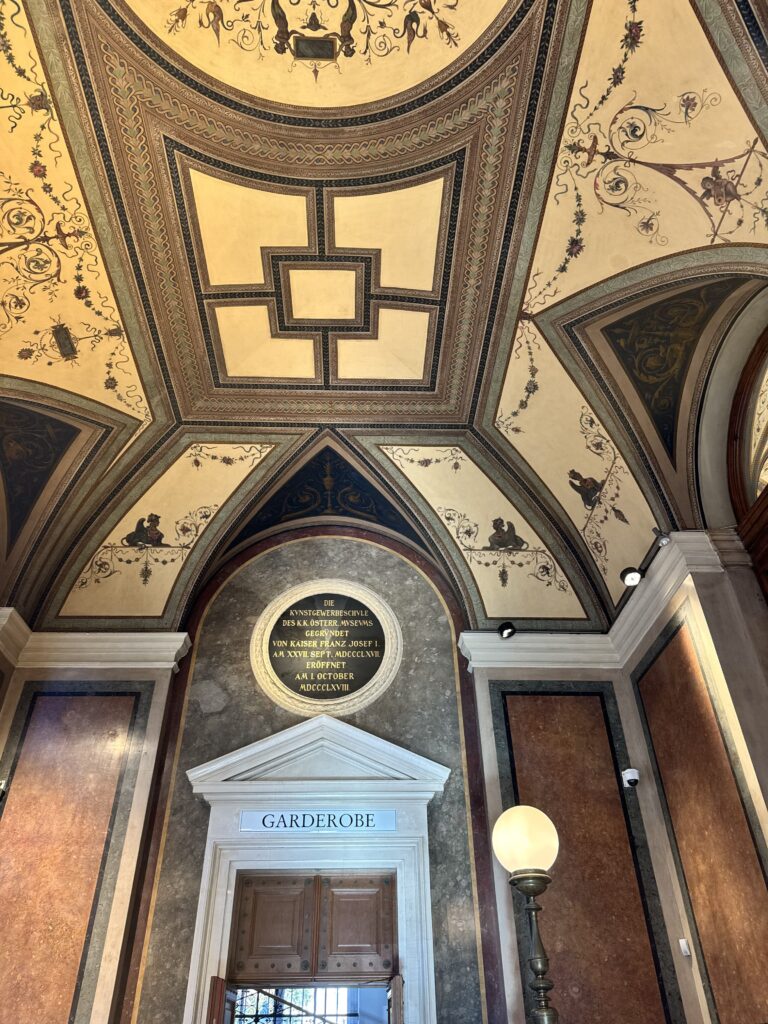
And then, suddenly, we were standing in the grand entrance hall.
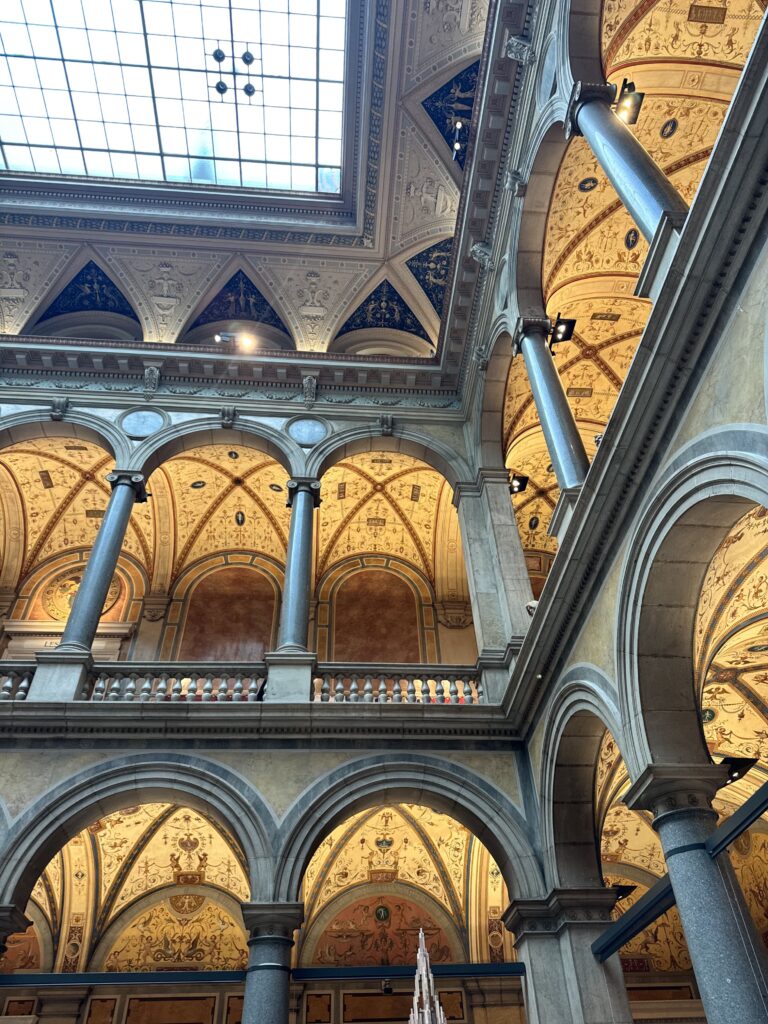
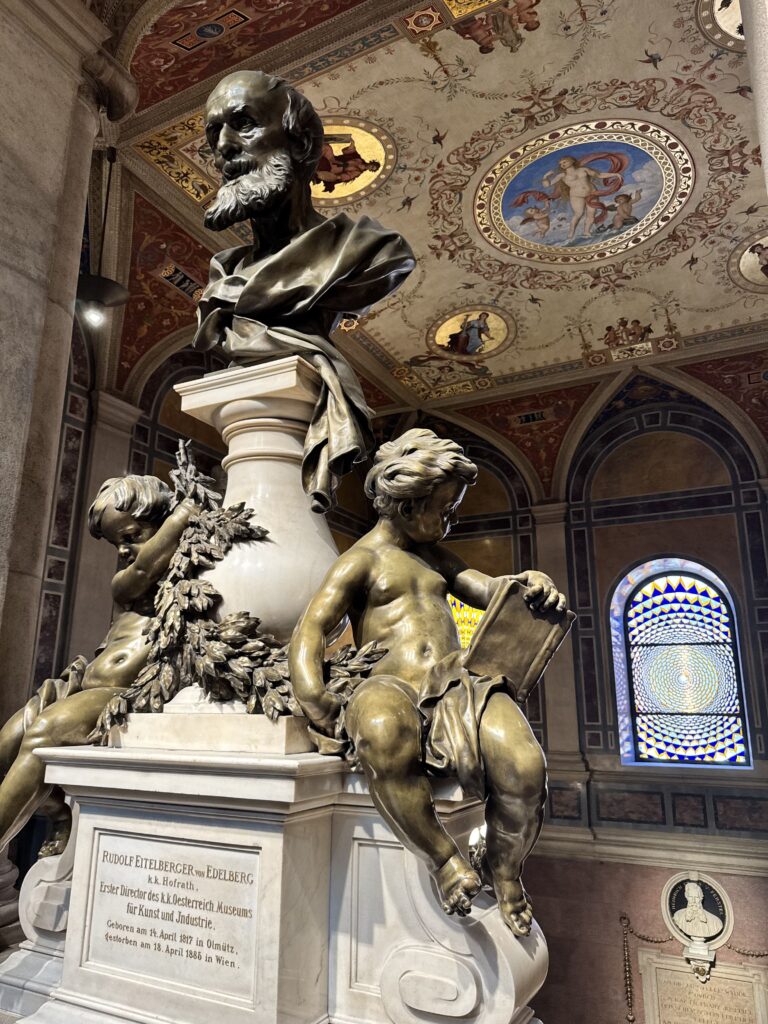
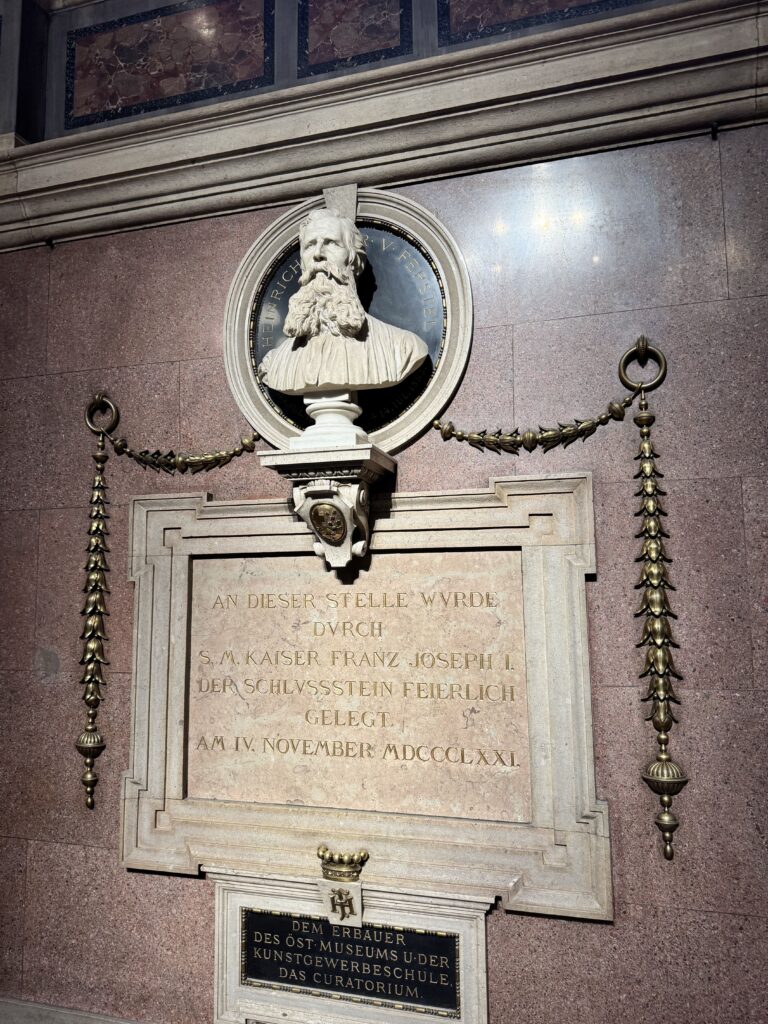
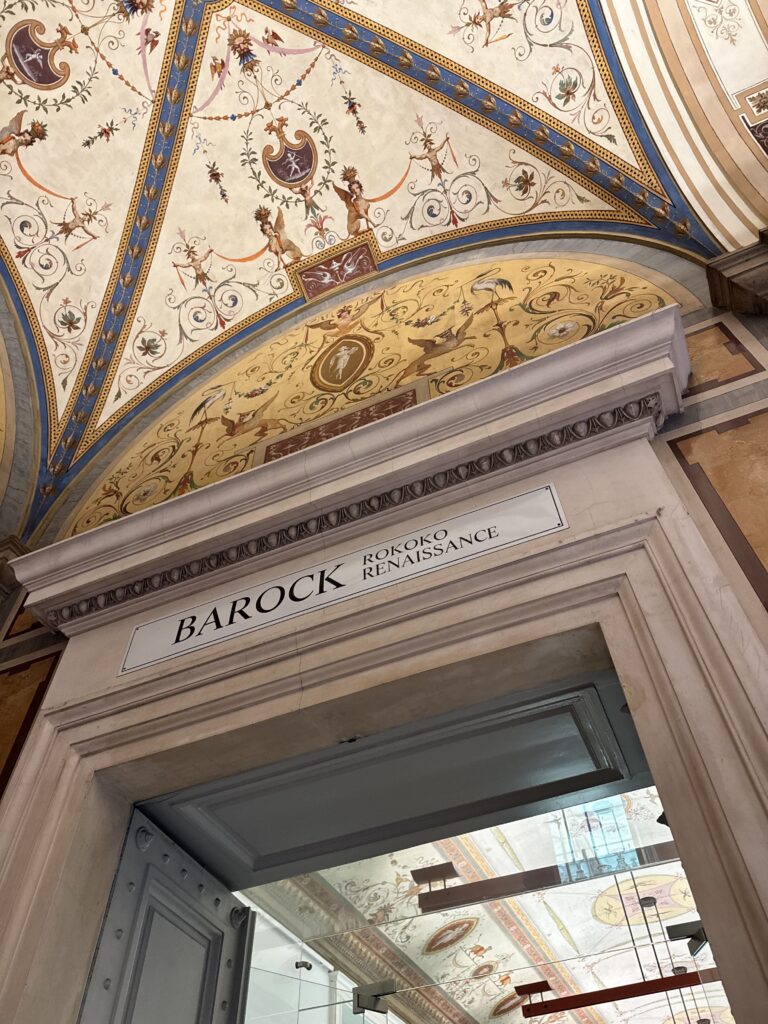
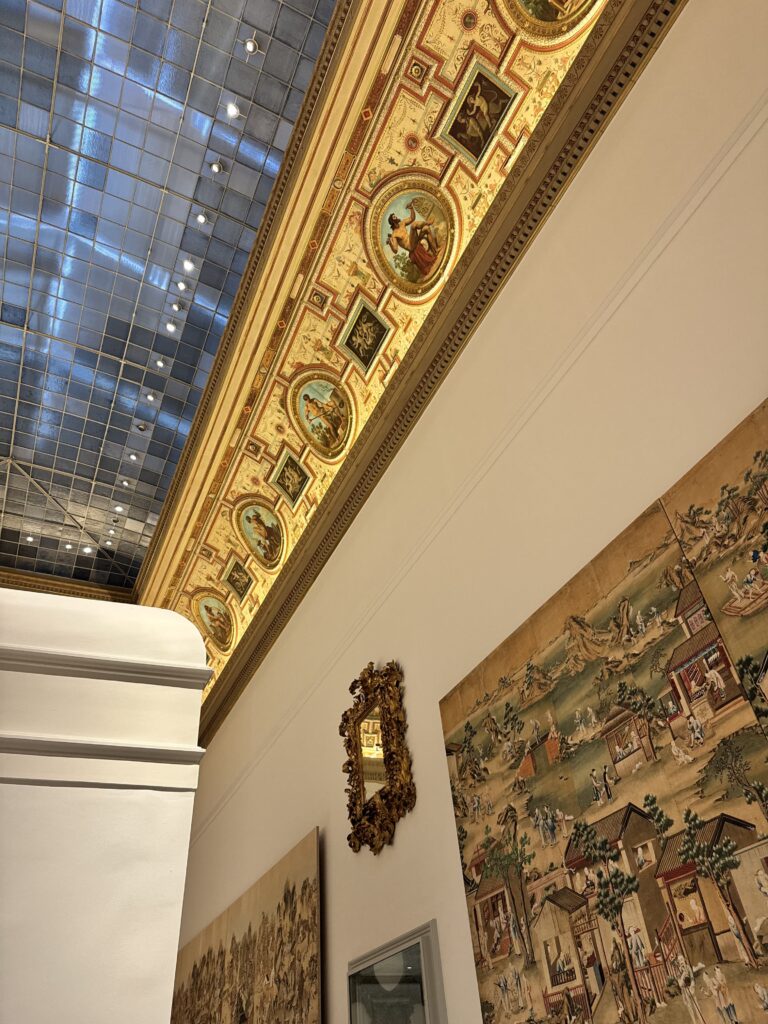
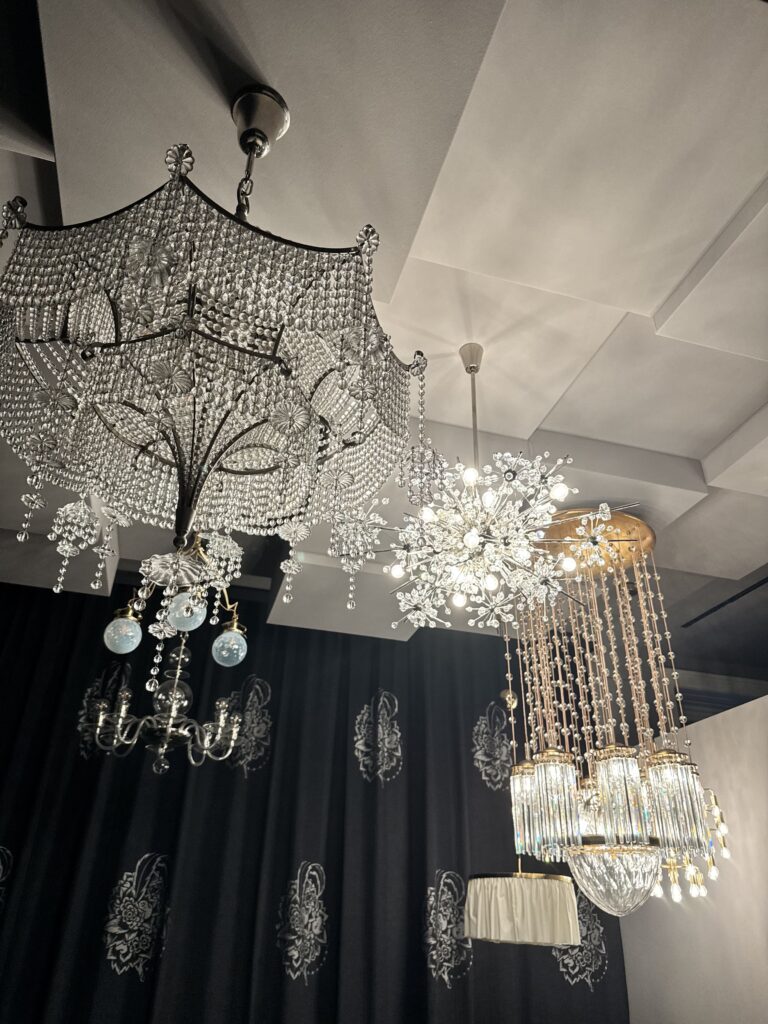
I must confess: for me, this was one of the most impressive moments of the entire visit. The architecture of the MAK is not something you simply glance at in passing. The soaring spaces, the historical details, and a distinct sense of spaciousness immediately create an atmosphere all their own. I love buildings where, the moment you step inside, you can tell that someone has truly put thought into their design. It’s not just four walls and a roof; it is architecture that is, in itself, a work of art.
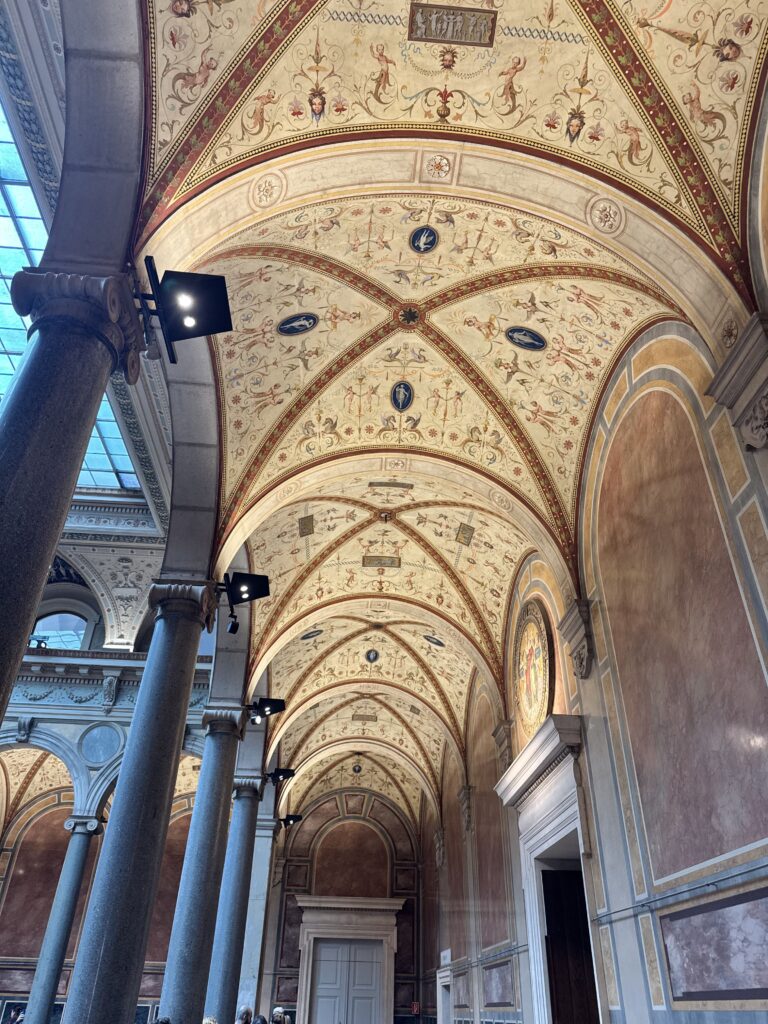
And that was precisely the case here. While others might head straight for the first exhibition, I prefer to pause and look upward. The ceilings, the arches, the proportions—all of these things usually interest me at least as much as the objects on display. Perhaps even a little bit more.
Every Room Tells
a Different Kind of Story
After we had spent plenty of time admiring the entrance hall, our actual tour began.
What I particularly liked about the MAK was the layout of the various exhibition areas. You move from room to room, discovering completely different styles along the way. In my opinion, the museum is pleasantly manageable in size. At no point did I feel like we had to trudge through endless corridors. Quite the opposite, in fact. We managed to visit every single room, and we were able to take our time doing so. That’s exactly how I like museum visits to be—not rushing from one artwork to the next, but simply seeing what resonates with you personally.
Some areas were modern and experimental, while others were historical and incredibly detailed. And I find that contrast particularly interesting.
Even if a particular style isn’t to my taste at all, I still enjoy looking at it. After all, art doesn’t have to align with my personal preferences to be compelling. That said, I do have a fairly clear inclination. While others might stop, enthralled, before minimalist installations, I’m usually drawn to spaces featuring large mirrors, ornate wall paneling, and elaborate ceilings.
I am, quite simply, hopelessly in love with historical elegance. And, fortunately, this museum visit had plenty of that to offer.
Contemporary Art
Is Interesting, But Not My Love
Naturally, contemporary art had to be included as well.
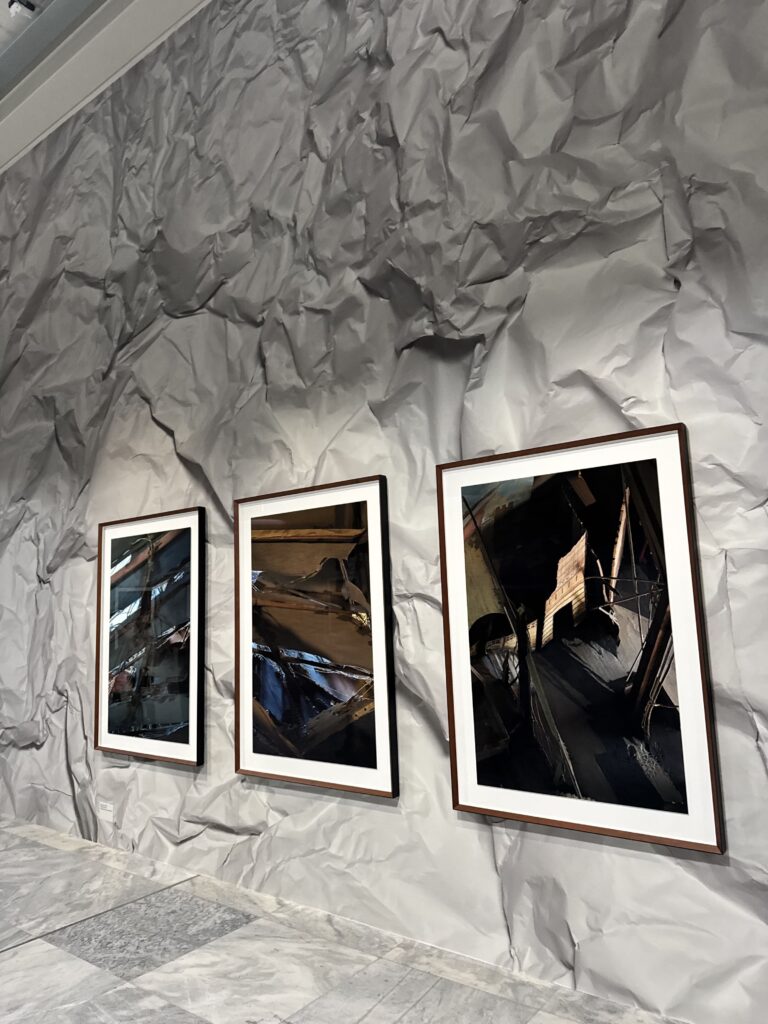
And I’ll say it right now: contemporary art and I are unlikely to ever have a great love affair. Don’t get me wrong—I find it fascinating how differently people interpret art and the ideas that lie behind certain works. Modern design, in particular, can be incredibly creative.
But, personally, I usually need something more. More detail, more history, more atmosphere. I like it when a space creates a specific effect through its very furnishings—when materials, colors, and shapes harmonize, giving you the feeling that you’ve stepped into another era. With modern art, I sometimes find that this connection is exactly what’s missing.
Nevertheless, my husband and I took a look at these areas, too. It was actually quite entertaining to talk together about what we liked—and what we would never, ever put in our own home. That, for me, is exactly what makes such outings so lovely. You don’t just discover new things; you suddenly find yourself having conversations about topics you’d likely never even think about in your day-to-day life. And sometimes, you realize that your tastes are surprisingly well-aligned.
At the very least, we were in quick agreement about a few of the modern pieces on display. Nice that they exist, sure—but in our own home? Probably not.
My Favorite Room Was
Made for Another Century
And then we came to an area that immediately made my heart beat a little faster.
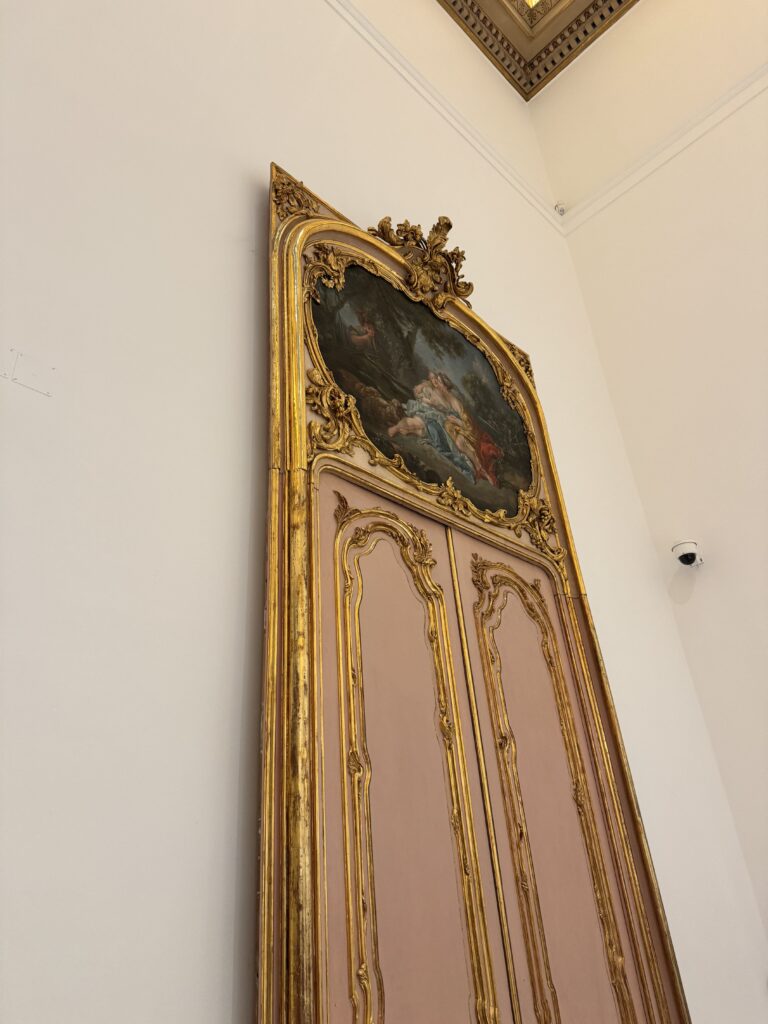
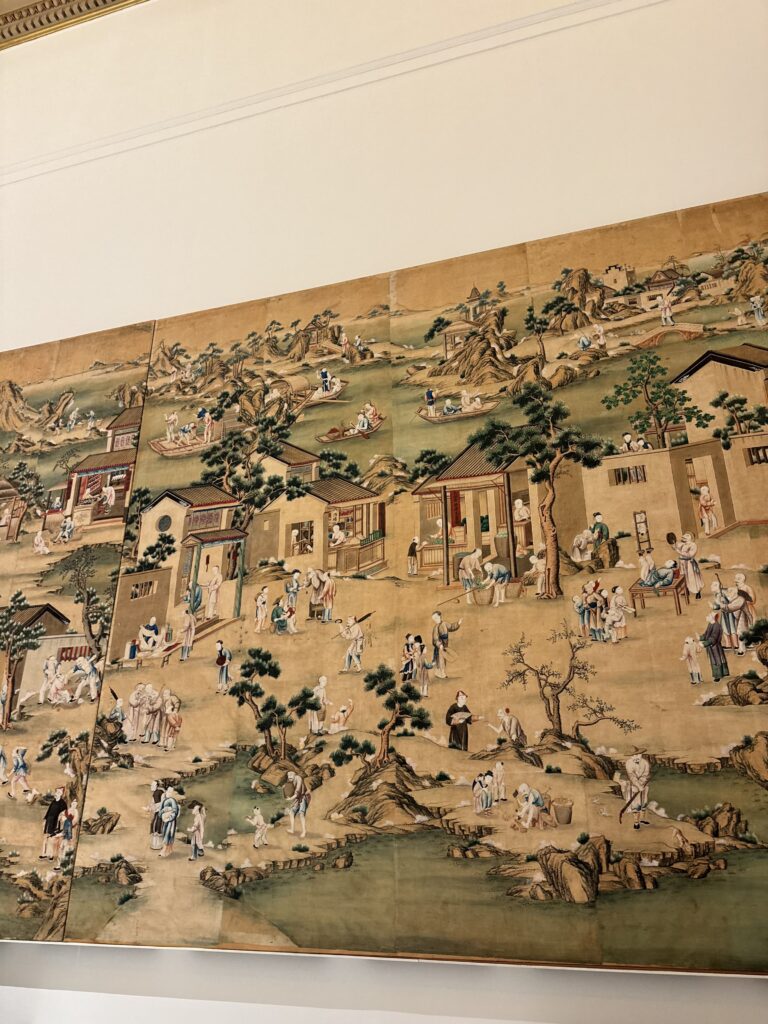
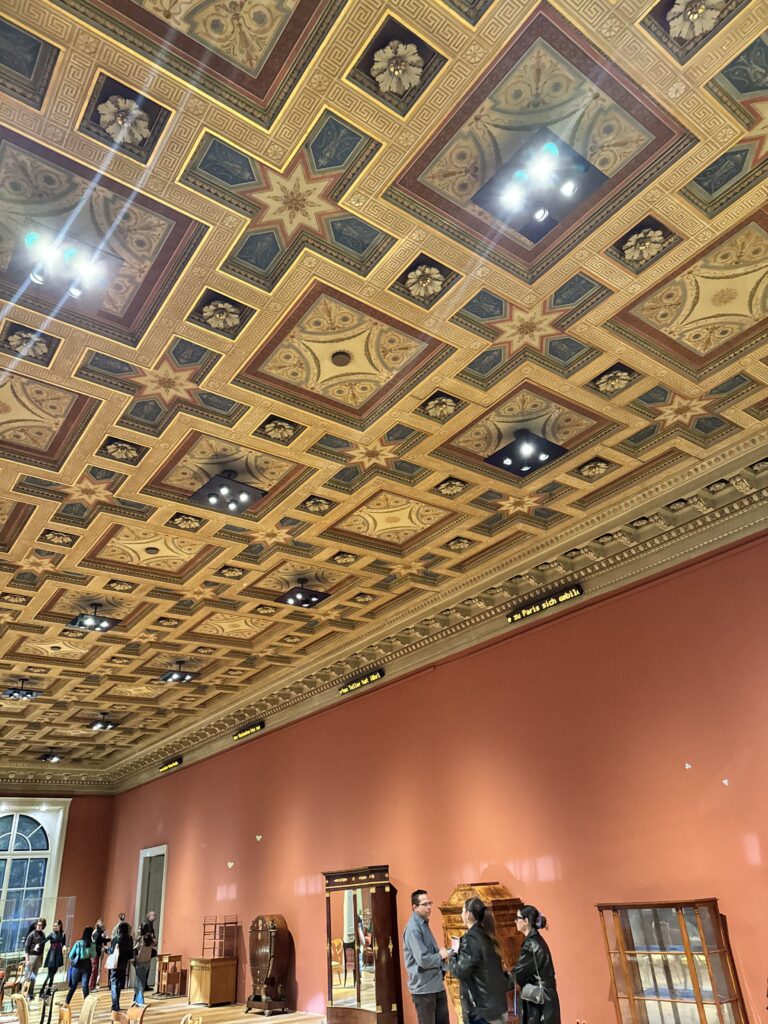
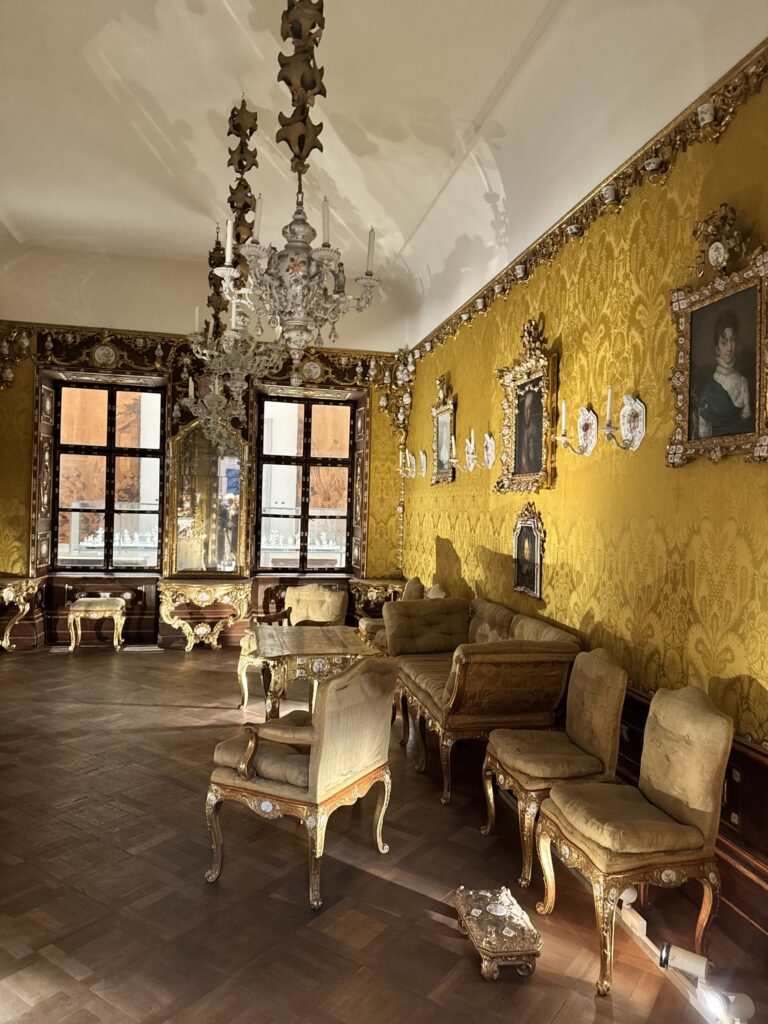
A beautiful, historic hall—one I’d love to simply call my beloved ballroom. Large mirrors, elegant wall treatments, exquisite wallpaper, and that incredible decorative plasterwork on the ceiling. Exactly my taste. I could easily have spent half an hour just taking in all the individual details. What always fascinates me about rooms like this is the incredible craftsmanship. Every ornament feels deliberately placed; every surface tells a story about the taste and aesthetics of its era. And, naturally, my imagination immediately begins to run wild.
I imagine people from the past, dressed in elegant gowns and tailored suits, walking through rooms like these—conversations taking place, guests being welcomed, and the social conventions that were simply taken for granted back then. Perhaps I romanticize these bygone eras a bit too much at times. Okay, probably quite a lot, actually. But I can’t help it. For me, historical spaces possess an aura that modern architecture rarely achieves. In any case, this particular hall at the MAK was my personal highlight. And while other visitors might have been focusing their attention on the furniture or art objects on display, I, once again, found myself preoccupied primarily with the walls and the ceiling.
After all, one has to set priorities.
Upstairs, Vienna Around 1900
Completely Stole My Attention
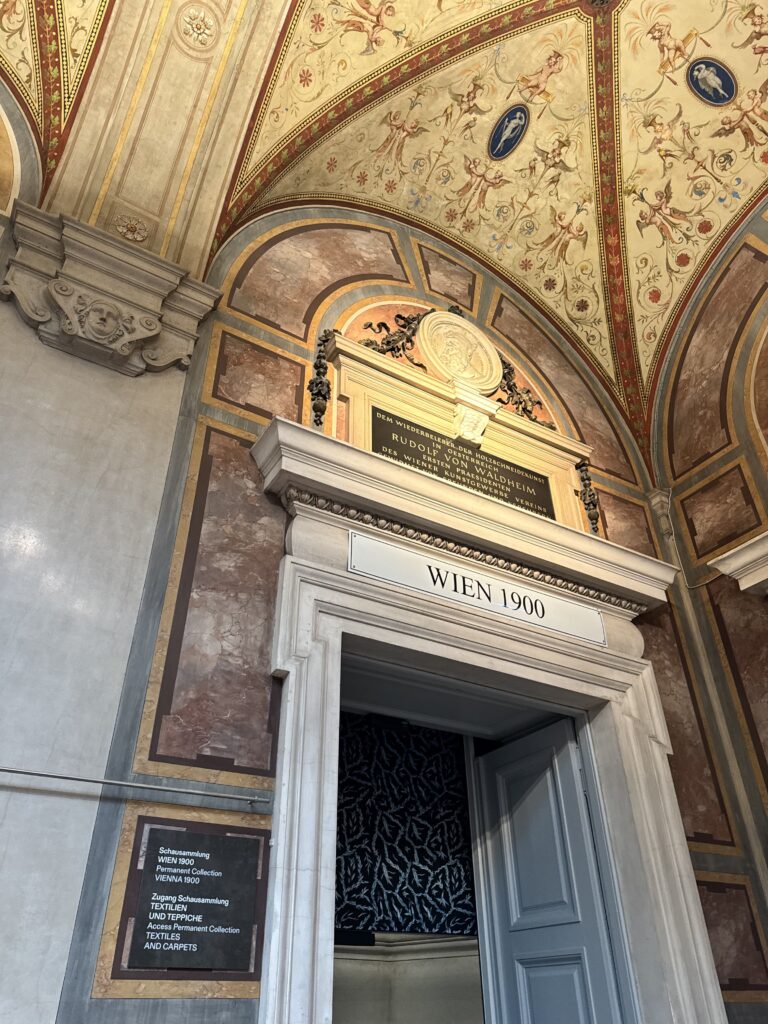
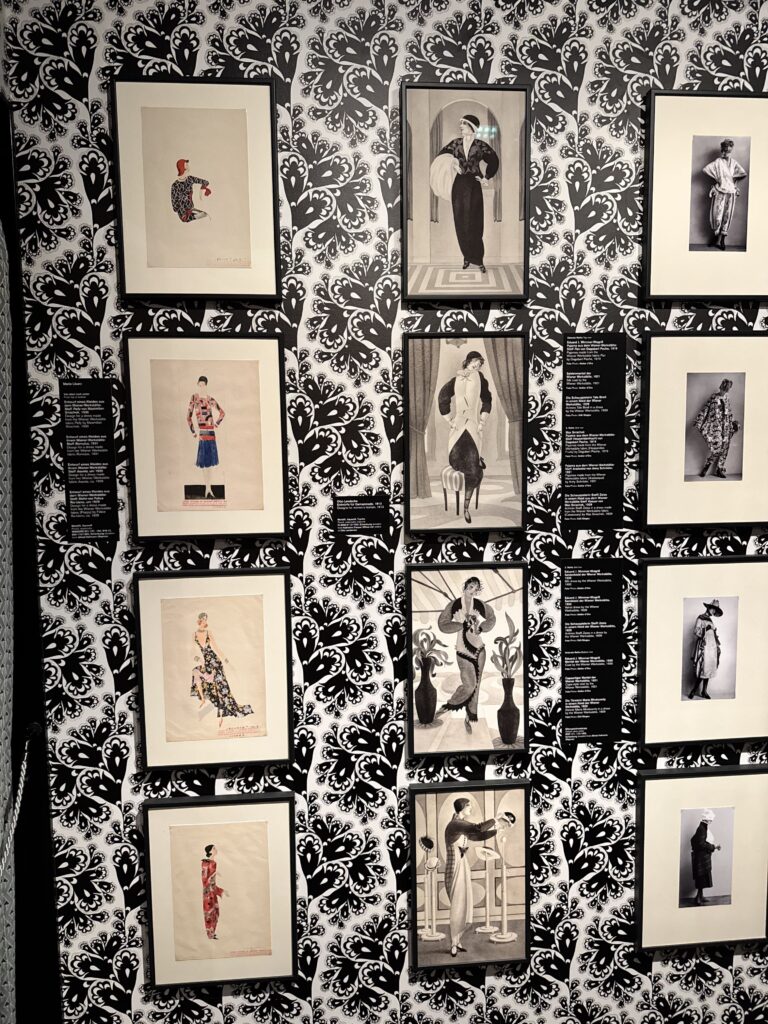
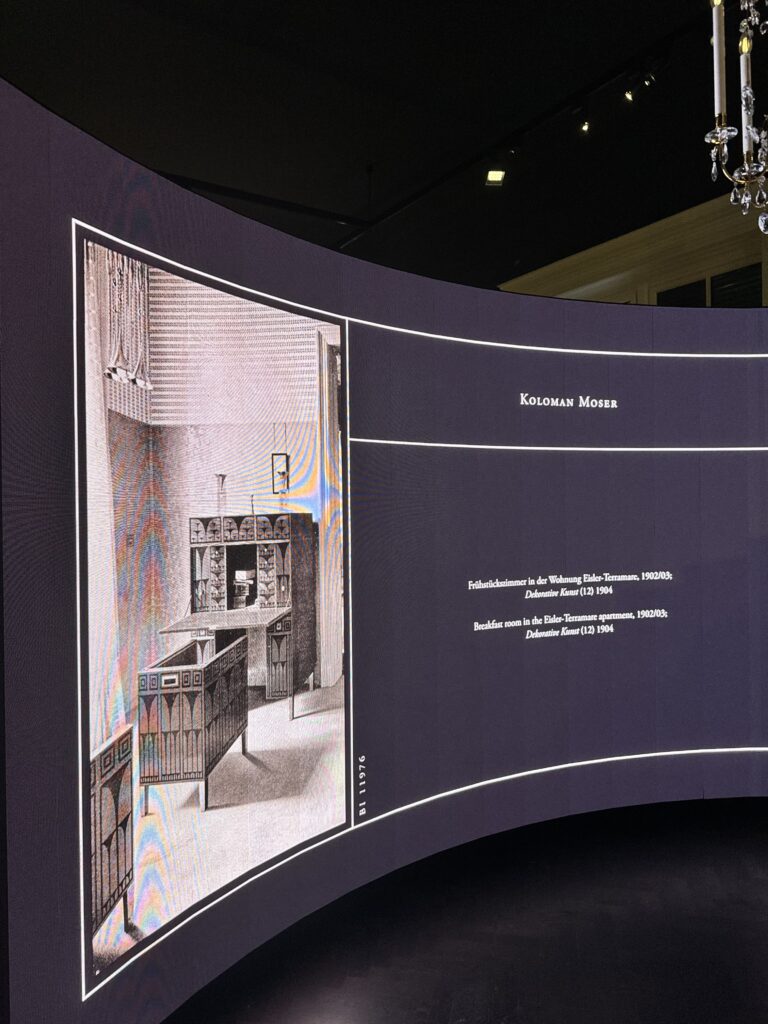
Upstairs, there was another section that particularly interested me: the exhibition focused on Vienna around 1900.
I find this period incredibly fascinating. The transition from the 19th to the 20th century brought not only social changes but also an entirely new conception of art, architecture, and interior design. Suddenly, traditional design concepts were being called into question. New forms emerged, and design increasingly evolved into a distinct expression of personality and the spirit of the age.
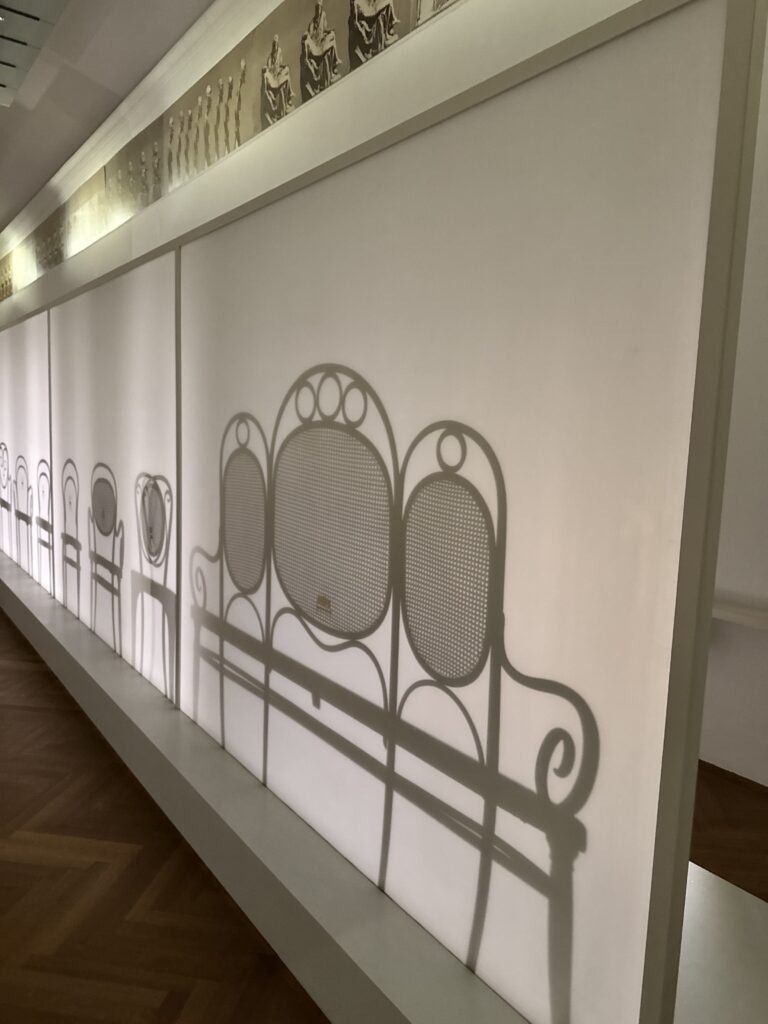
I found the furnishings and pieces of furniture from this era especially captivating. One could see the great variety in how rooms were designed back then, and the immense attention paid even to everyday objects. An armchair, after all, was not just an armchair.
It could be an expression of an entire artistic movement.
And that is precisely what I find so interesting. Because interior design reveals a great deal about the people who live in such spaces, as well as the society from which they originate. Of course, not every piece of furniture was necessarily a personal favorite of mine; some designs were a bit too minimalist for my taste. Yet, it was precisely this blend of historical elegance and the emergence of truly modern design concepts that made this section so worth seeing. The MAK does a wonderful job of demonstrating how the tastes of an entire era can evolve. And I love being able to see such developments unfold right before my eyes, rather than just reading about them in books.
We Skipped the Crafts
and Followed Our Curiosity
Naturally, there were also areas intended for children and creative activities. And yes, we skipped those. Hahaha.
It’s not that I have anything against arts and crafts—it’s just that my husband and I were clearly more in the mood for architecture, art, and historical sites that day. Still, I think it’s great that museums offer things like that. For families in particular, it’s a wonderful way to introduce children to art in a playful manner. After all, not every child wants to stand in front of a piece of antique furniture for hours, contemplating its design. Though, as a child, I probably would have been the type to prefer admiring a magnificent hall over cutting things out of paper.
Some things just never change. In any case, we moved on and managed to see everything that truly interested us.
For me, the beauty of a visit like this is that there is no right or wrong way to go about it.
You don’t have to understand every single work of art. You don’t have to read every explanatory text. And you certainly don’t have to pretend to like something just because it’s considered culturally significant. You are free to simply be curious. And, in my opinion, it is precisely this attitude that makes a museum visit most enjoyable.
Downstairs, Things Got
a Little Too Modern
To wrap things up, we headed down to the basement.
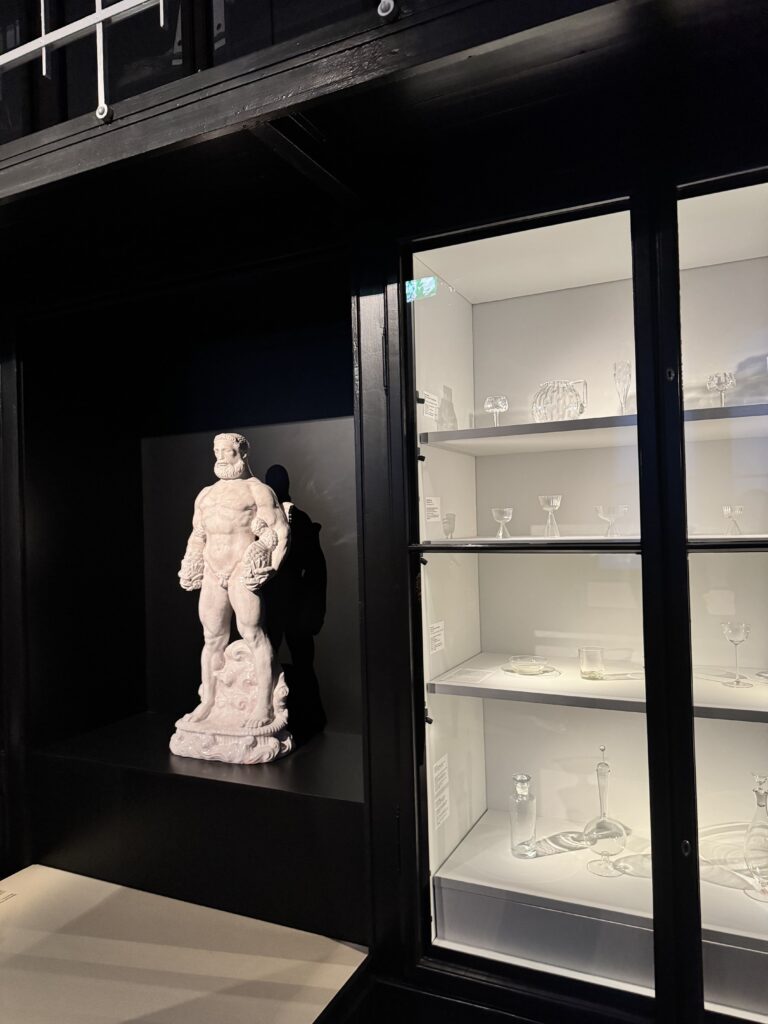
There, a much more modern and abstract exhibition space awaited us. And let’s just say: the contrast with my beloved historic hall could hardly have been greater. Suddenly, it was no longer about opulent details, elegant furnishings, or ornate ceilings, but rather about entirely different forms of design. At times, my husband and I couldn’t help but chuckle. Not necessarily at the art itself, but at our own reactions to it. You stand before an object, take a look, try to grasp its impact—and then realize that, personally, you simply cannot connect with it at all.
And that is perfectly okay.
In fact, I think it’s precisely these kinds of moments that make a museum visit entertaining. After all, it would be rather dull if we liked everything we saw.
In any case, we did take a look at the abstract pieces and discussed which ones we found interesting. In the end, though, we were pretty much in agreement. Luckily, my husband and I are both more inclined toward a grand, stately aesthetic than a modern one. Give us high ceilings, large mirrors, heavy curtains, and a bit of decorative molding, and we’re happy. A strictly minimalist home filled with abstract art, on the other hand, probably wouldn’t be for us. But then again, who knows? Perhaps our tastes will evolve further down the line.
Though, to be honest, I have my doubts.
Why This Museum Deserves
More Attention Than It Gets
After our tour, one thought kept coming to mind: why isn’t this museum talked about much more often?
When you think of the major cultural landmarks in Vienna, places like the Albertina, the Kunsthistorisches Museum, or Schönbrunn Palace are usually the first to come to mind. They are all wonderful spots, no question about it. But that is precisely why I believe it’s important to discover the less obvious highlights as well. For me, the MAK is definitely one of them.
It’s not that everything there suits my personal taste—quite the opposite, in fact. It’s precisely the variety of styles that makes a visit so engaging.
You get a glimpse into different eras, discover unique interior designs, and see just how diverse applied arts can be. Moreover, the building itself is a reason to stop by. What I particularly appreciate is that you don’t need to set aside an entire day for a visit. The museum fits perfectly into a relaxed afternoon—perhaps combined with a stop at a coffee house or a short stroll through the city center. These are exactly the kinds of outings I love. They’re simple, add a bit of variety to everyday life, and remind me that you don’t always have to travel far to experience something new.
Sometimes, all it takes is looking at your own city with a bit more curiosity. And when you have the chance to visit a museum for free, there’s really no reason not to take advantage of it. A quick tip: before you go, check the official website for current exhibitions, admission prices, and any free-entry offers—as these opportunities aren’t always available.
my summary
A Little Culture, a Lot of Charm
Our visit to the MAK was exactly the kind of outing I enjoy most. Uncomplicated, interesting, and offering a great blend of architecture, history, and art. Naturally, I didn’t like every single exhibition equally—but then again, I don’t have to. My personal highlight was definitely the historic hall, with its beautiful mirrors, elaborate wall decorations, and impressive stucco work. A close second was the exhibition on Vienna around 1900, which once again showed me just how fascinating the evolution of design and interior décor can be.
And yes, the modern and abstract art had its own entertainment value, too. At the very least, it confirmed—once again—that my husband and I would both much rather live in a small *palais* than in an ultra-modern loft. After all, there’s no harm in dreaming.
For me, the MAK is a real hidden gem in Vienna—one I would recommend to anyone who enjoys discovering beautiful buildings and has an interest in art, architecture, or interior design. And that, to my mind, is one of the greatest advantages of this city: you can live here for years and still keep discovering something new. Sometimes, you don’t even need a plane ticket, an elaborate plan, or a lot of money to do so. Just a bit of curiosity.
And perhaps someone by your side who enjoys discussing ornate ceilings just as much as you do.