A Play of Colors *Farbenspiel* at the Wien Museum – A Journey Through Four Centuries of Fashion History
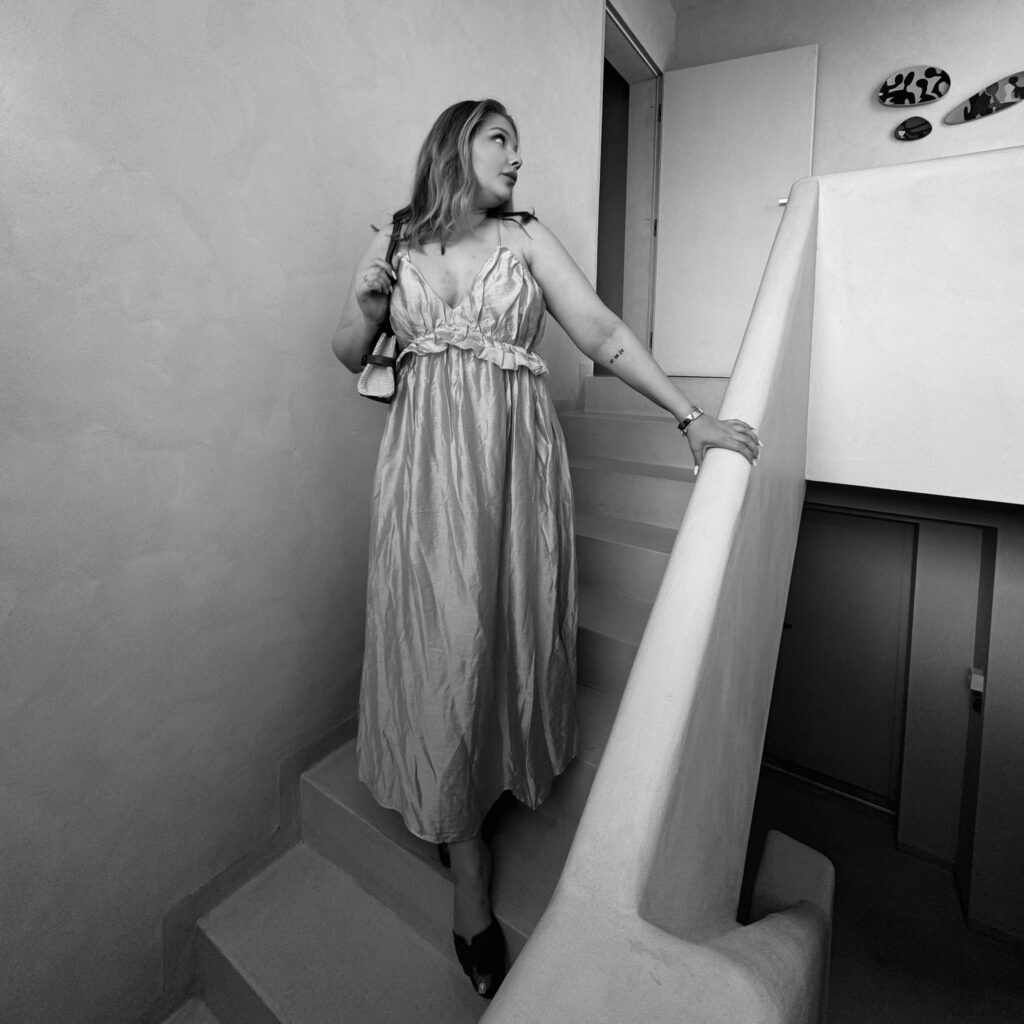
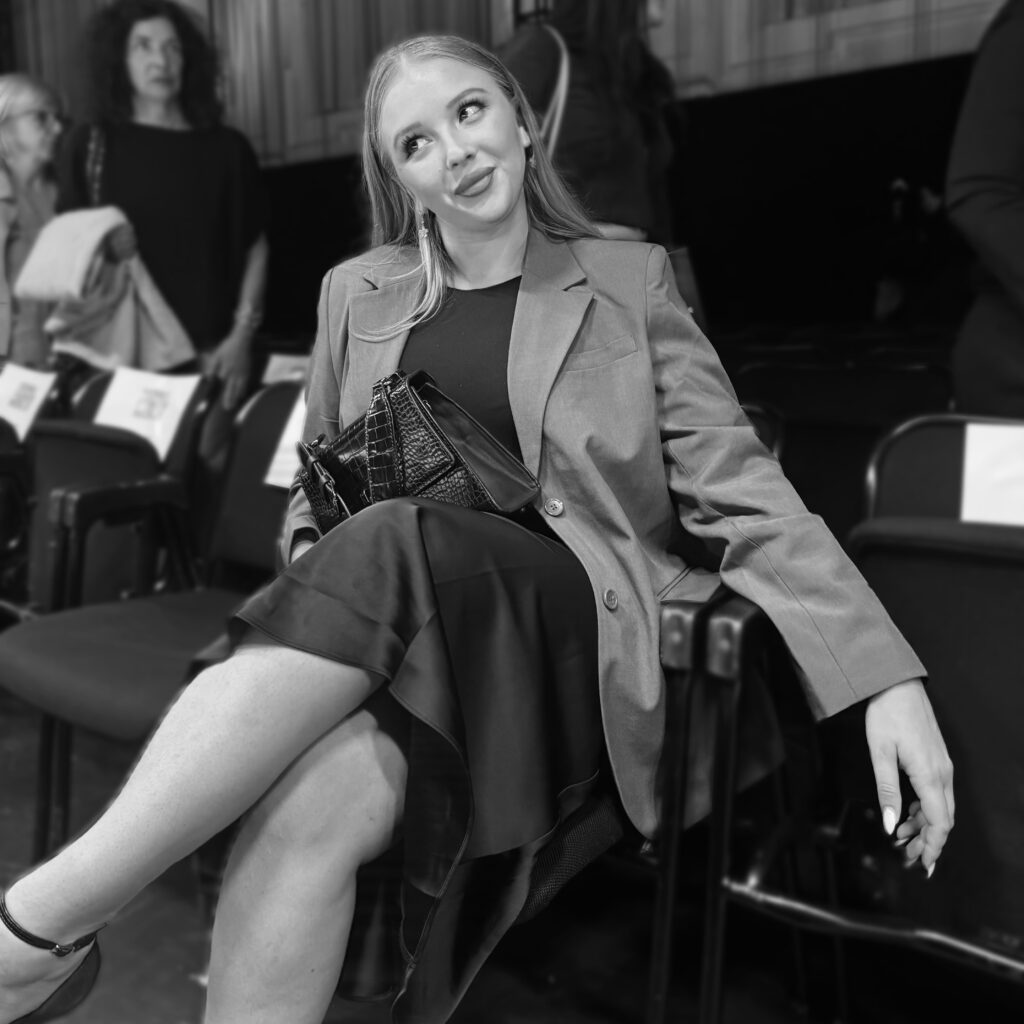
For me, fashion is so much more than just clothing. It is an expression of personality, individuality, and—at times—a little bit of drama. Those who know me are aware that I love fashion. I enjoy talking about it, keeping up with new trends, and, over the years, I have developed a style all my own. It is elegant, feminine, and occasionally a touch extravagant, yet always carries a personal signature. Because I realized long ago that you don’t have to follow every trend to be well-dressed.
What fascinates me most about fashion is its history. Every era has had its own ideas about beauty, elegance, and social status. Things that were once considered the height of luxury might be items no one would choose to wear today—and conversely, there are garments worn a hundred years ago that would look just as stylish today.
That is precisely why I really wanted to see the *Farbenspiel* (Play of Colors) exhibition at the Wien Museum. Four centuries of fashion history, told through colors, fabrics, and extraordinary garments. Sounds like my kind of thing, doesn’t it?
A Museum
Worth Coming Back To
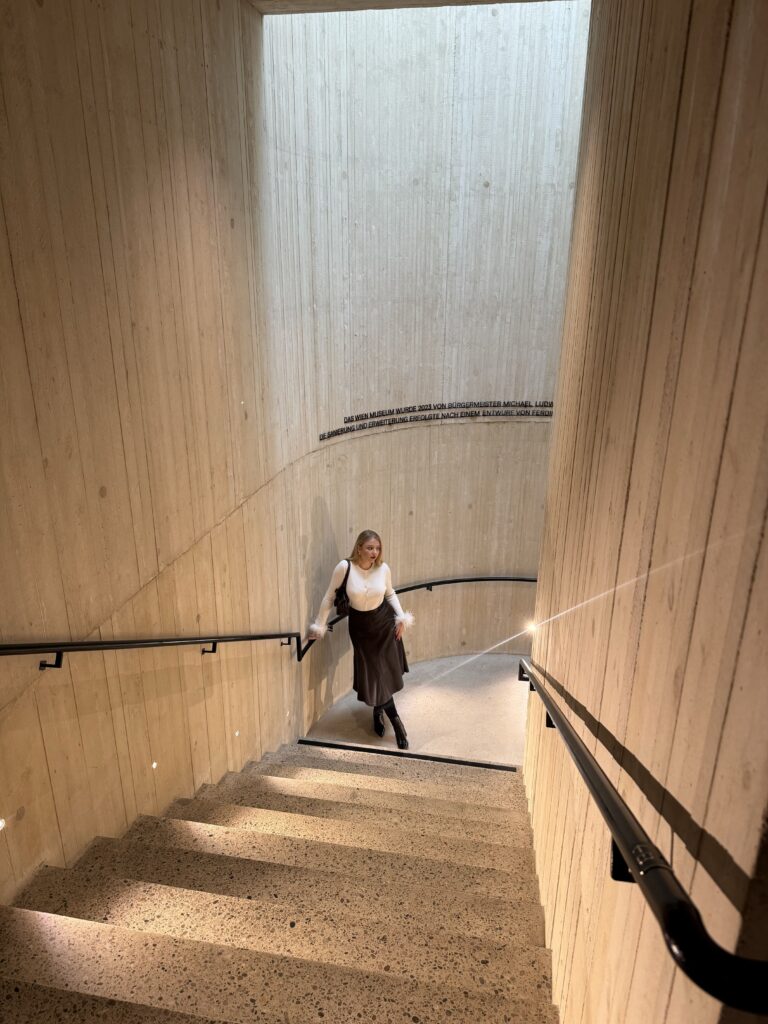
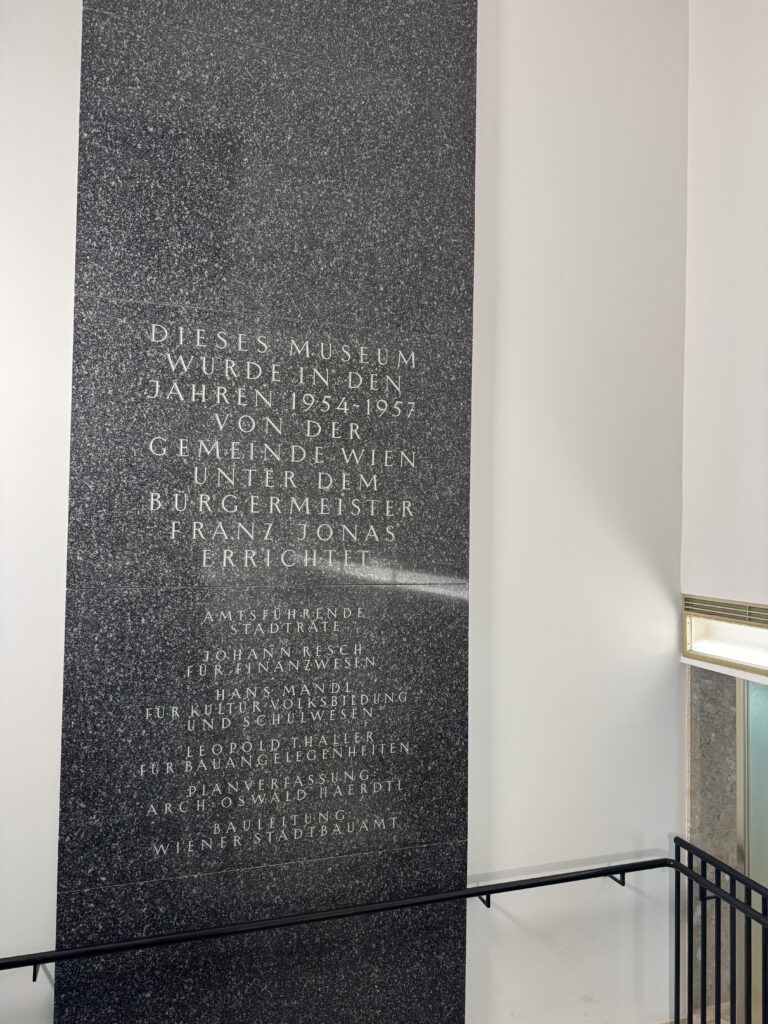
For me, the Wien Museum has become one of those places in the city that are well worth visiting more than once—not just for its exhibitions, but also for the successful way it blends history with modern architecture. I have already covered the museum in greater detail during a previous visit. If you would like to learn more about the building, its history, and the permanent exhibition, you can find all my impressions in my blog post.
What I find particularly appealing is that the permanent exhibition at the Wien Museum can be visited free of charge. Especially in a city like Vienna, where culture is held in such high regard, I find offerings like this incredibly valuable.
For special exhibitions—such as *Farbenspiel*—you do need a separate ticket. But more on that later; because before I immersed myself in the world of historical fashion, there was another part of the museum I was keen to explore this time around.
Vienna Looks Better
From Above
I love Vienna. The architecture, the history, the elegant facades, and that unique blend of imperial charm and modern urban life. Sometimes, you just need to view the city from a different perspective to be reminded of how truly beautiful it is.
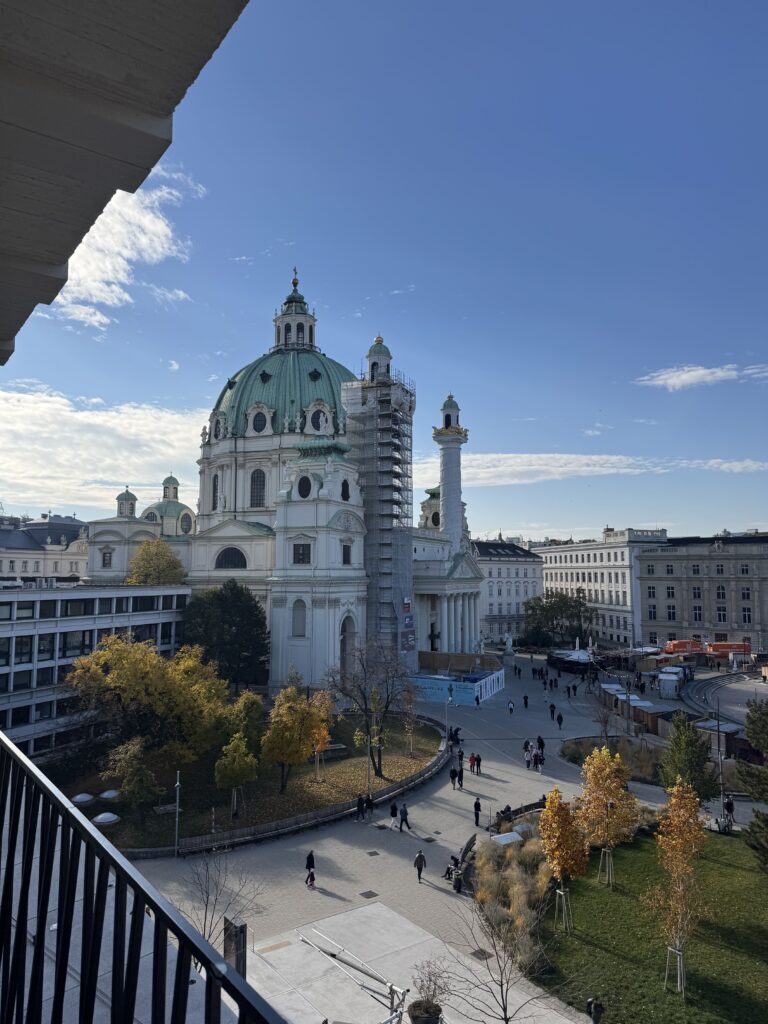
During my last visit, I skipped the rooftop terrace—this time, I was determined to make up for that. And what can I say? The view is spectacular! From the terrace of the Wien Museum, you look out over Karlsplatz and enjoy a stunning view of St. Charles’s Church (Karlskirche). It is precisely the combination of historical architecture and the modern museum building that makes this vantage point so particularly interesting.
The best part? Access to the terrace is free of charge.
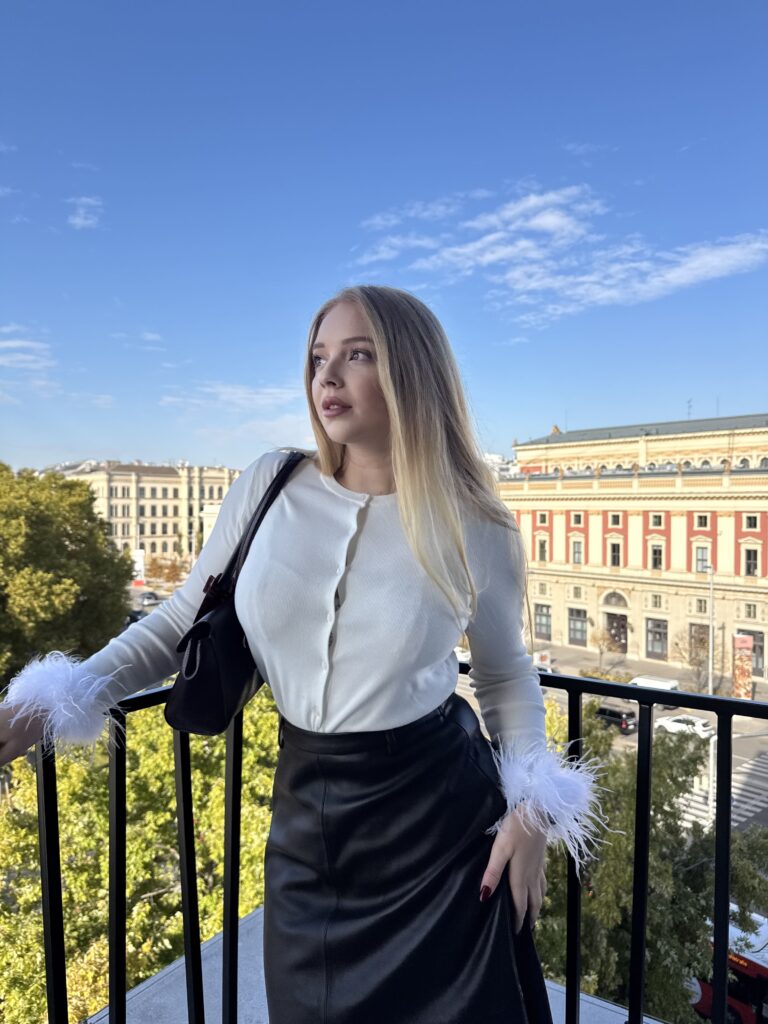
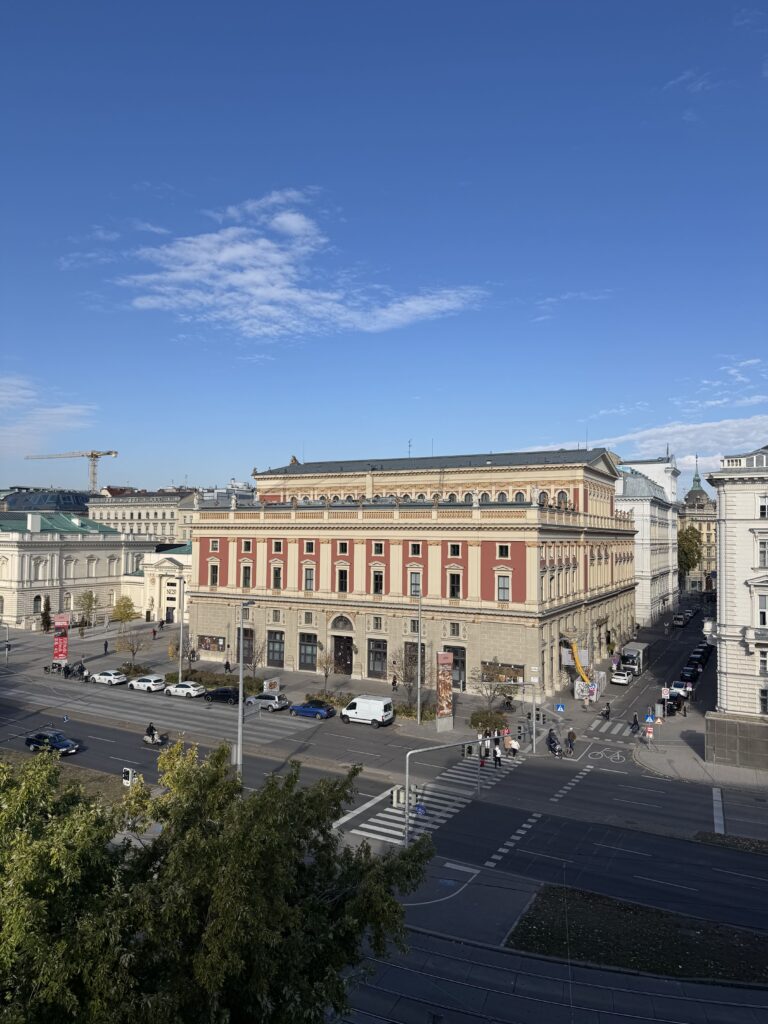
You don’t even have to visit an exhibition to enjoy this view. For me, the terrace is a truly wonderful photo spot in Vienna. Anyone who enjoys photographing architecture—or simply wants to take in a unique perspective of the city—should definitely keep this place in mind. But as beautiful as the view was, the real highlight was still waiting inside the building.
Four Centuries,
Endless Fashion Stories
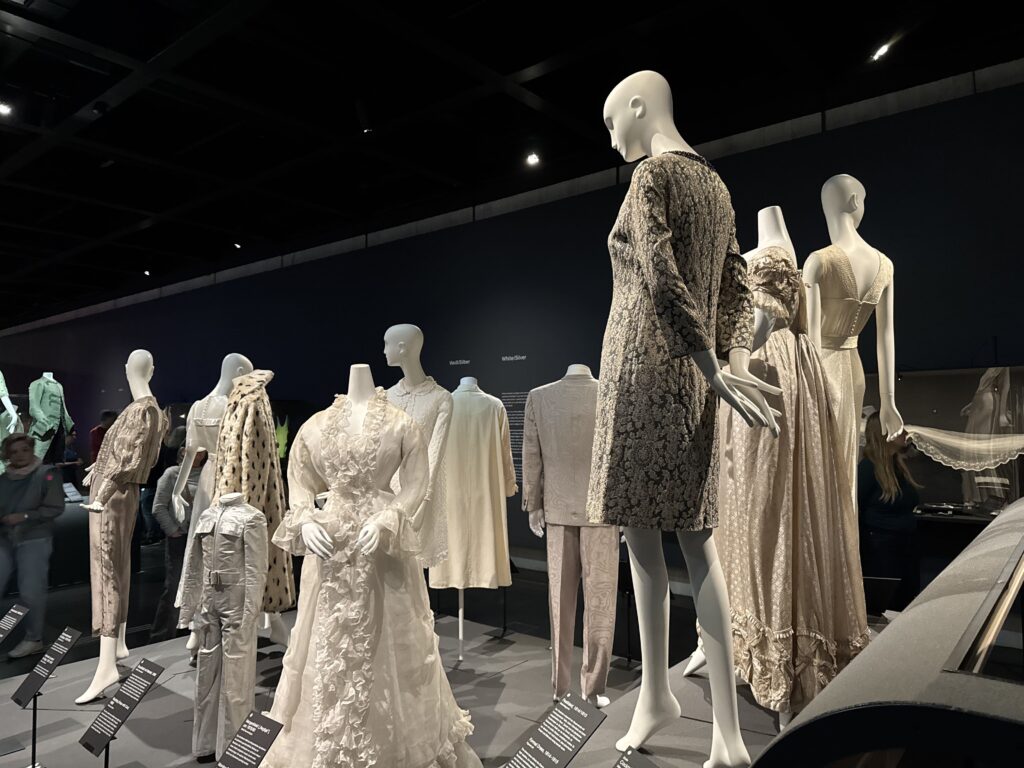
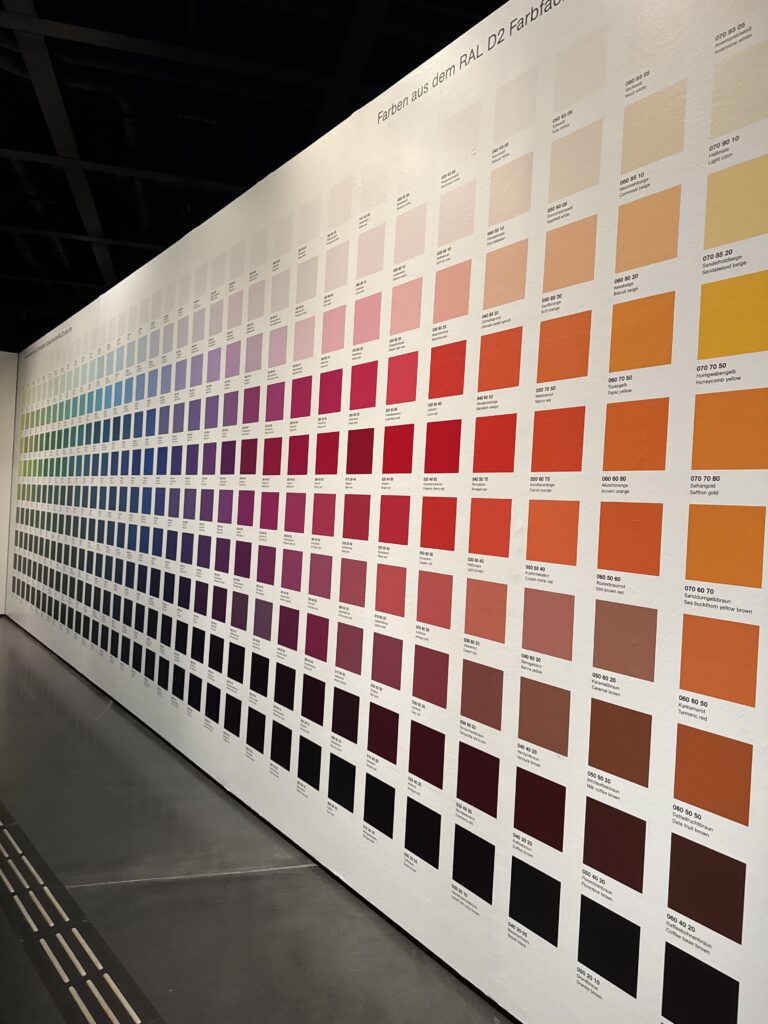
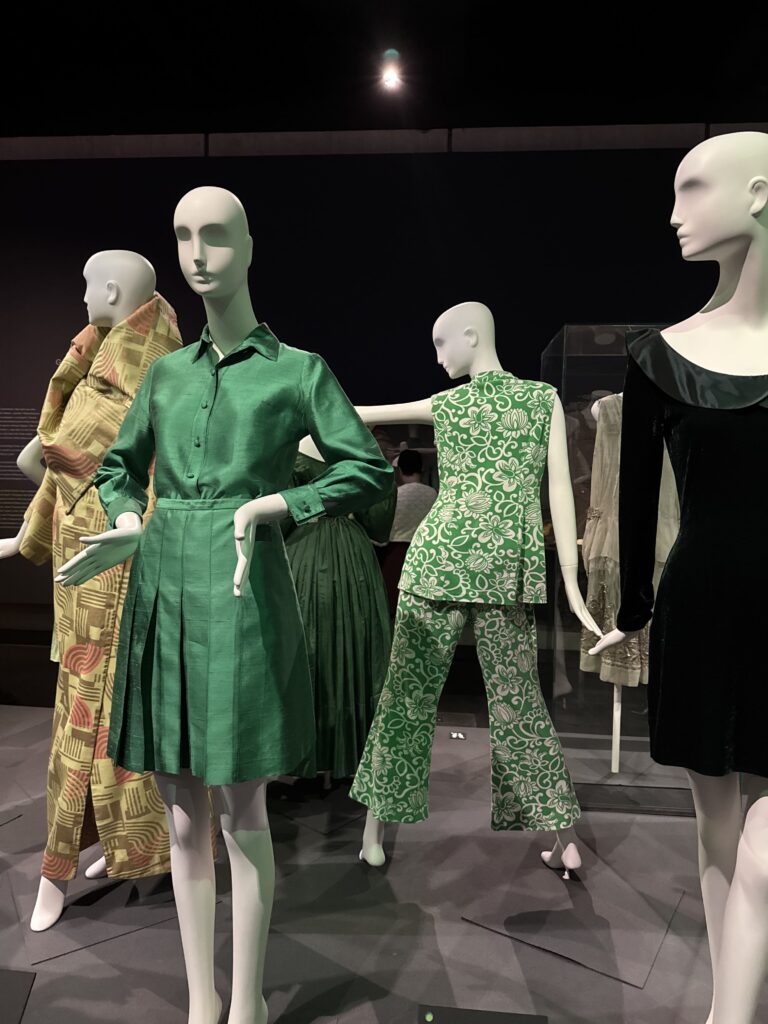
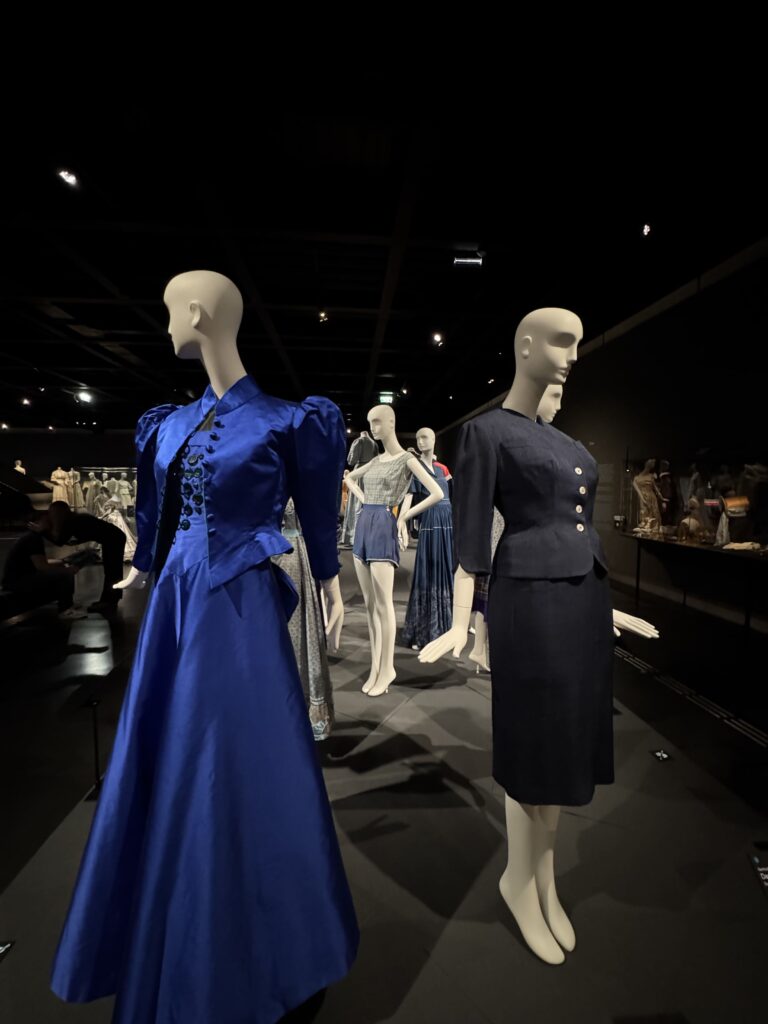
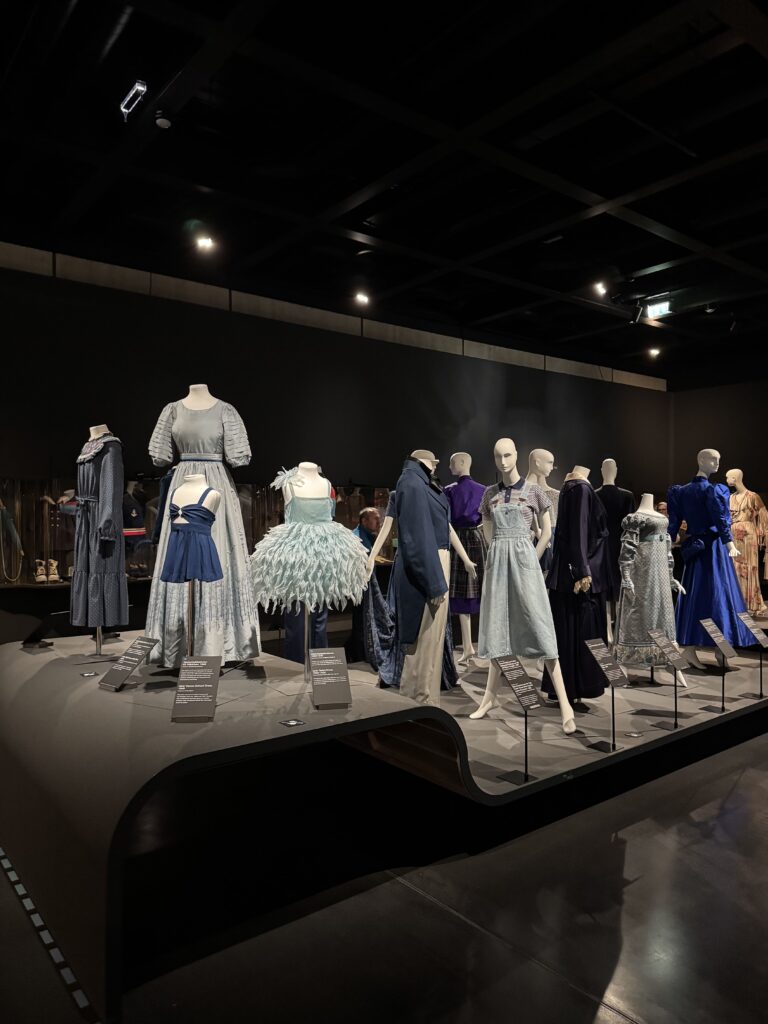
The exhibition *farbenspiel* („Play of Colors“) at the Wien Museum explores the evolution of fashion over four centuries. Rather than presenting historical garments and accessories in a simple chronological order, the exhibition links them through the lens of color.
And that is precisely what makes the concept so compelling.
Throughout the history of fashion, colors have always been more than just an aesthetic choice; they could signify wealth, power, social status, or specific ideals of femininity and elegance. In the past, certain hues were exceptionally costly to produce, making them the exclusive preserve of the affluent. Today, our choice of color is usually guided by personal preference, how well a shade complements our skin tone, or current trends. In earlier times, however, the choice of a garment could reveal a great deal more about an individual’s social standing.
What I particularly liked about *farbenspiel* was the opportunity to compare different eras directly. Suddenly, you find yourself standing before a garment that could be centuries old, yet you discover details that would fit perfectly into a contemporary collection.
And then, of course, there are those pieces that make me wonder: beautiful, yes—but how on earth did anyone actually move around in them? The exhibition at the Wien Museum succeeds in telling the history of fashion in a visually engaging way, without requiring you to be a fashion historian yourself.
A Little Red
Never Goes Unnoticed
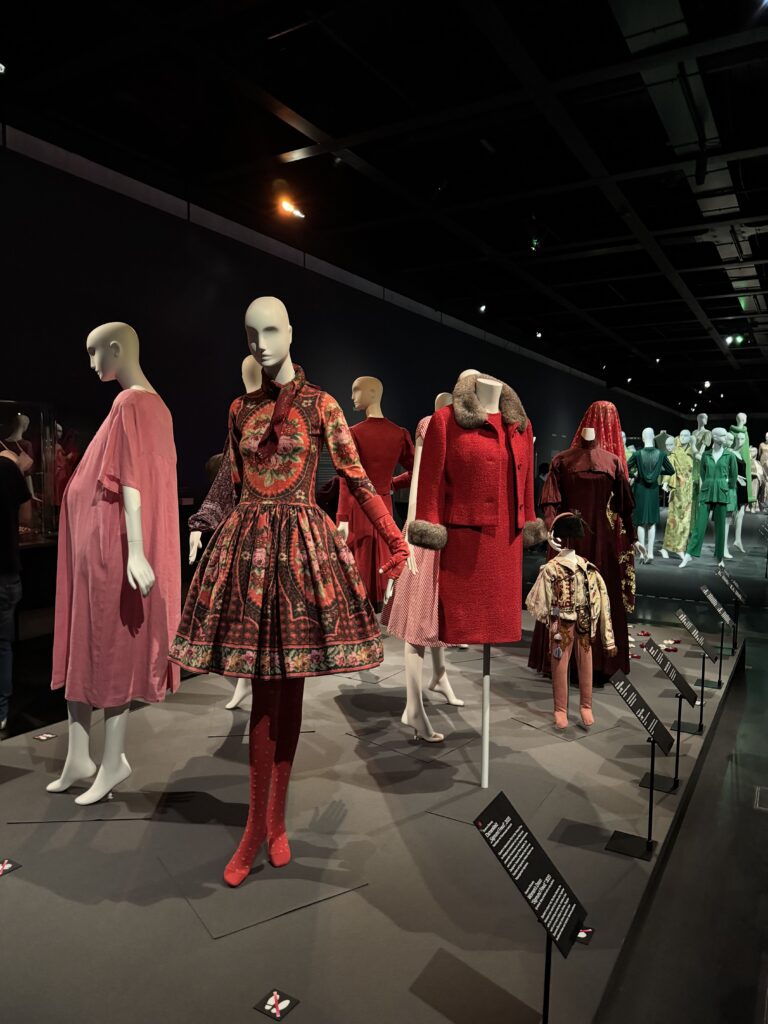
My tour through *farbenspiel* (play of colors) began with a color that is impossible to overlook: red.
And I must say, this starting point had a certain something. Red is loud, self-assured, passionate, and at times even a little provocative—a color that demands attention without ever having to ask for it. In fashion, in particular, red has a distinct impact. A red dress can be incredibly elegant, while a single red accessory is enough to give a simple outfit an entirely different aura. At the Wien Museum, this effect is made especially clear through the way the garments are presented. As you enter the space, you are immediately captivated by the intensity of the color.
Personally, I love Bordeaux and deep shades of red, especially when combined with black or brown. A bold, vibrant red, on the other hand, is a color I would use more deliberately and sparingly. Nevertheless, I found this part of the „play of colors“ (farbenspiel) incredibly well-executed—precisely because it demonstrates just how powerfully colors can influence our perception.
However, my personal favorite was yet to come.
Black, White
and Everything Timeless
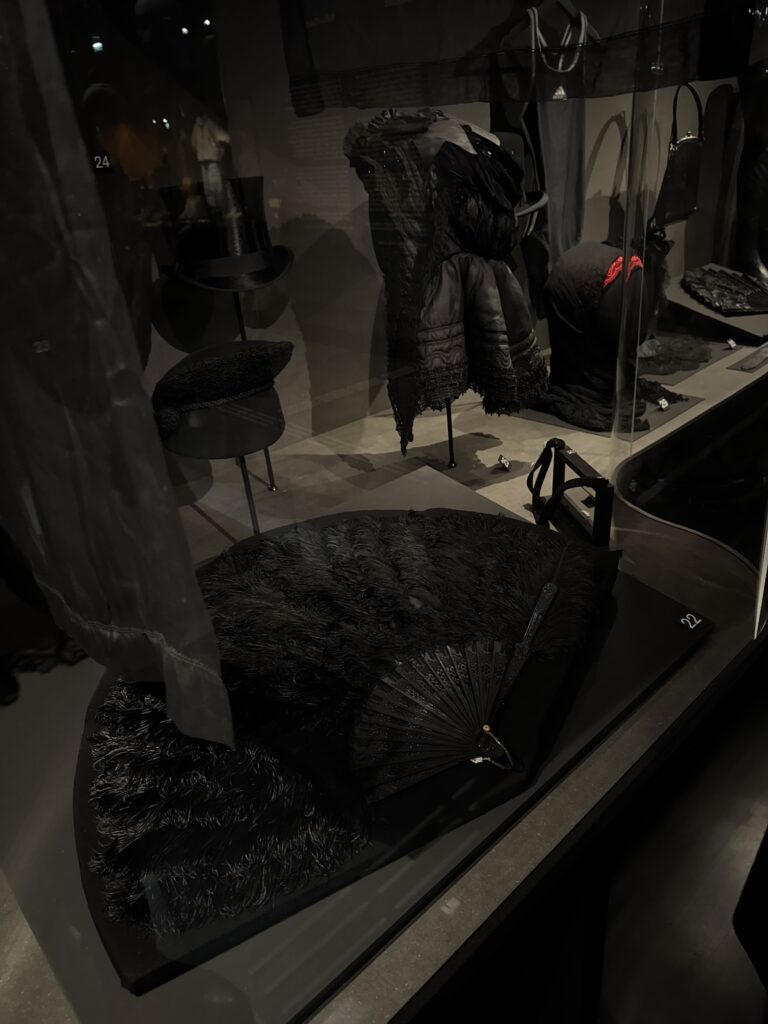
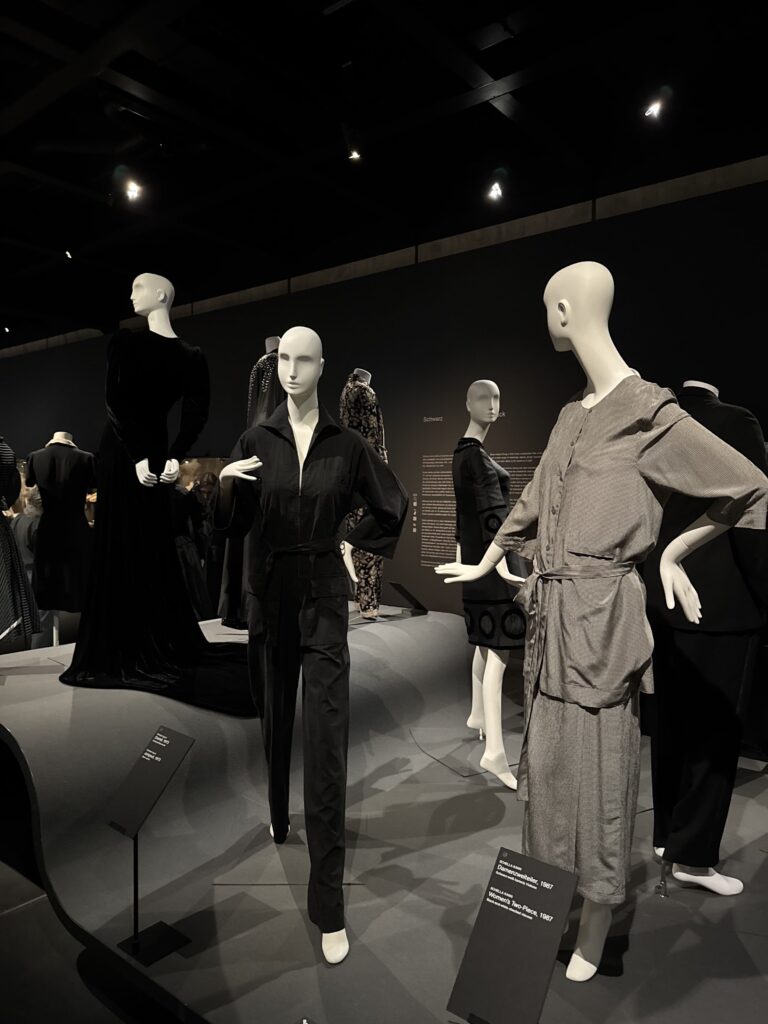
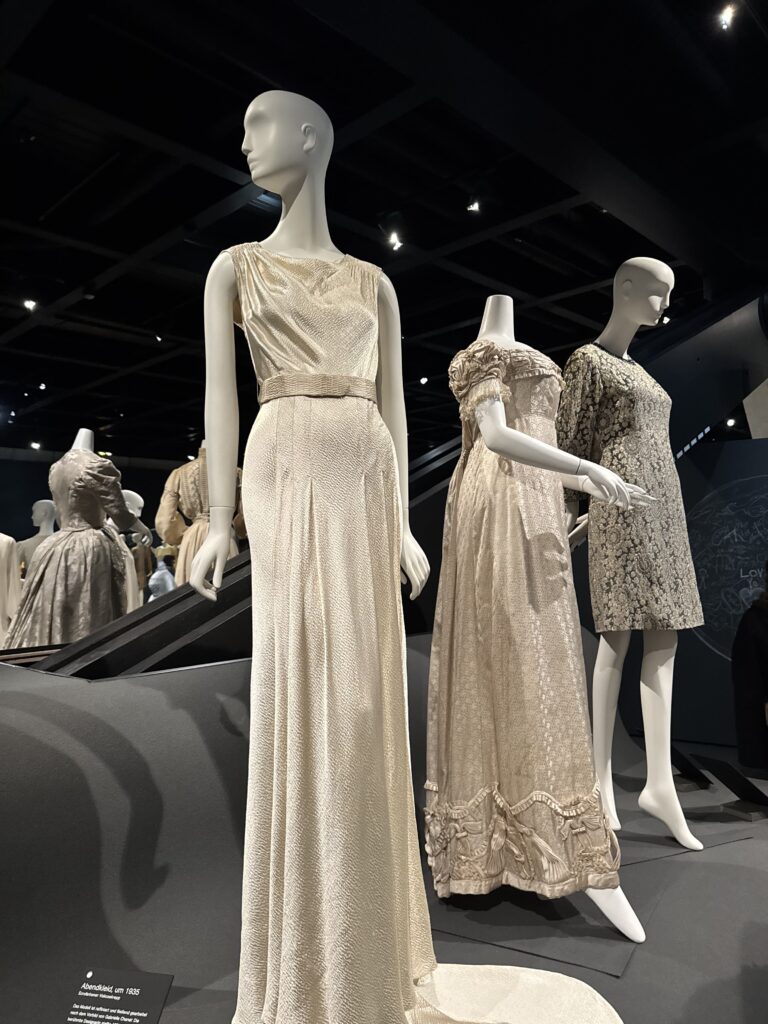
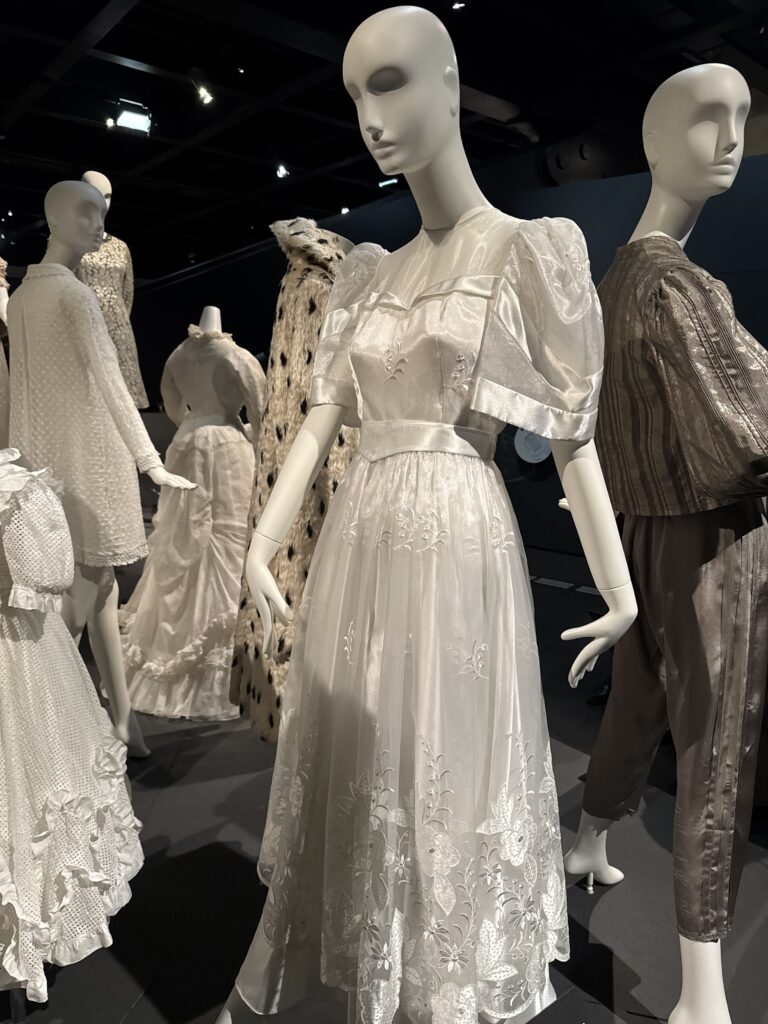
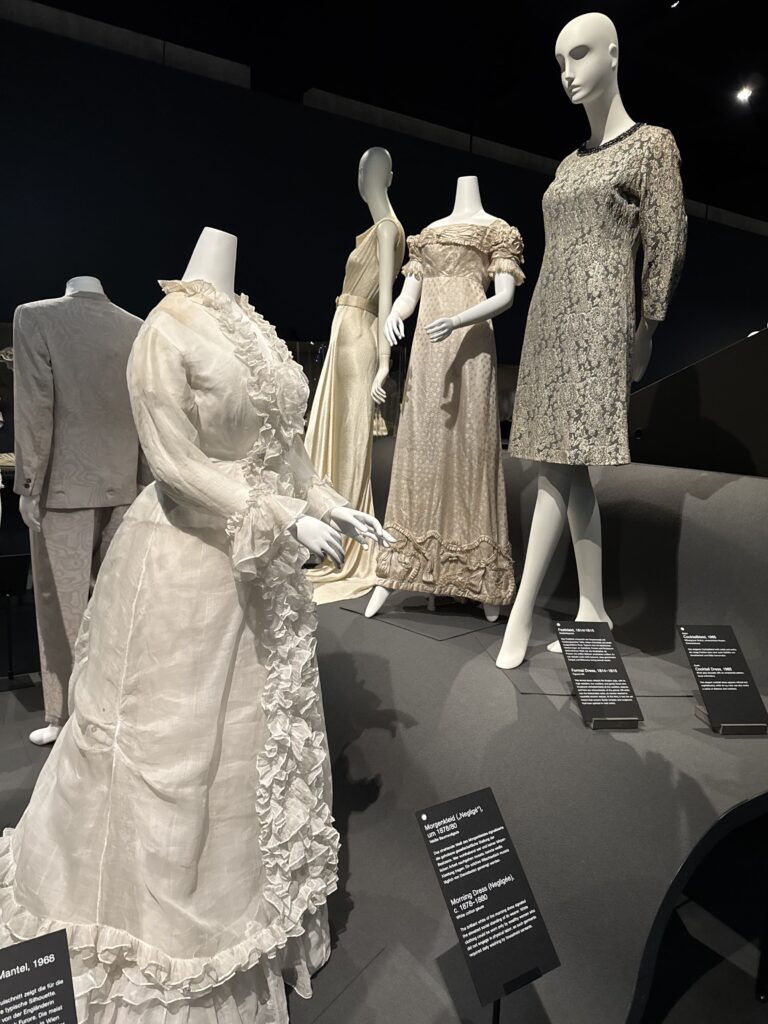
As much as I found the various colors and their stories interesting, my heart truly belongs to the classics: black and white. Perhaps I am a bit conservative in this regard, but I believe there is hardly anything more elegant than a perfectly tailored black dress or a stunning white ensemble.
And that is precisely why these two segments of the „play of colors“ were among my absolute highlights. To me, black possesses a sense of mystery, self-assurance, and incredible femininity. It can appear austere, yet at the same time, it can be deeply sensual and romantic. White, on the other hand, represents lightness, purity, and a very distinct form of elegance.
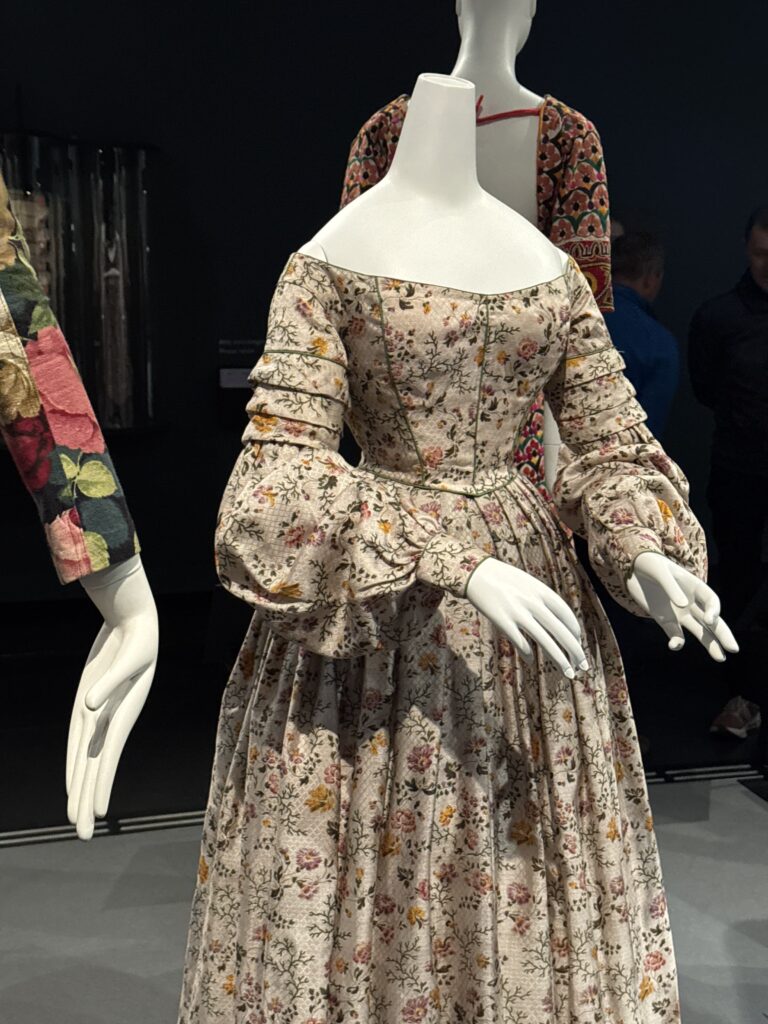
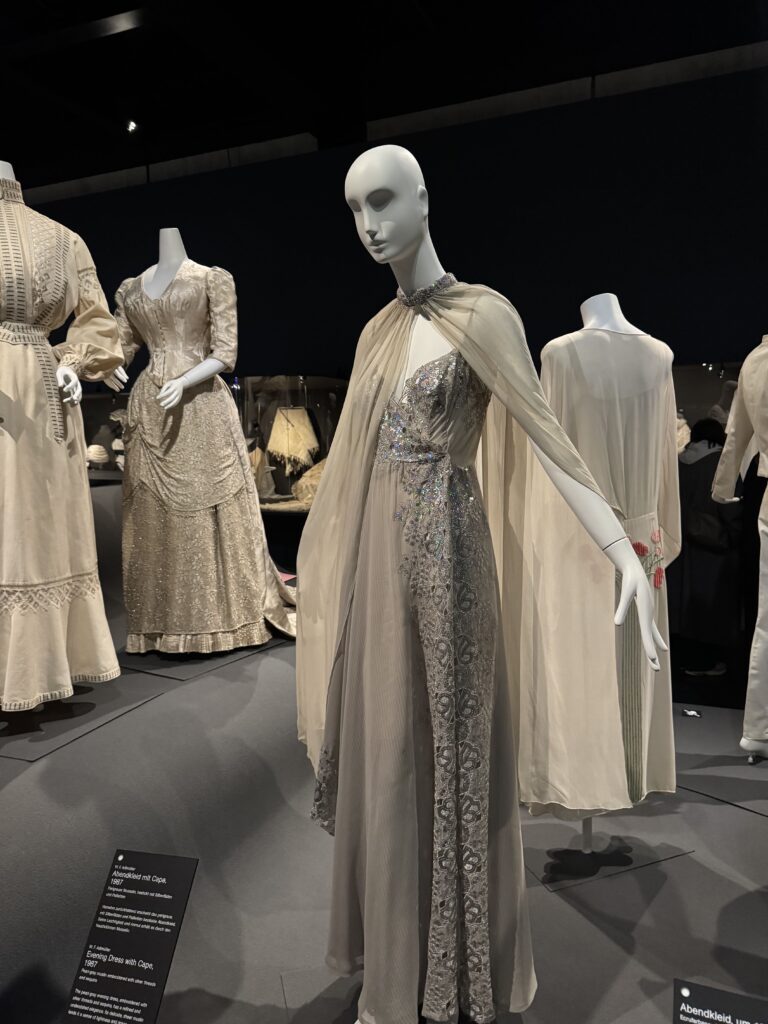
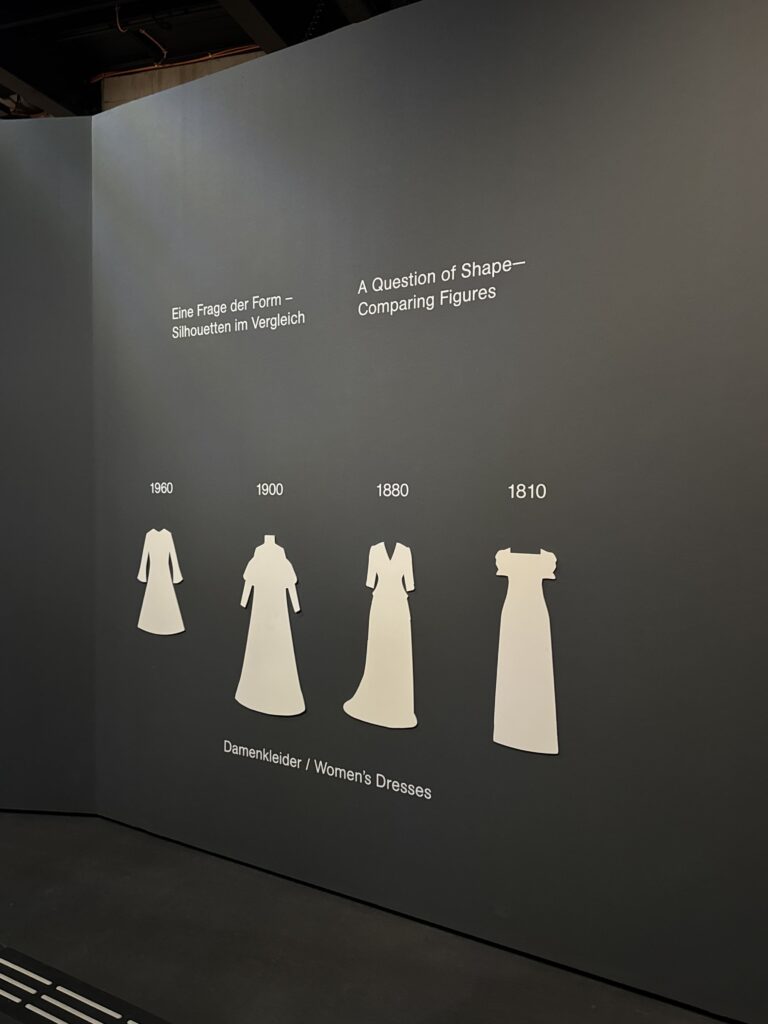
What I found particularly fascinating at the Wien Museum were the various silhouettes. Some of the garments immediately reminded me of the magnificent fashions from the era of Empress Sisi—voluminous skirts, accentuated waists, and an incredible attention to detail. Of course, I wouldn’t walk through Vienna’s city center in a dress like that today. Although… actually, why not? Vienna would certainly be the right city for it. But it wasn’t just the ostentatious gowns that captivated me; a classic pencil skirt with a matching blazer would also have found an immediate place in my own wardrobe.
And that is precisely what I find so fascinating about the history of fashion. Decades—or even centuries—may separate an Empire-style gown from an elegant tailored suit, yet both can radiate the same timeless grace.
Working on *farbenspiel* reminded me just how often fashion repeats itself. Silhouettes evolve, materials become more modern, and trends are given new names—but the underlying concept often remains the same. A well-cut blazer will never truly go out of style. The same is true for a black dress, an accentuated waist, or an elegant combination of a skirt and a blouse.
Of course, there are also trends that I’m glad are a thing of the past. Not everything deserves a comeback.
But I am convinced that personal style is far more important than any new collection. Perhaps that is also why I felt most at home in the black-and-white sections of the Wien Museum. These colors simply align with my personal taste. And sometimes, you don’t need striking colors to stand out.
Leaving My Own
Little Mark
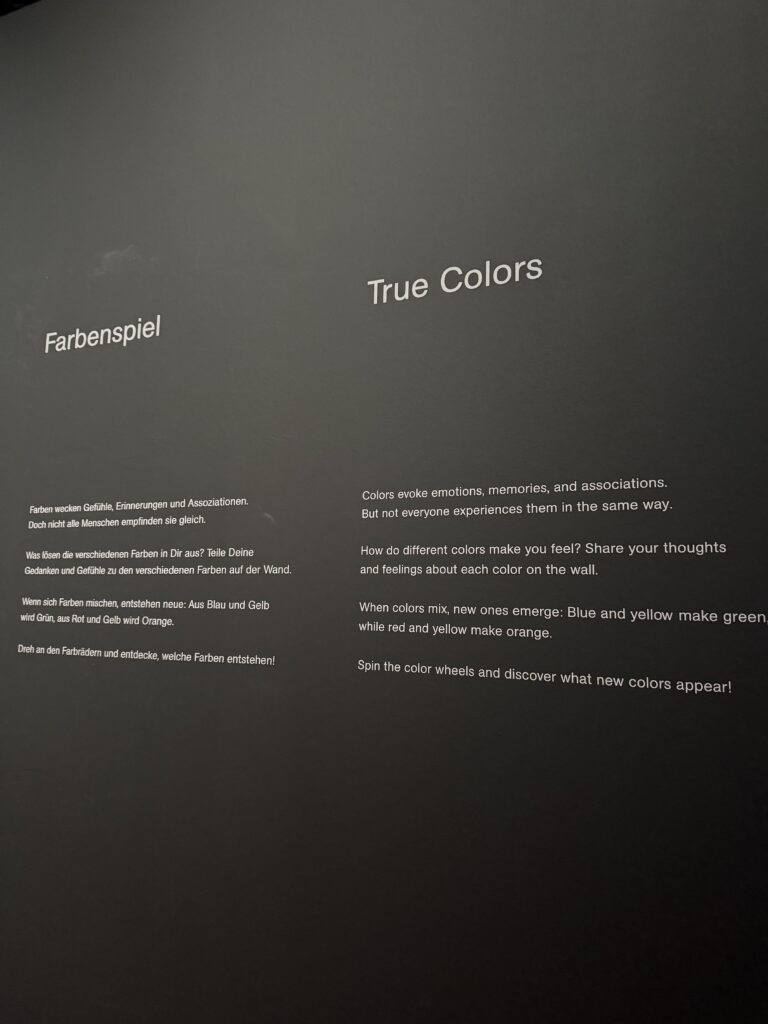
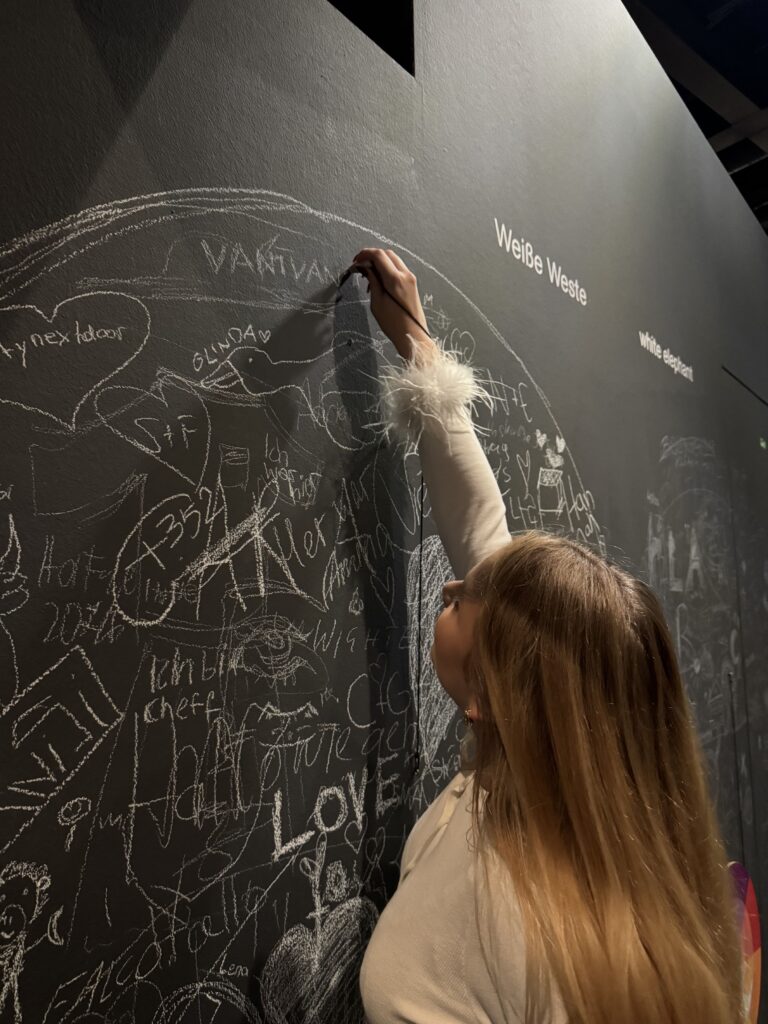
In addition to the historical garments, *farbenspiel* also offered the chance to get a little creative yourself.
On certain walls, visitors could leave their mark and make a personal contribution. Naturally, I had to join in right away. I love these kinds of small, interactive elements in exhibitions. They liven up a museum visit and turn the act of simply looking into a personal experience.
Especially in the context of an exhibition about fashion and individuality, I find this idea particularly fitting. After all, fashion is not just about what other people design, but also about how we ourselves express our own personalities. And so, a small part of me has now found its place in the Wien Museum—at least for the time being.
my summary
– Fashion Is Forever
My visit to *farbenspiel* was a wonderful blend of fashion, history, and personal inspiration.
What I particularly appreciated was that the exhibition does more than just display historical clothing; it reveals the deep significance behind colors, materials, and specific garments. At times, you might even come across something you’d love to take home with you. The *farbenspiel* exhibition is on display at the Wien Museum until March 28, 2027. Entry is free for visitors under 19 and on the first Sunday of every month.
If you have an interest in fashion, design, or history, you should definitely check out this exhibition. And even if you don’t engage with fashion on a daily basis, there is an incredible amount to discover here. My personal tip: be sure to combine your visit to *farbenspiel* with a trip up to the rooftop terrace—because the Wien Museum has plenty to offer beyond its interior spaces.
For me, this afternoon served as a wonderful reminder of why I love fashion so much. Trends come and go. Some vanish forever, while others make a grand comeback decades later. And sometimes, you can find more inspiration in a centuries-old dress than in an entire season of new collections. Fashion changes. Style remains. And that is precisely why the history of fashion will likely always fascinate me.