Kunsthistorisches Museum – better than the Louvre ?
„A visit to a museum is a search for beauty, truth and meaning in our lives.“; Kunsthistorisches Museum
I recently visited the Kunsthistorisches Museum for the very first time. And I’ll say this quite honestly, without any drama: I stopped as I walked in and thought to myself – why haven’t I been here much sooner? You know how it is. If you grow up in Vienna or live here, the Natural History Museum is somehow more ever-present. School groups, dinosaur skeletons, field trips. But the Kunsthistorisches Museum right across the street? For me, it was always one of those buildings you admire as you walk by – but never actually go inside.
Perhaps it’s precisely this „always been there“ that holds you back. You think you already know it. Or you unconsciously save it for „someday.“ For a quieter day, for more time, for the perfect moment. Spoiler alert: The perfect moment rarely comes. And that’s exactly why this first visit affected me so deeply. Because I realized how many impressions I’d missed out on all these years – even though it was all right under my nose.
Big mistake. A really big mistake.
Because the Kunsthistorisches Museum isn’t just more opulent, it’s more grandiose, more overwhelming, more cinematic. I honestly had that song from Anastasia stuck in my head the whole time. „Cub bear, last page on the calendar…“ – that exact feeling. As if someone had taken me from the 21st century and gently but firmly catapulted me into another era.
And before you think: Oh God, here comes a ridiculously long museum review – yes. It will be a longer blog post. But don’t worry: It’s worth it. Really.
A building that ...
doesn’t do things by halves
Even from the outside, the Kunsthistorisches Museum makes a statement. Not a quiet „hello,“ but a confident „I’m here.“ The symmetry, the dome, the details. You immediately realize: no expense was spared. And yes, I’m going out on a limb here—but I’m certain the Kunsthistorisches Museum rivals the Louvre in Paris.
It’s this uncompromising opulence that immediately captivates you. Nothing seems accidental, nothing incidental. Every stone, every figure, every line appears to have been deliberately placed to make an impression. And that’s exactly what happens. You automatically feel smaller—but not insignificant. More like you’ve been briefly allowed to be part of a world that otherwise only exists in films.
Yes, I know. The Louvre is huge. Much bigger. But more opulent? I’m not so sure. The Kunsthistorisches Museum has a density of splendor that’s almost brazen. Every room feels like its own film set. Not a single transition is „okay.“ Everything is „wow.“ And quite honestly: Was Napoleon Bonaparte ever actually in Vienna? If so, I still don’t understand why this wasn’t his residence. That’s my honest opinion.
The staircase
that pulls everyone upwards
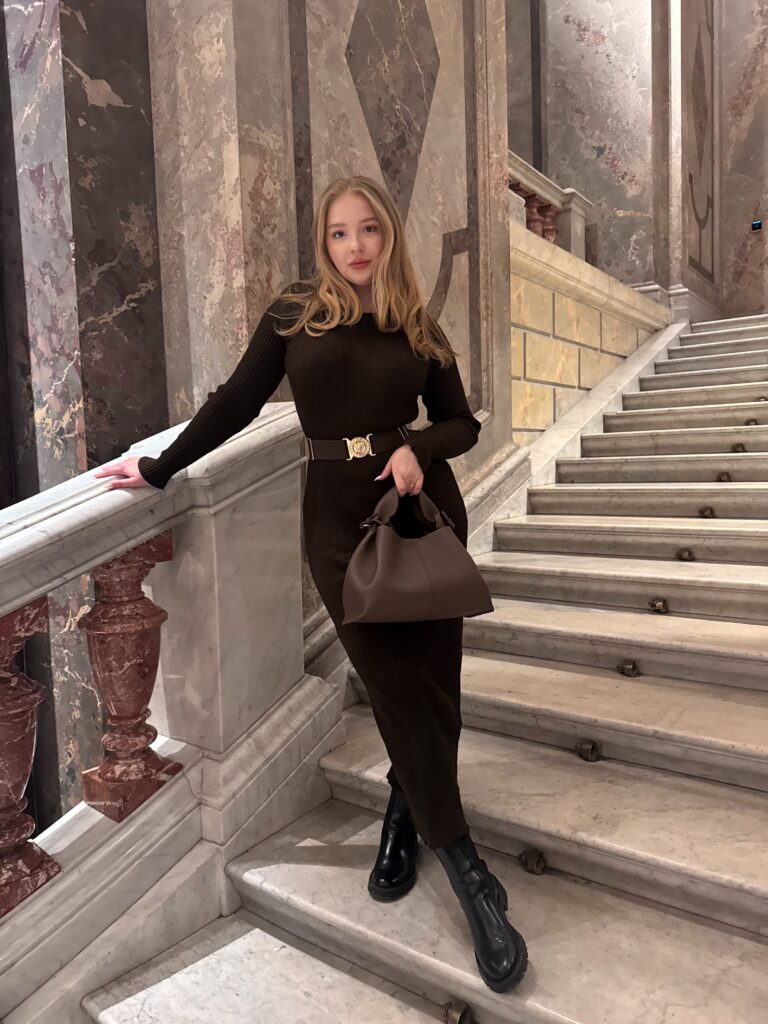
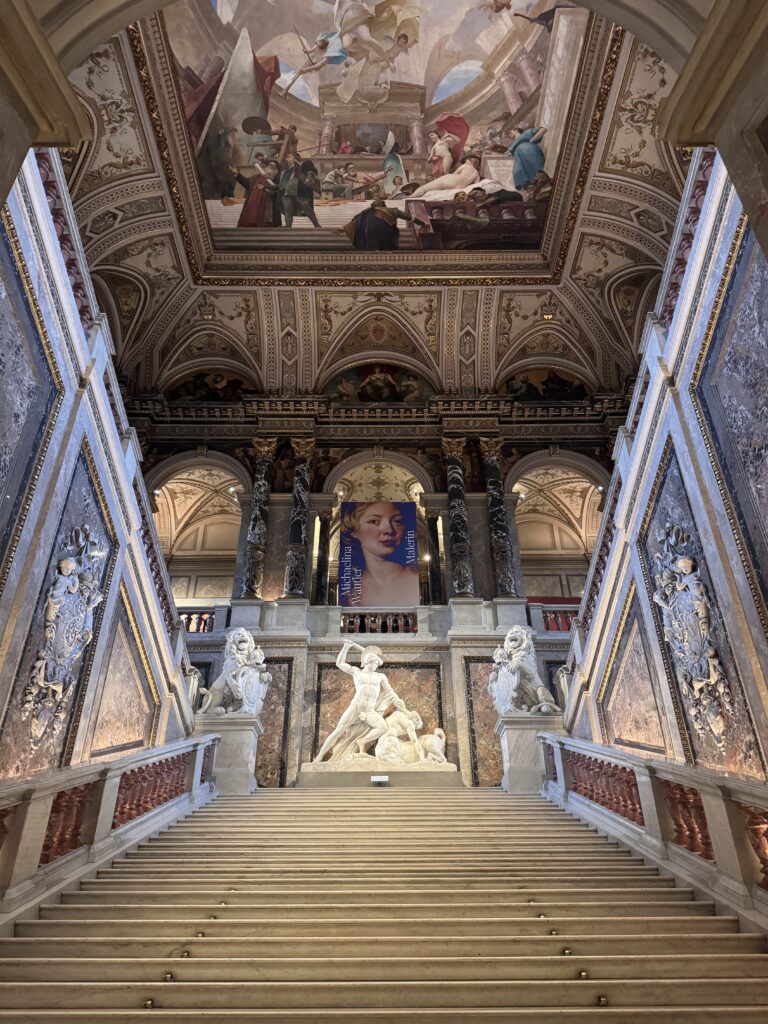
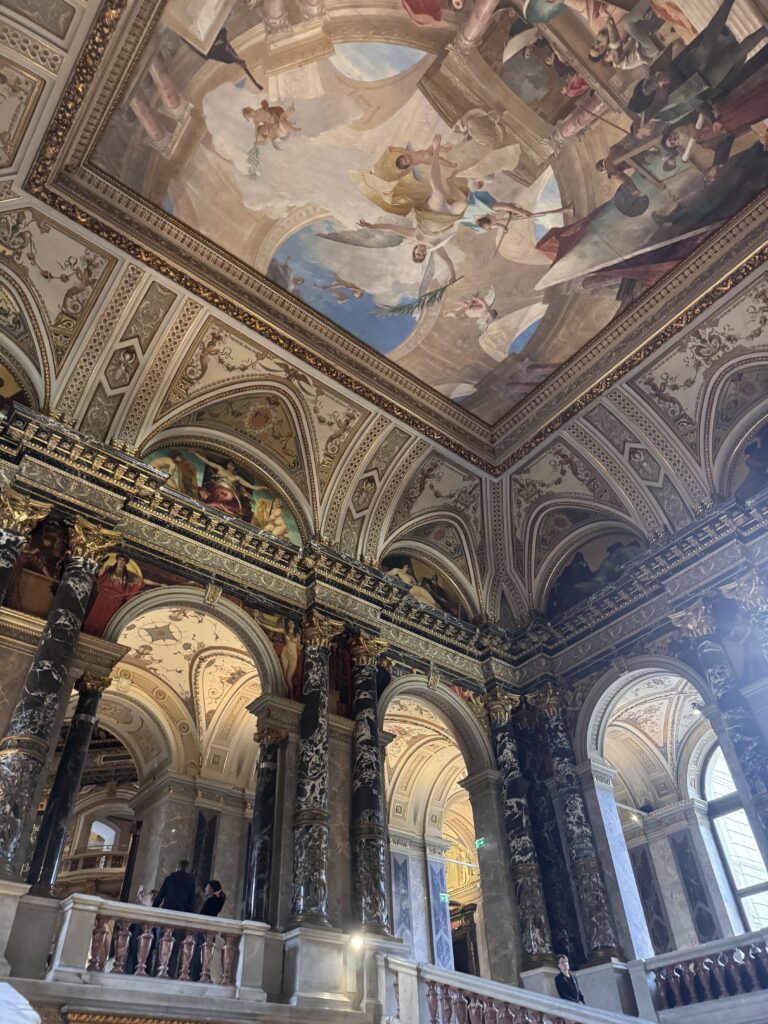
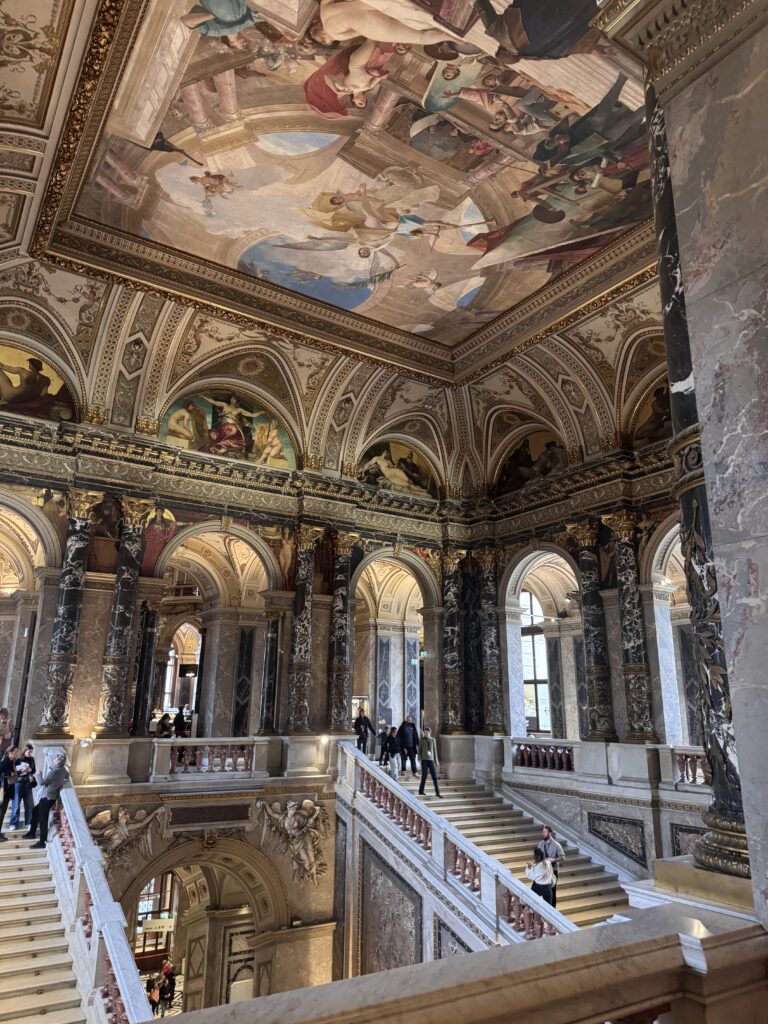
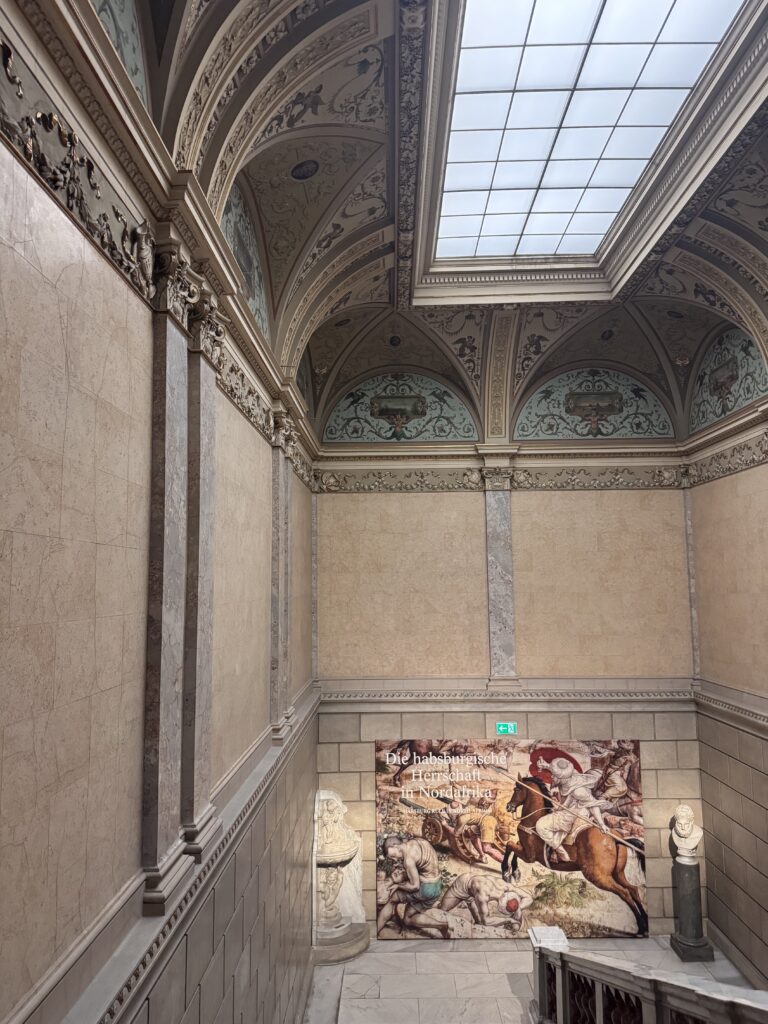
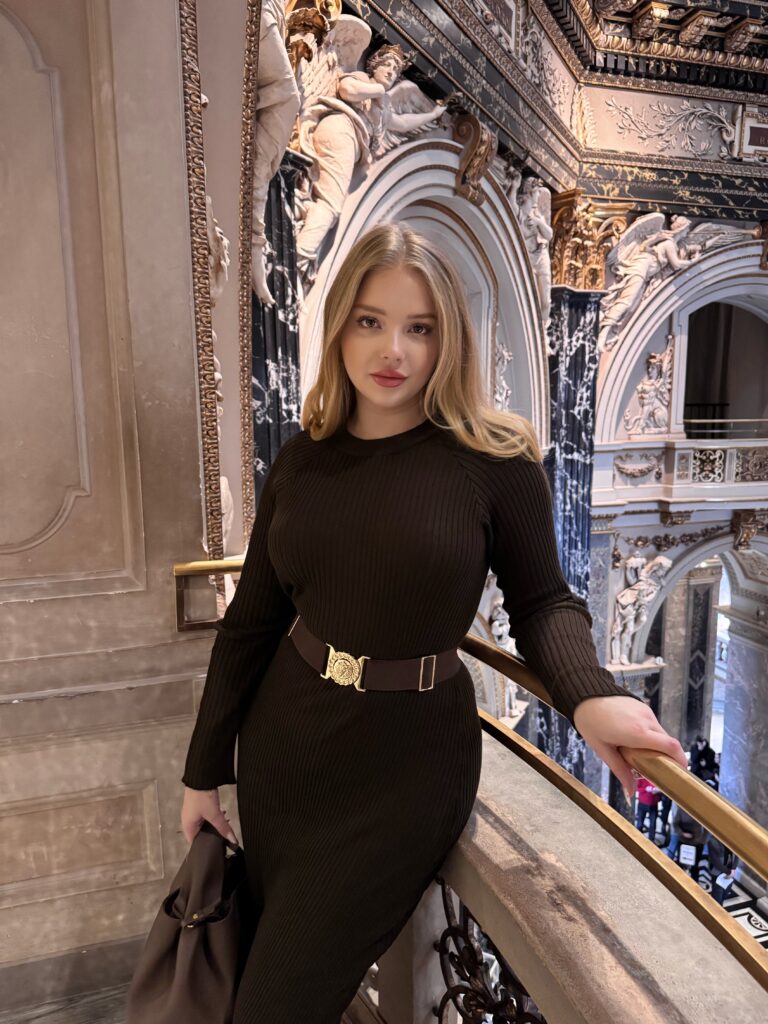
The Kunsthistorisches Museum spans two levels, housing a wide variety of collections and exhibitions. But—and this is almost comical—most people are drawn, as if by magic, to this one staircase. This enormous, imposing, magnificent staircase leading to the upper floor. You don’t just walk up it. You stride. And once you reach the top, you automatically feel a bit more elegant, a bit more upright, a bit like someone who really should be wearing a long coat.
This feeling, by the way, lasts longer than you’d think. Even when you walk through the halls again later, this quiet sense of grandeur remains. As if you’ve unconsciously adapted to the place. You speak more softly, move more deliberately, look more closely. The museum doesn’t just shape the space—it also shapes the behavior of the people within it.
Upstairs, there’s a café—just like in the Natural History Museum. A beautiful one at that. But: If you want to go there, you need to bring time. Lots of time. The line is long. Really long. But honestly? You should bring time with you to any museum anyway. The Museum of Art History isn’t a place for a quick visit.
We really went to every room
and there are a a lot
My husband and I set out to see everything. And we did it. Room by room. Hall by hall. In the Kunsthistorisches Museum, that’s no small feat. It’s astonishing how different rooms can feel, even though they’re part of the same building. Some draw you in immediately, others demand patience. But that’s precisely what makes it exciting. You don’t have to understand or like everything right away. You can stop, move on, come back. This free exploration feels incredibly liberating.
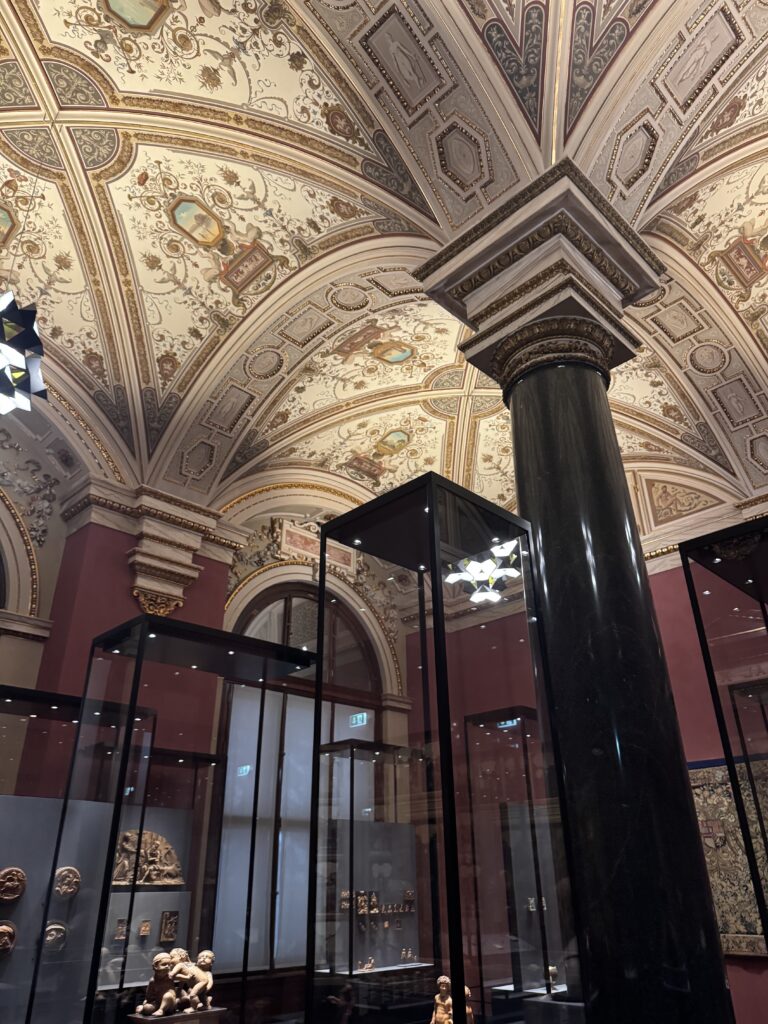
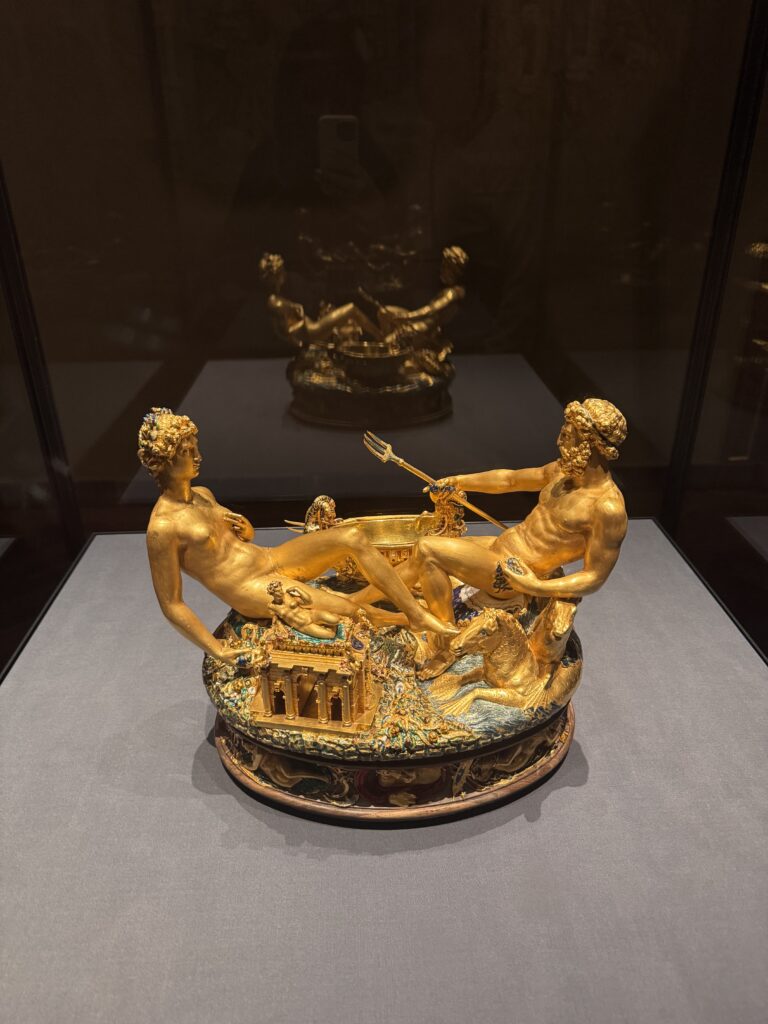
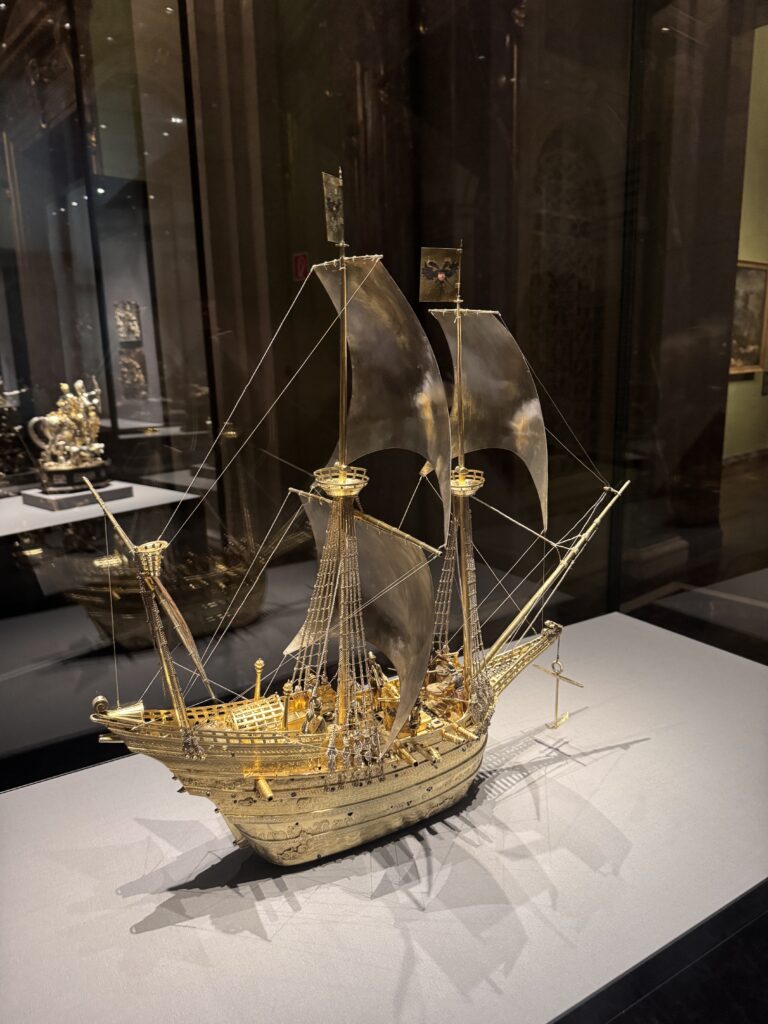
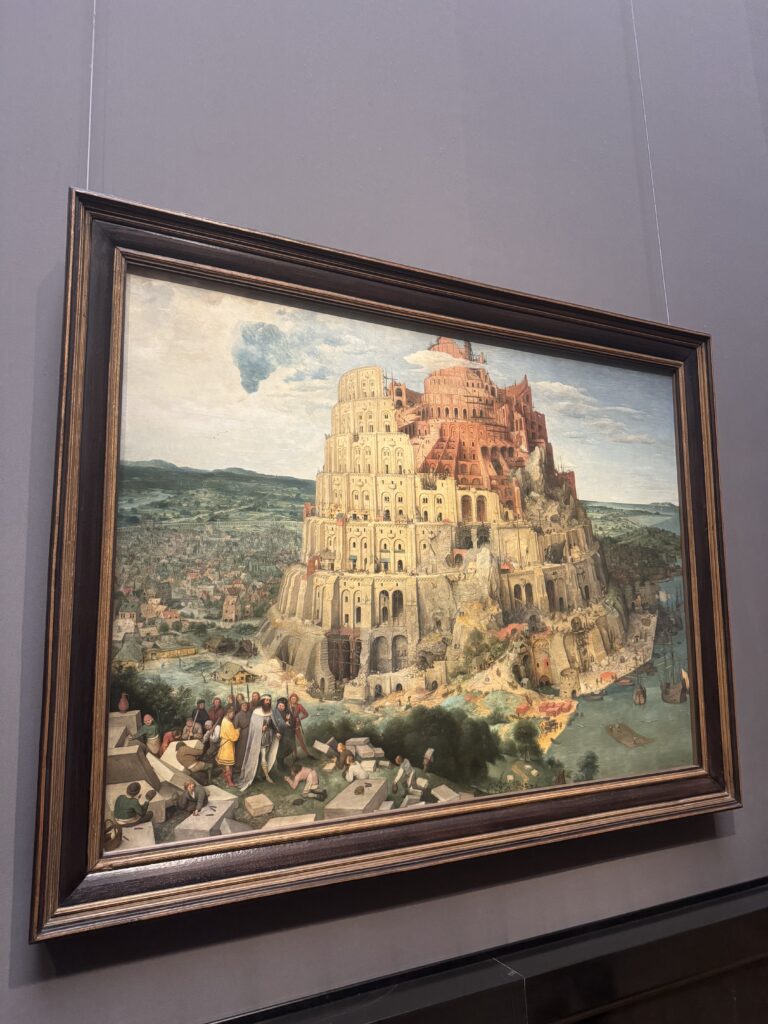
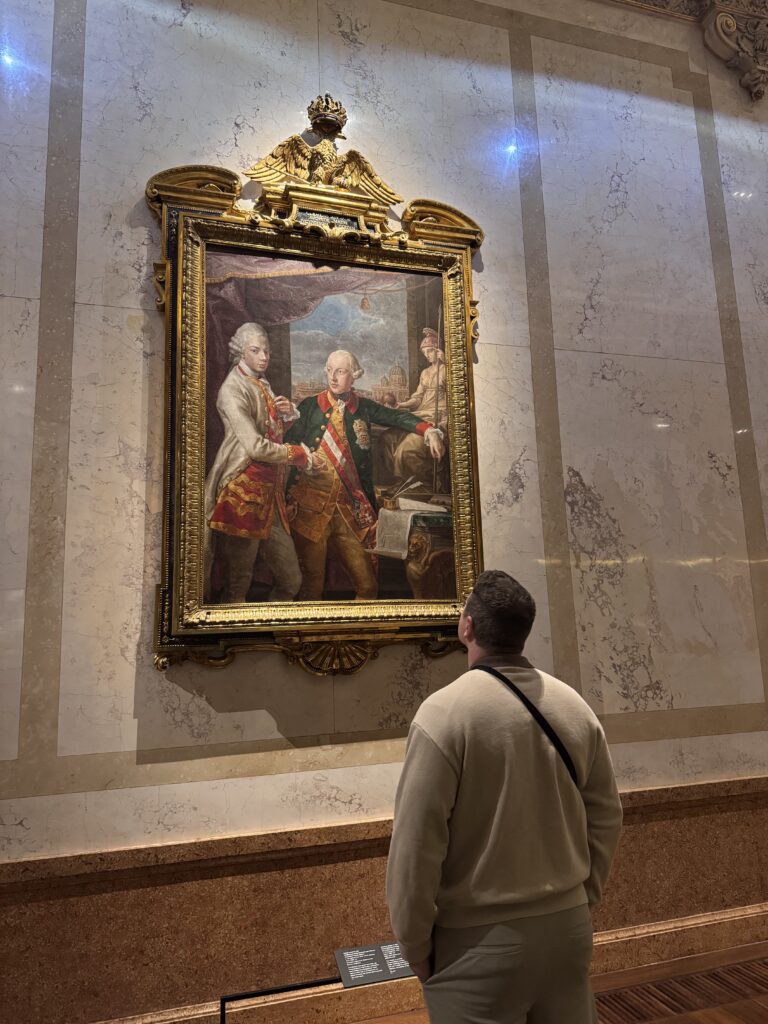
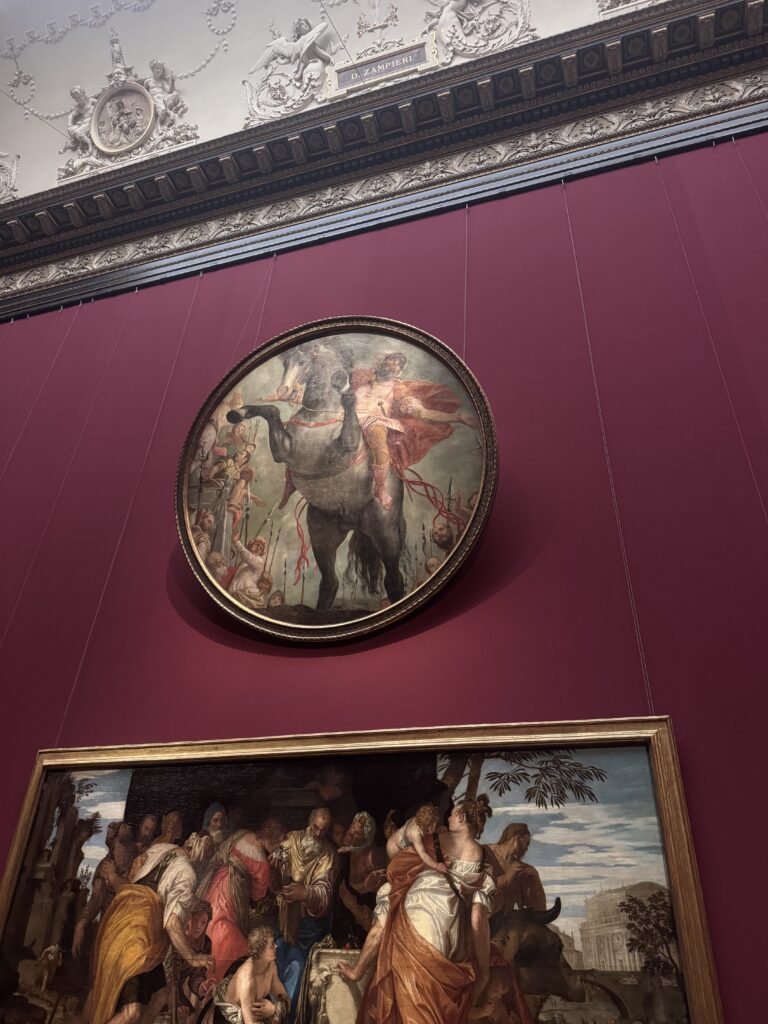
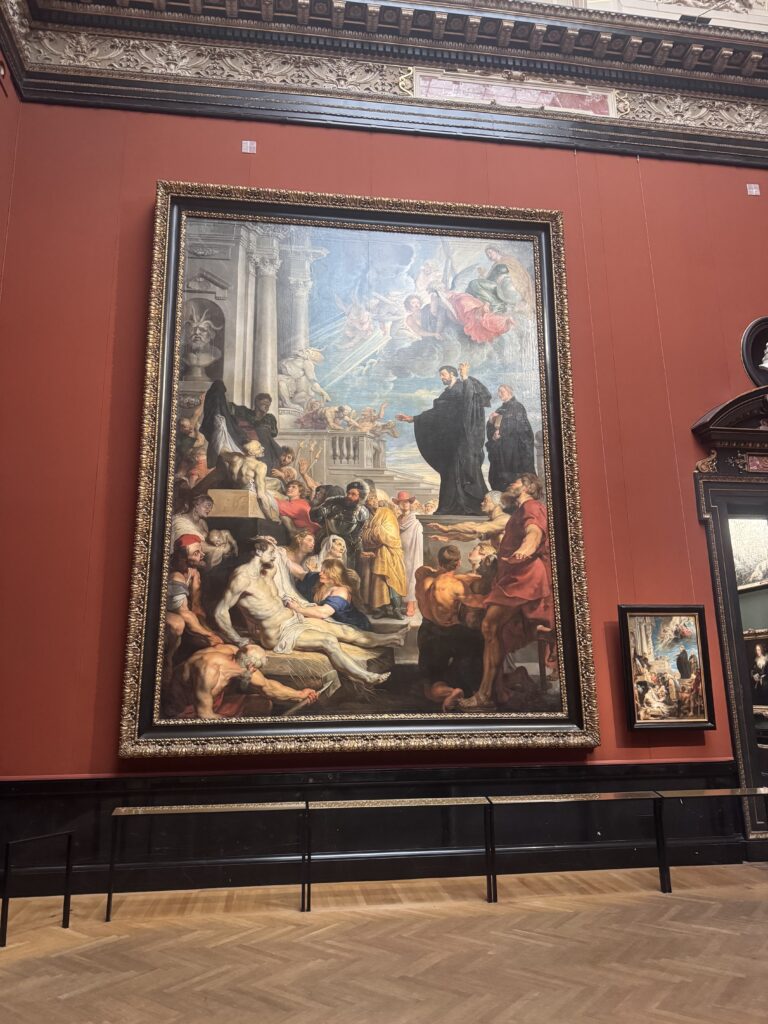
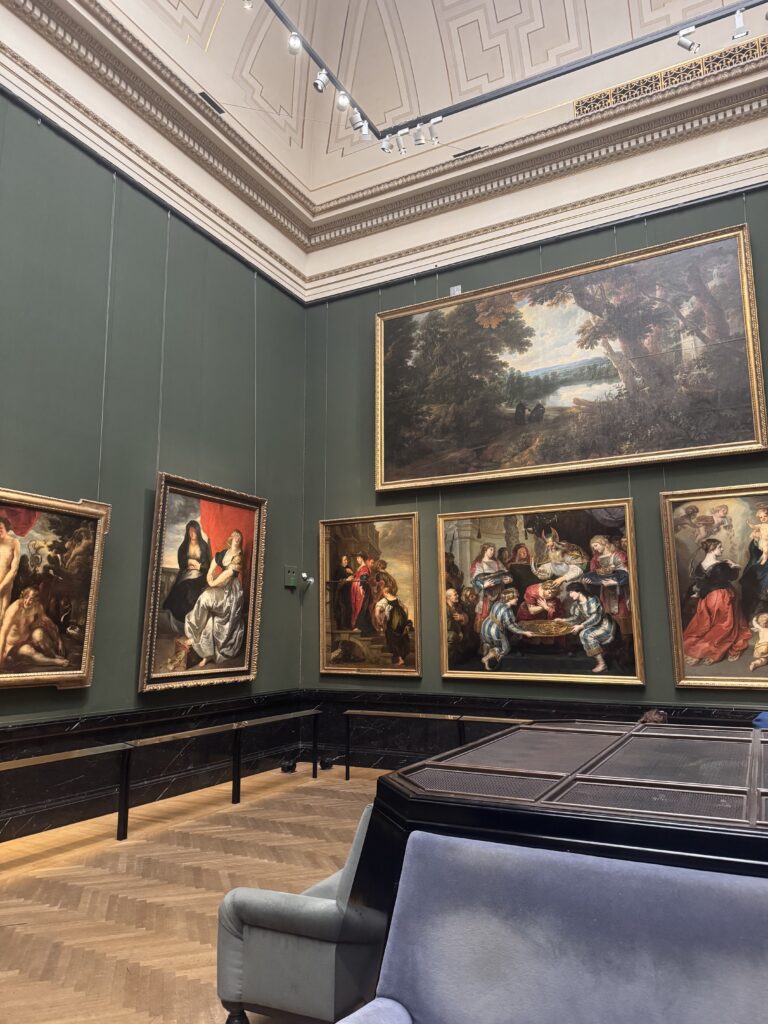
We stood in front of paintings and philosophized. About colors, about gazes, about what touched us—and about what we didn’t understand at all. We laughed. Really laughed. Because some depictions are simply… special. And that’s exactly what I love. Then came the exhibitions with the objects. And that was a moment that particularly moved me. These things are priceless. And yet, at the same time, they were simply everyday objects back then. A jug. A table decoration. A toy ship that could move. A toy. For us today, a museum piece—for them, back then, life.
Hard to imagine.
From Vienna
directly to Egypt
As we strolled through the Kunsthistorisches Museum, we talked about this new museum that opened in Egypt this year. How huge it must be. How incredible. And that so many Egyptian exhibitions are actually in London.
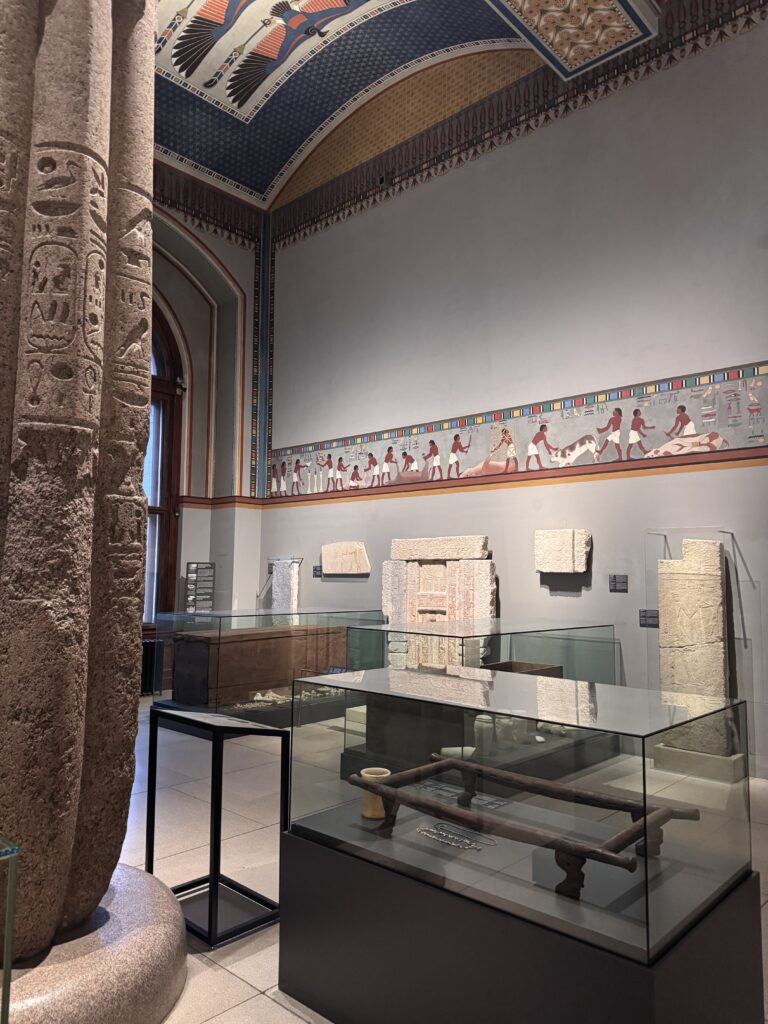
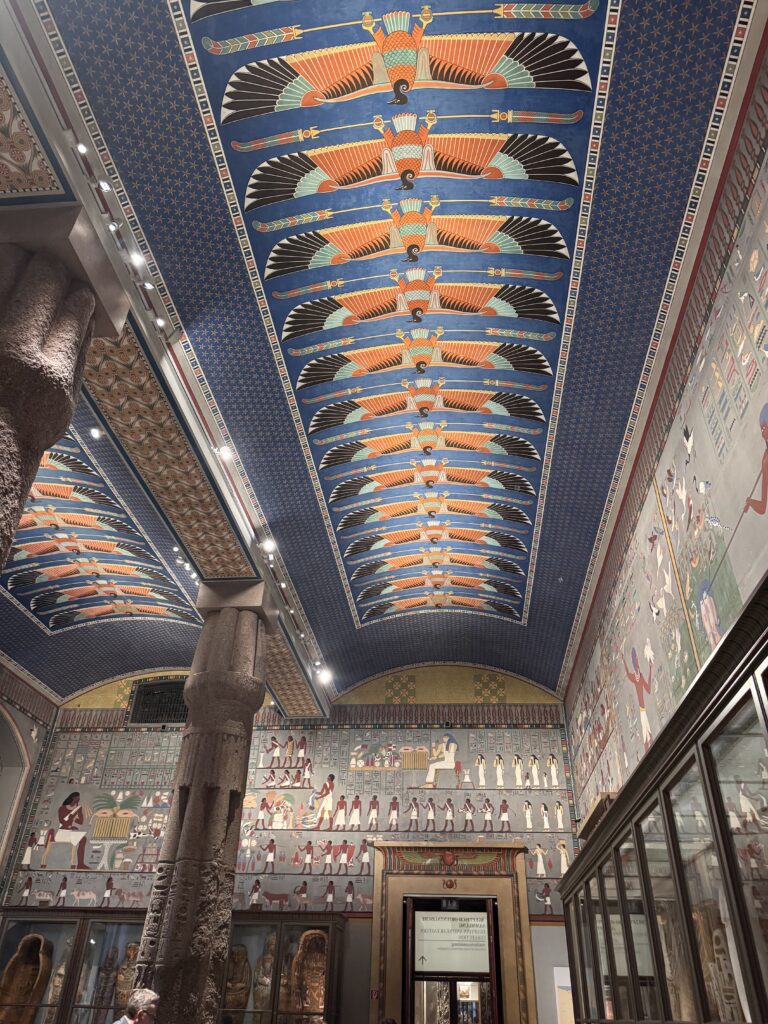
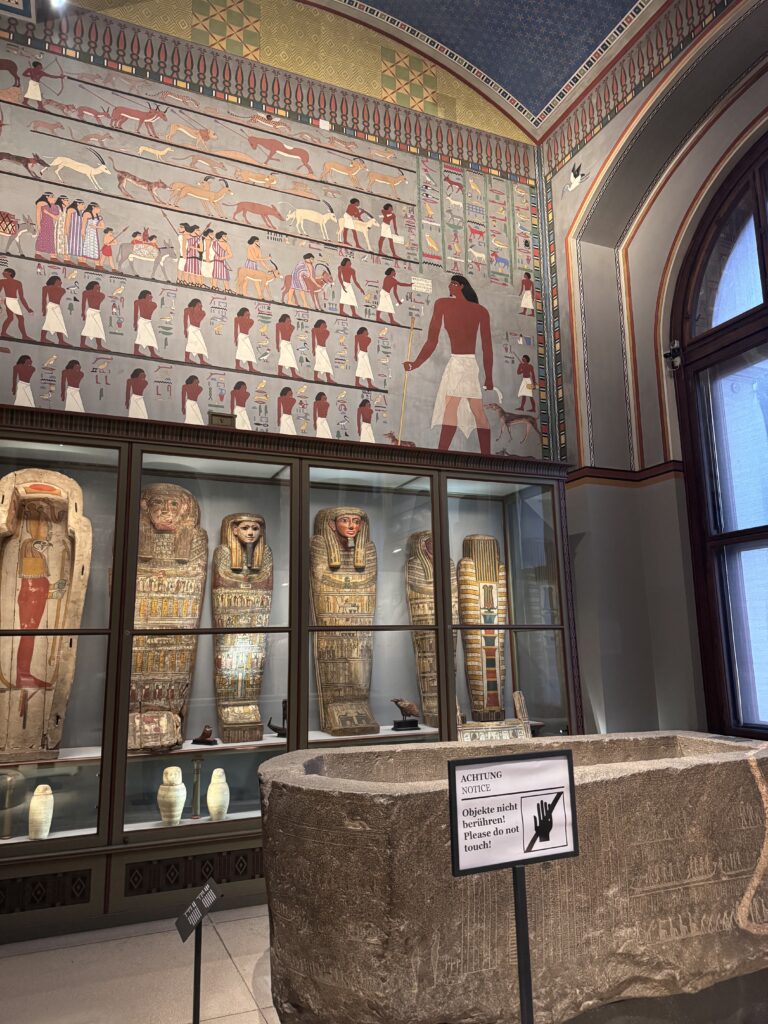
It was one of those conversations that arise when you let yourself drift. Without a destination, without a plan. Thoughts that come and go as you wander through the rooms. And that’s precisely why the next moment was so surreal—because this conversation suddenly materialized. And then—truly like something out of a movie—we were suddenly standing in Egypt ourselves. Because, yes, the Kunsthistorisches Museum has a permanent Egyptian collection. Coincidence? I don’t think so.
This transition was almost imperceptible. Suddenly, the atmosphere was different. The colors, the shapes, the energy. You no longer felt like you were walking through Vienna, but through a completely different world. One that felt both alien and fascinatingly familiar. The walls. The drawings. The atmosphere. You really feel like you’re there. And then that coffin. Enormous. Massive. Heavy—just by looking at it. The details carved into the stone. Incredibly precise. Incredibly beautiful. And somehow also awe-inspiring.
I was genuinely impressed.
Hours that ...
feel like minutes
We spent hours in the Kunsthistorisches Museum. And I mean that literally. Hours. And yet, we hardly noticed the time passing. There are places that feel timeless. Not because they’re old – but because they release you from your own sense of time. That’s exactly what happened here. No checking our phones, no „what time is it?“ Just this pleasant loss in the moment.
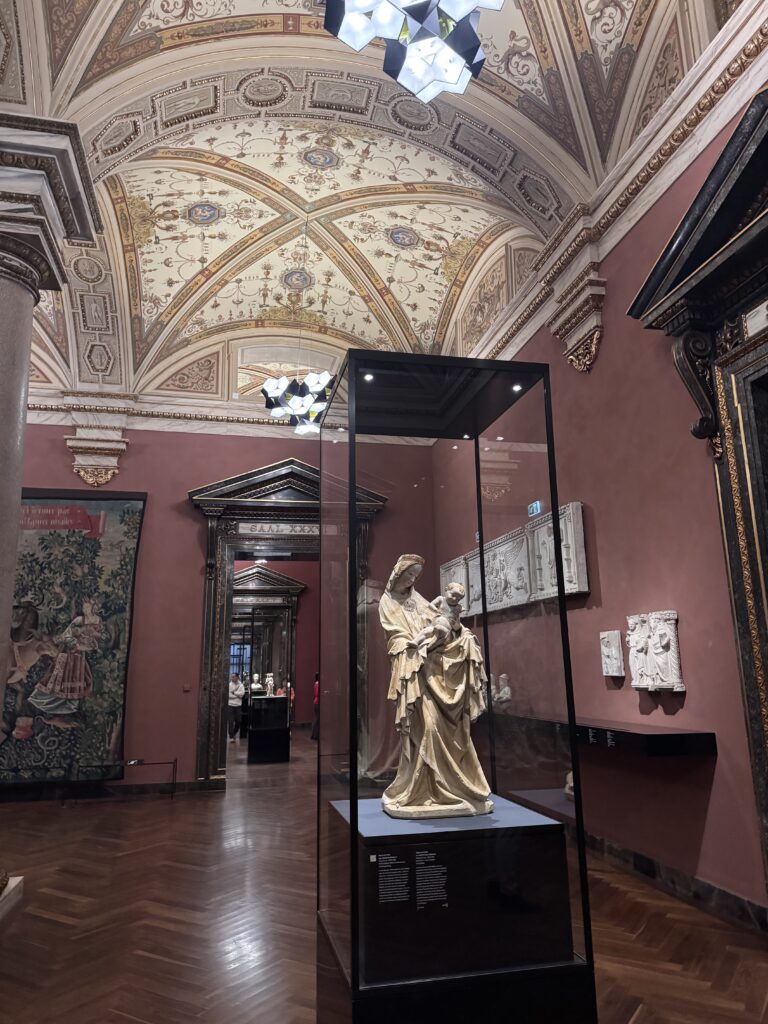
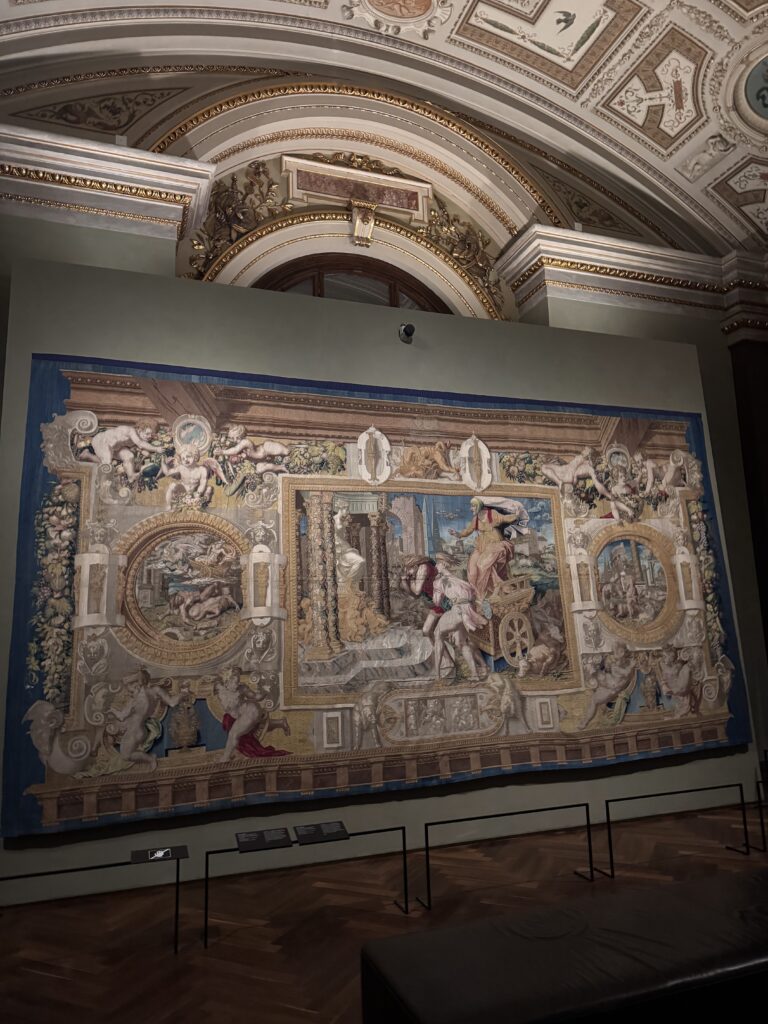
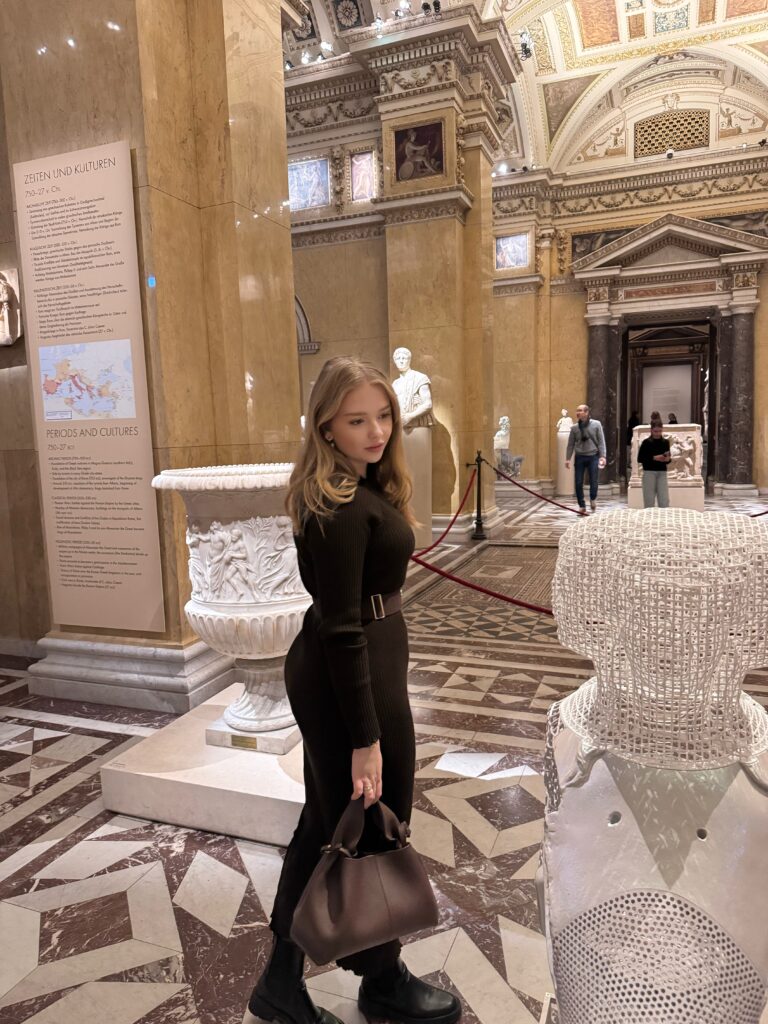
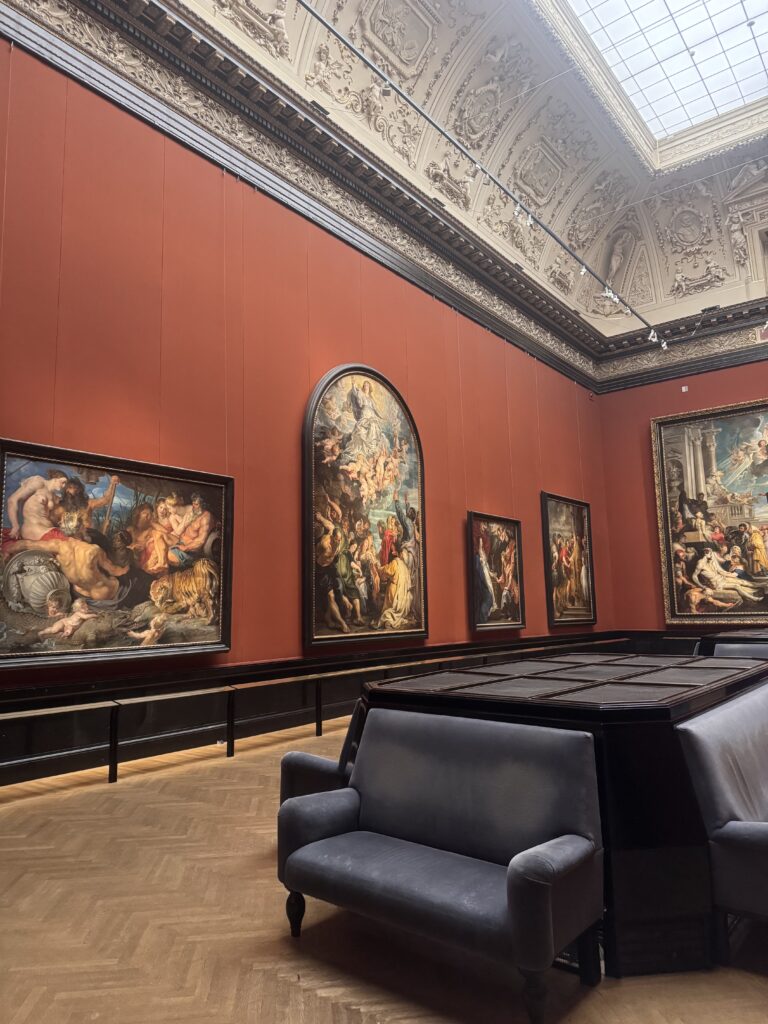
Especially on the first floor, I kept thinking of the Louvre. High ceilings. Enormous paintings. And in the center, seating areas whose colors perfectly matched each room. This attention to detail is evident throughout the entire Kunsthistorisches Museum. These seats are invaluable, by the way. Not just for tired feet, but for thoughts. You sit down, look around, observe other people. And realize that art doesn’t just hang on the walls, but also lives in the reactions of its visitors.
The place that almost no one sees
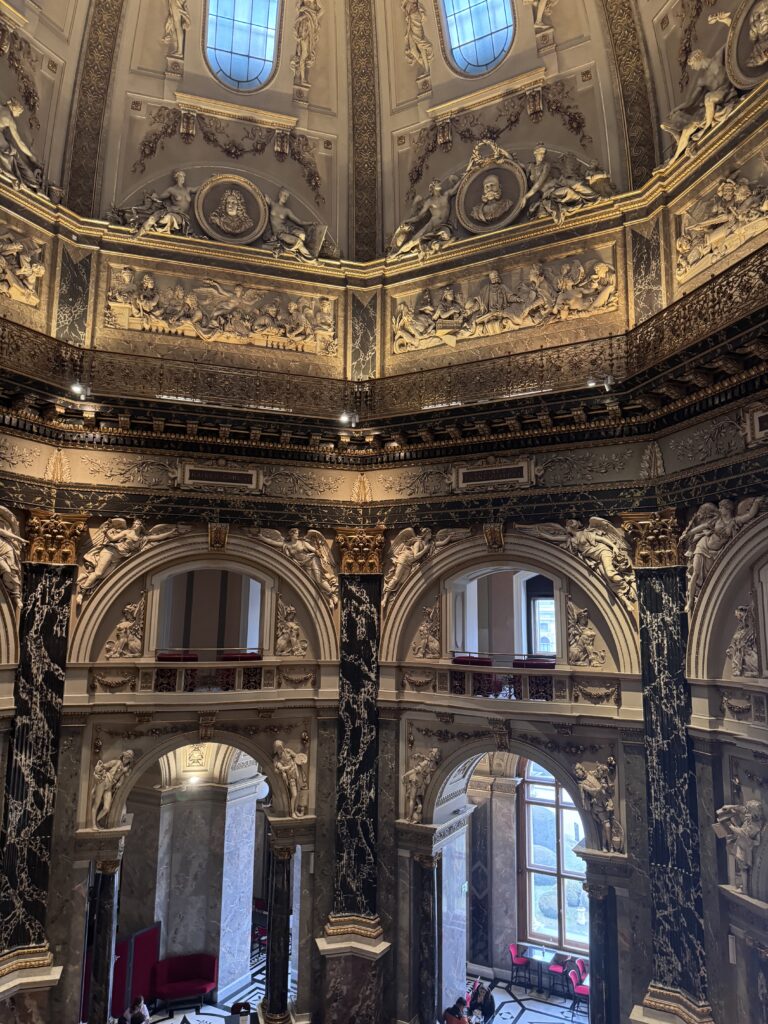
And then there’s this one place in the Kunsthistorisches Museum that hardly anyone talks about. One that you don’t stumble upon by chance, but almost have to search for. At the back of the first floor, a rather inconspicuous staircase leads up to the attic. It usually houses special exhibitions – but that’s not all. Because if you continue upstairs, the view suddenly opens up to the balconies surrounding the large glass dome.
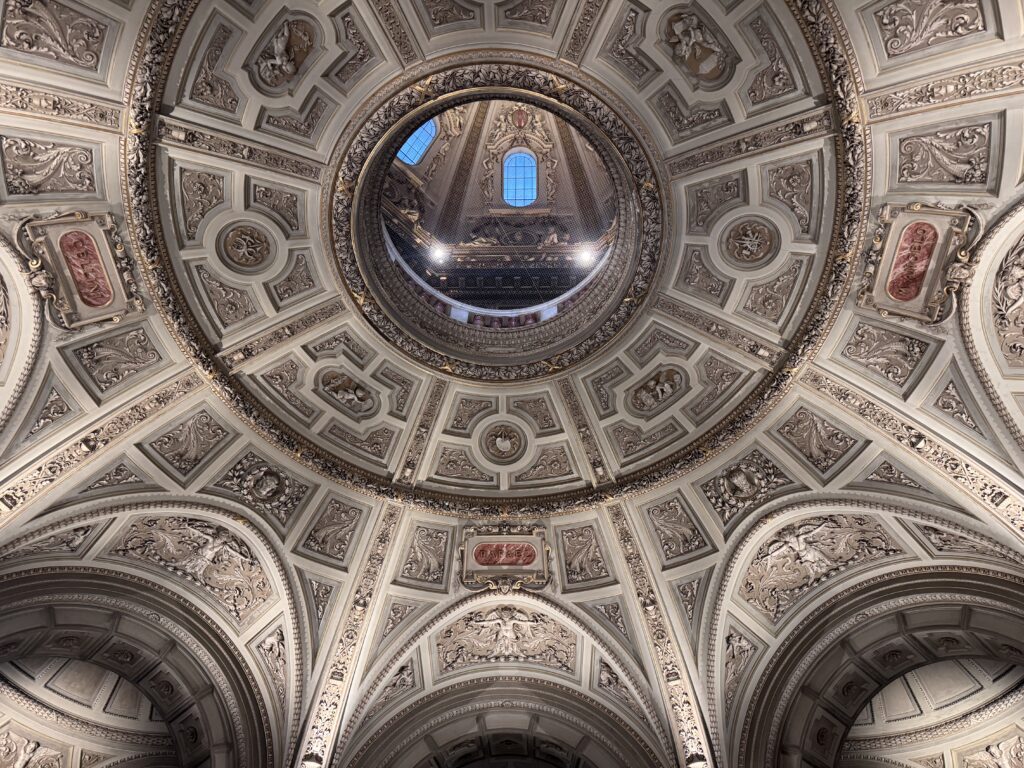
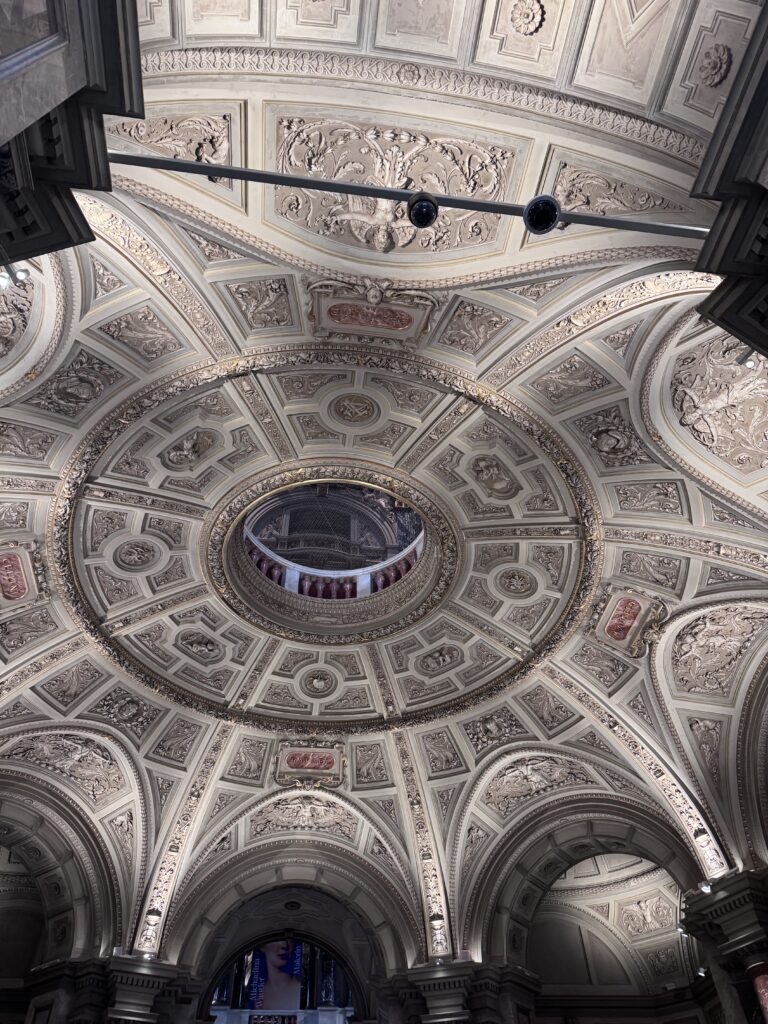
And in that moment, you simply stop. The glass dome is the centerpiece of the entire Kunsthistorisches Museum. Striking from the outside, it’s breathtaking from the inside. Down below, right in the center, is the café – and up above, you’re suddenly at eye level with this architecture. You look down, see the people, hear only a hushed murmur, and for a moment feel completely detached from everything else. It’s one of those places where you absolutely have to take photos – not for social media, but for yourself. Because of the perspective. Because of the tranquility. Because of that feeling of having discovered something that not everyone knows about. For me, it was one of the most magical moments in the entire museum.
Fun facts you'll love
and certainly don´t know
• The Kunsthistorisches Museum opened in 1891 – together with the Natural History Museum. Symmetry was no accident back then.
• Many works come from the Habsburg collection – one of the most important art collections in the world.
• The large dome is over 60 meters high. Yes, you feel small. Very small.
• The Kunsthistorisches Museum houses one of the world’s largest Bruegel collections.
• Some rooms are intentionally darker to make the colors of the paintings appear more intense.
• The seating is not only beautiful but also deliberately placed – art should be given time to appreciate.
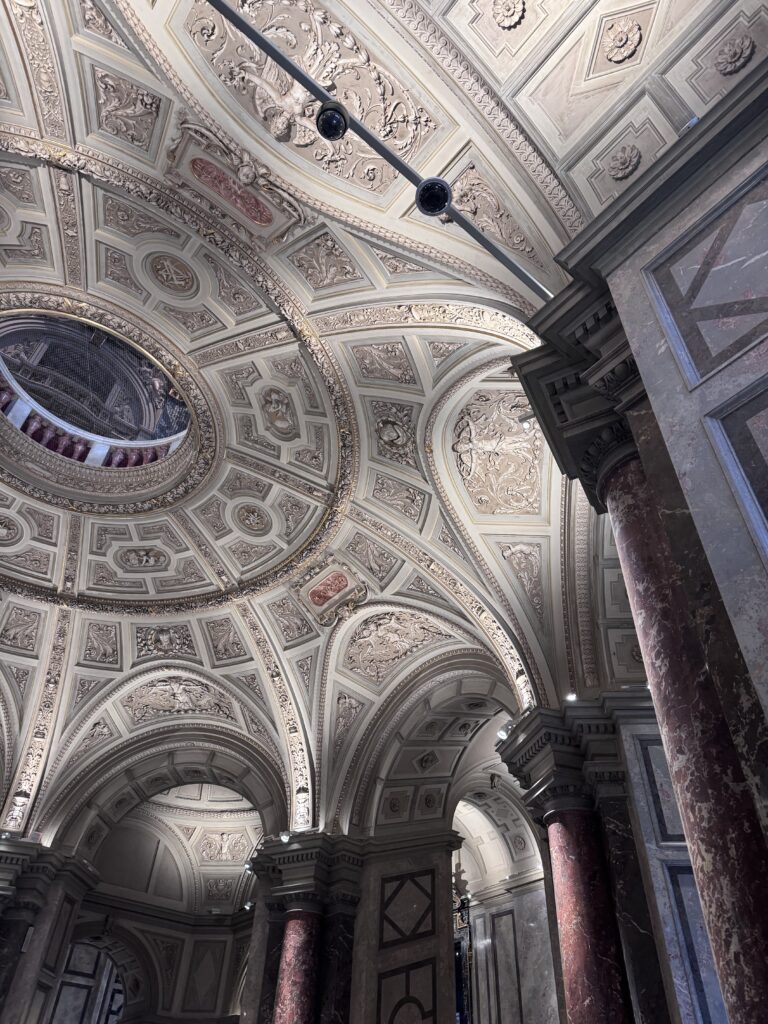
• Even the ceilings are works of art. Truly. Don’t forget to look up.
What I love about these facts is that they make the whole thing more tangible. Suddenly it’s no longer „just“ a museum, but a living place with history, power, a passion for collecting, and a great deal of ambition. You can sense that this isn’t simply a place of exhibits – it’s a place of preservation, presentation, and storytelling.
my summary
Whether you like museums or not
I’m sure of it: Even if you’re not usually a museum person, the Kunsthistorisches Museum will win you over. It’s not dry. Not didactic. Not exhausting. It’s an experience. Maybe not immediately. Maybe not in the first room. But eventually. In a glance, a detail, a room that unexpectedly speaks to you. And that’s precisely the beauty of it: You don’t have to force anything. You can simply be there.
A place where you can lose yourself. Thoughts. Time. Everyday life. I would go back anytime. And next time, I’ll definitely sit in the coffee house—no matter how long the line is. So next time you’re walking across Maria-Theresien-Platz and standing between the two buildings: Go in. To the Kunsthistorisches Museum. Seriously. You won’t regret it.