Zuckerlwerkstatt Wien – your sweetest secret experience
„Candy is childhood, the best and bright moments you wish could last forever.“- Dyan Lauren; Zuckerwerkstatt Wien
invitation
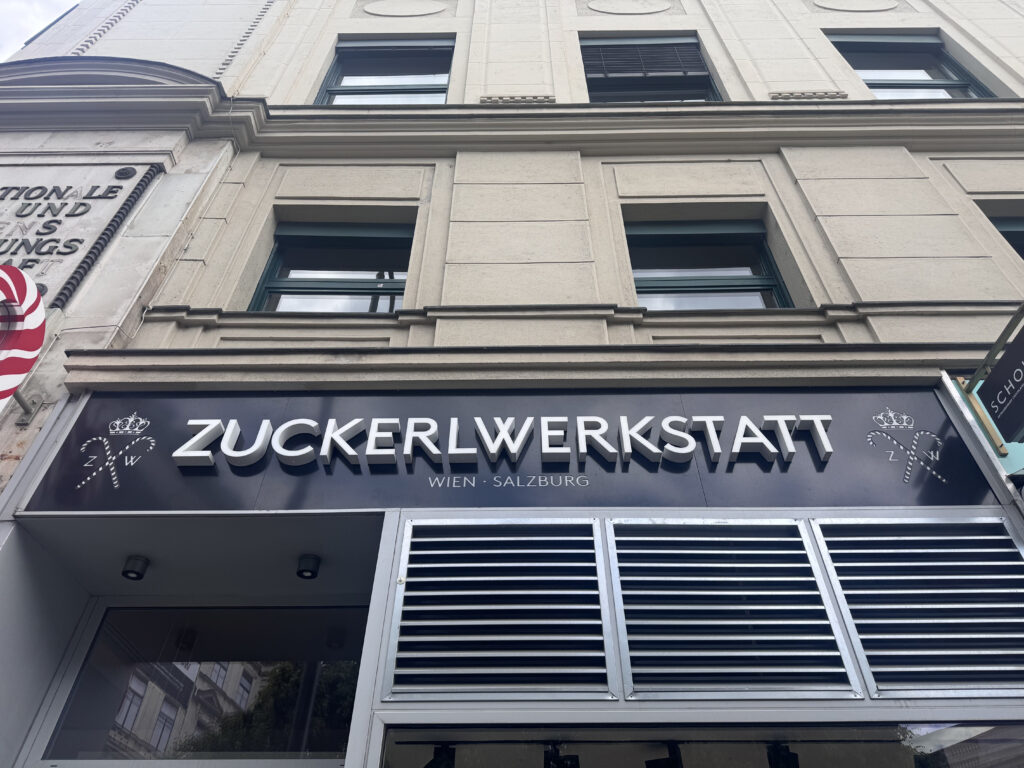
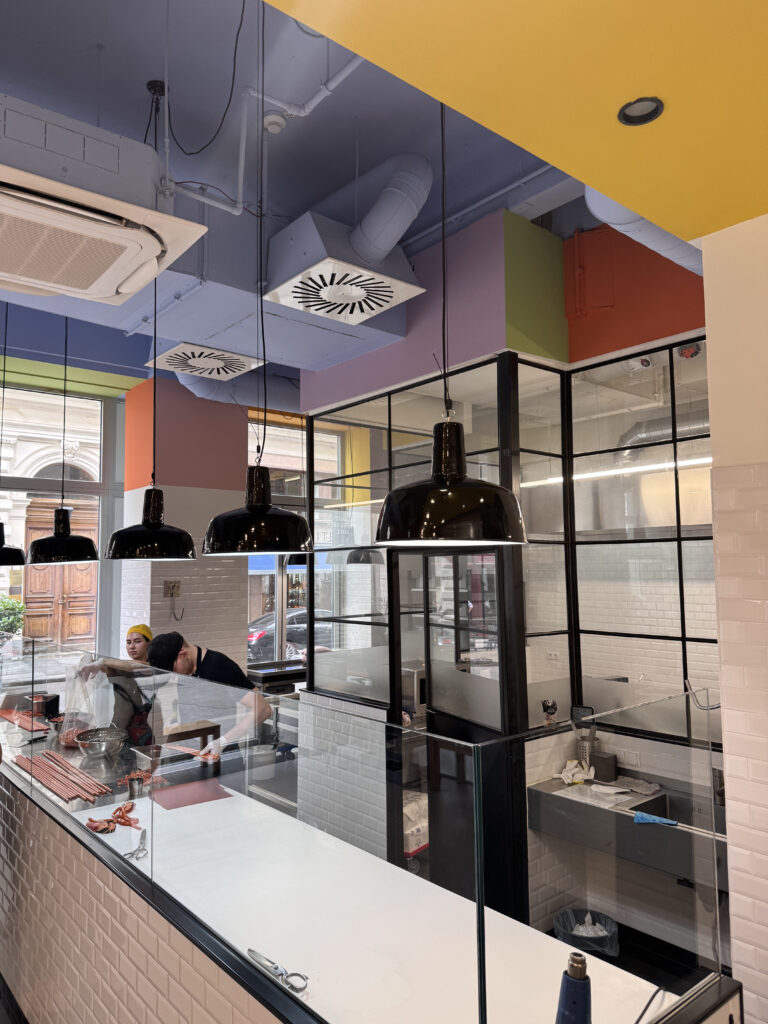
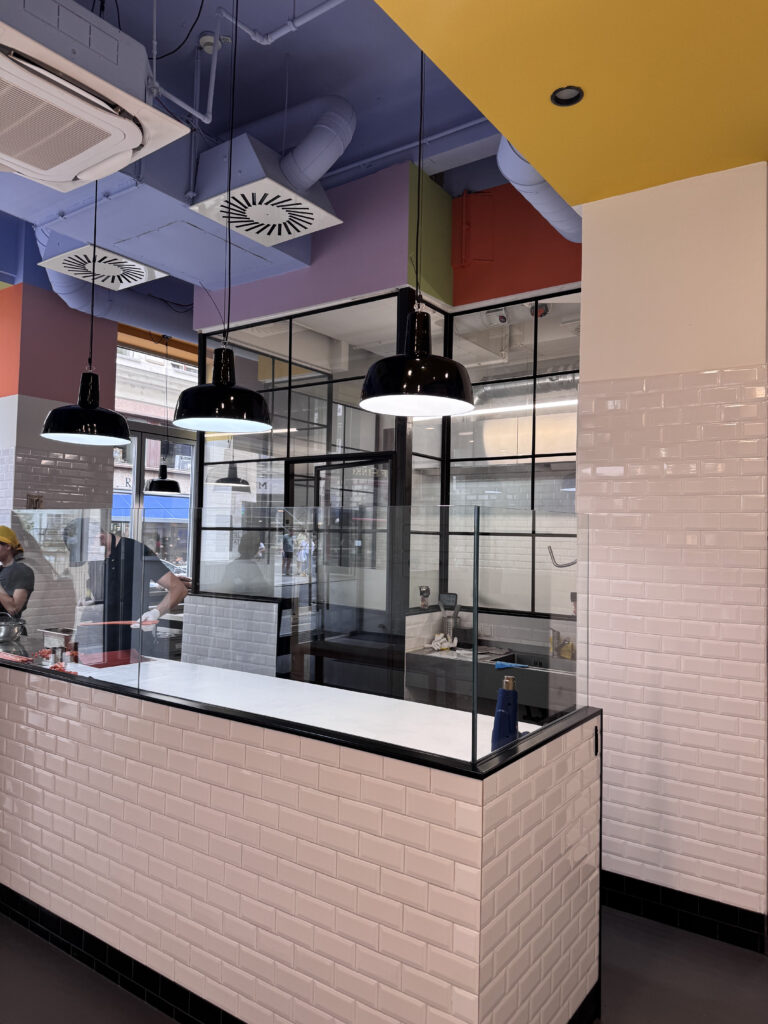
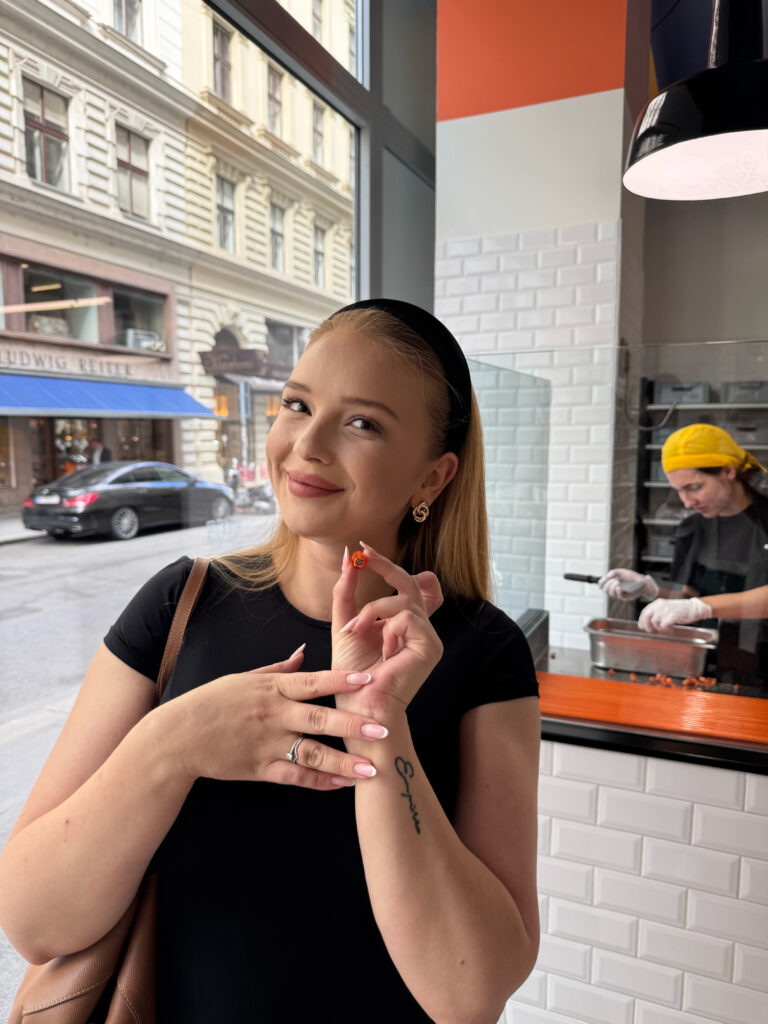
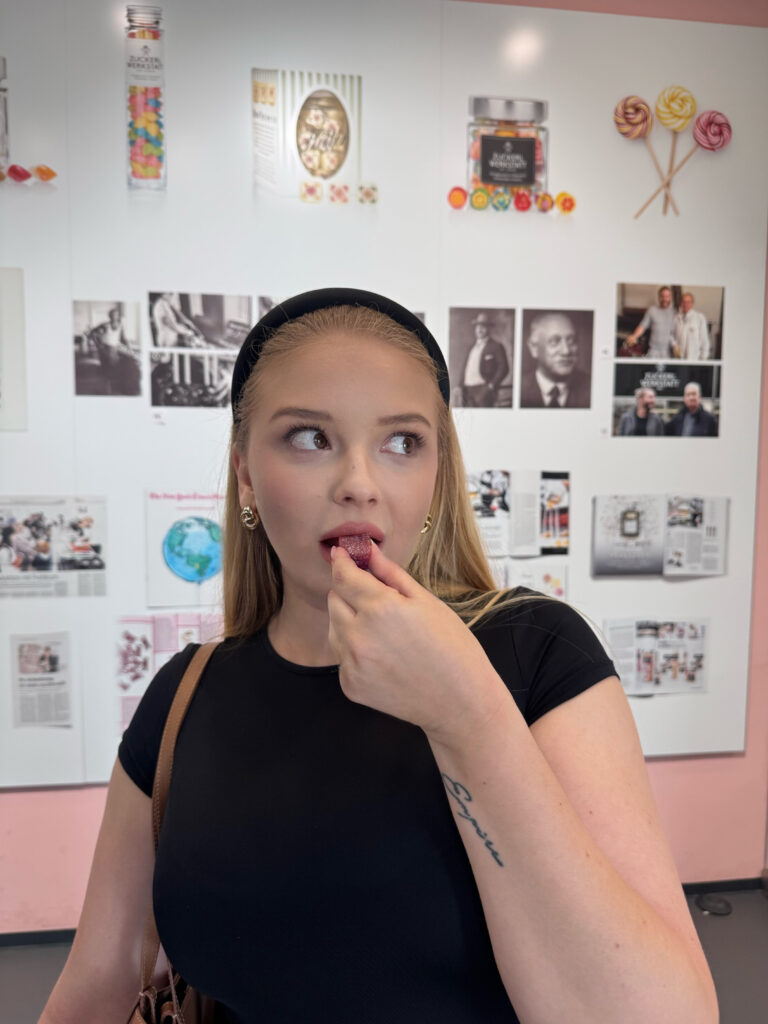
Some places taste of childhood. Others of Vienna. And then there are places that combine the two. There are places that evoke a feeling the very instant you arrive—even before you’ve fully grasped what you’re looking at. That is exactly how my mom and I felt when we stepped into Zuckerlwerkstatt Wien on Führichgasse.
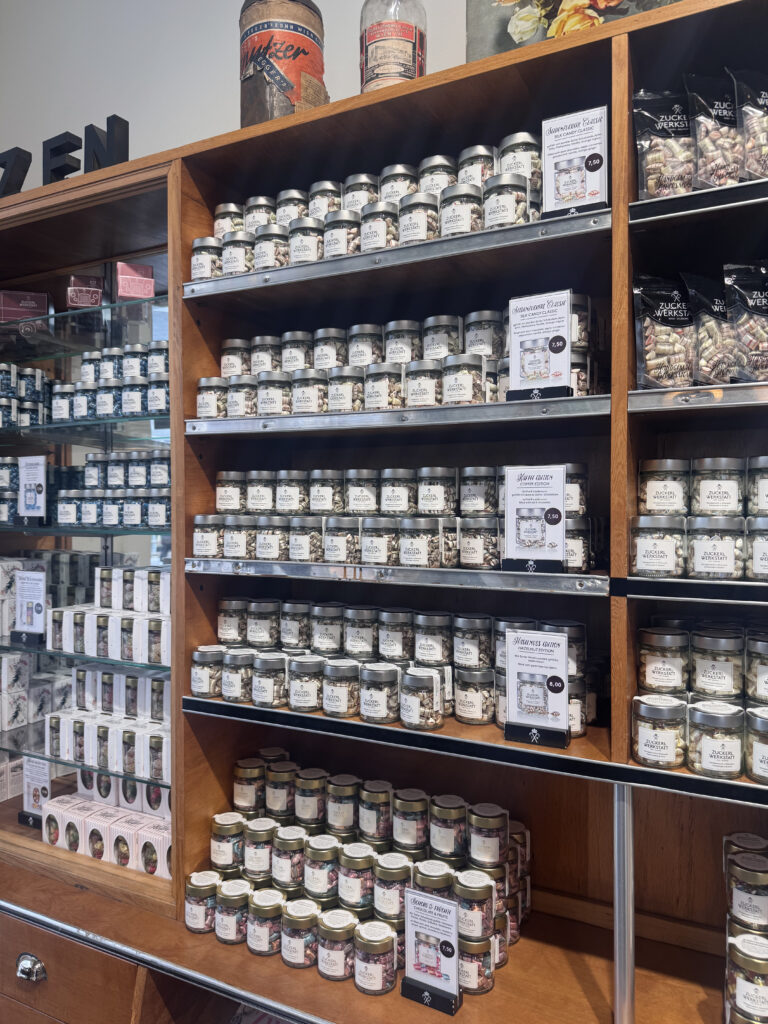
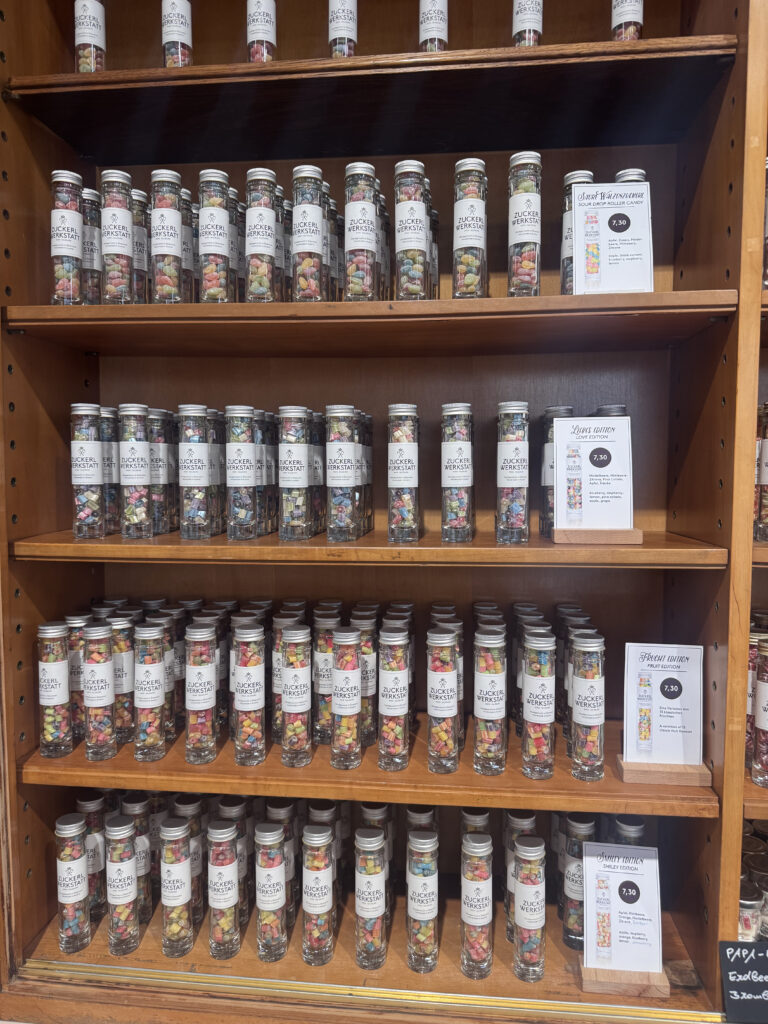
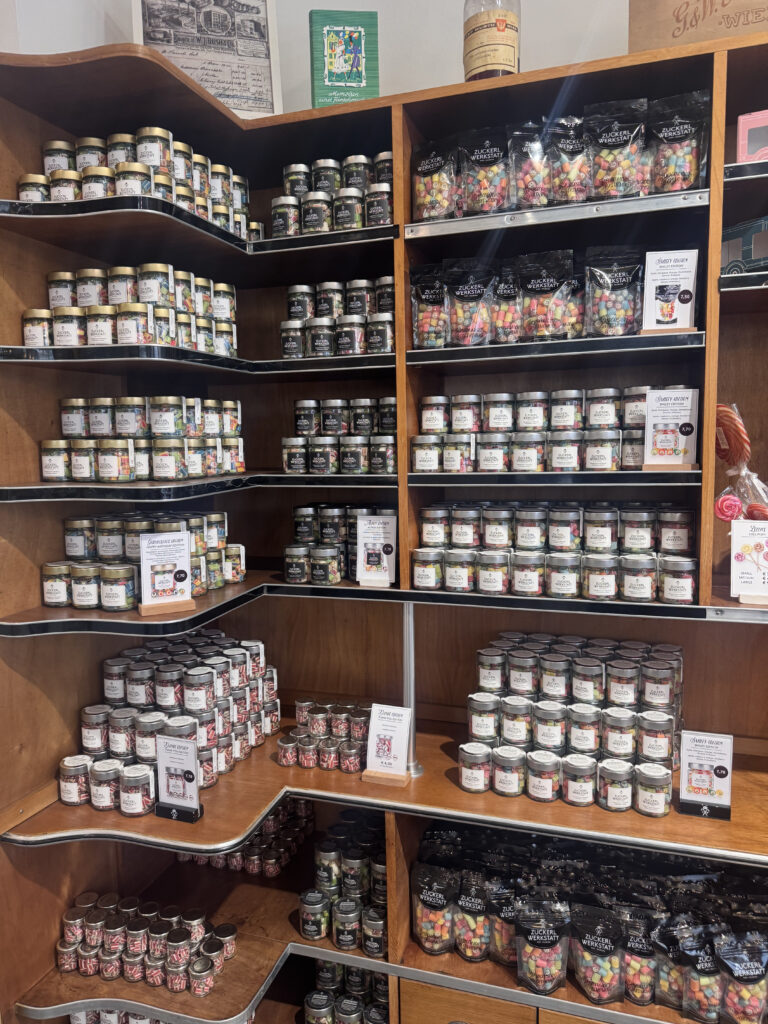
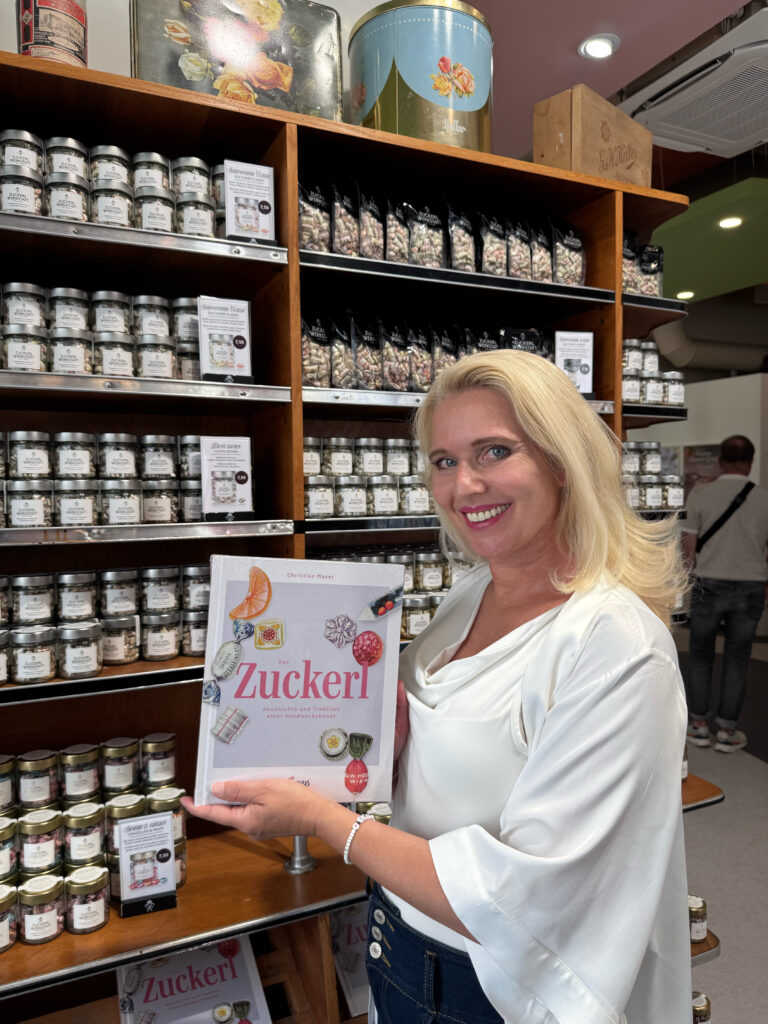
Even before the actual tour began, a distinctive aroma filled the air—warm, sweet, and somehow comforting. It was almost as if someone had gathered all their childhood memories and packed them into a single place. Colorful jars filled with tiny works of art—glowing in every imaginable hue—lined the room: raspberry red, lemon yellow, apple green, and vibrant violet. Some resembled little gemstones, others tiny paintings. I couldn’t help but smile.
My mom and I looked at each other and shared the same thought: we had just landed right in the middle of a little sugar wonderland. These are exactly the kind of places I love in Vienna. Not the major sights that everyone knows anyway, but the small workshops where you can tell people pour their heart and soul into their craft—places where passion and skill matters more than mass production.
While people outside hurried through the city center, time seemed to slow down inside. Perhaps that is precisely the magic of this place. For the moment you step into Zuckerlwerkstatt Wien, you forget about everyday life.
A Viennese rarity
found only here
Before our tour began, our guide shared a few fascinating facts with us.
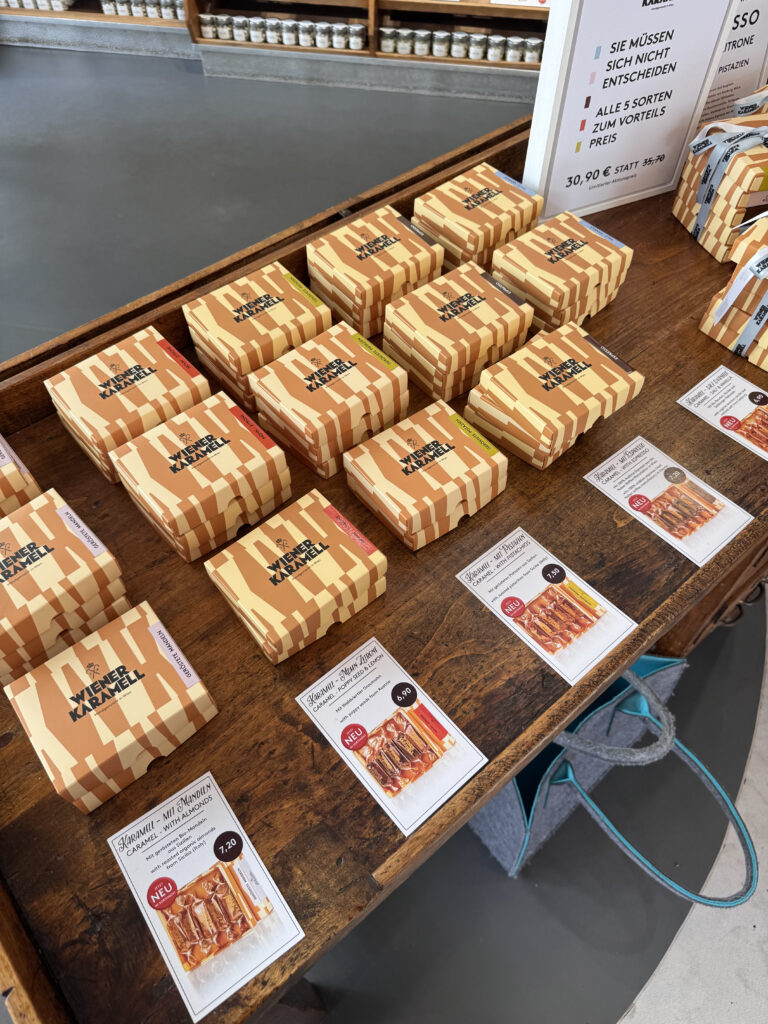
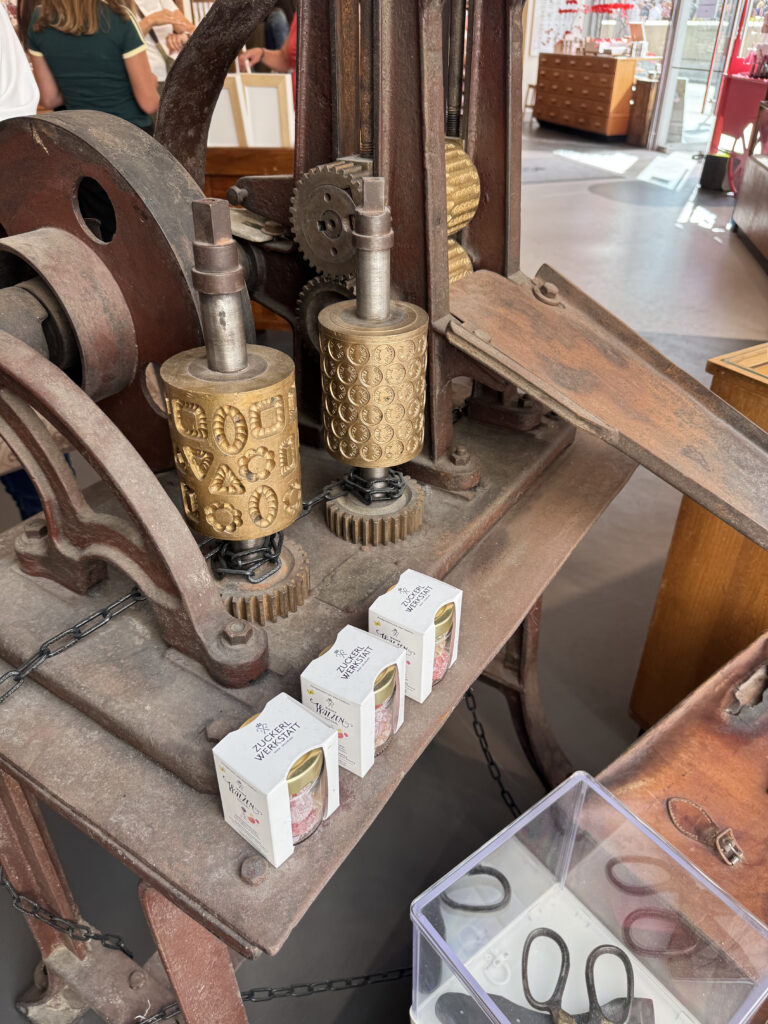
You see, many people think that a candy is just a candy. After this tour, you definitely won’t think that anymore. Zuckerlwerkstatt Wien was founded in 2013. Back then, it had a rather extraordinary mission: to revive a nearly extinct Viennese craft. Today, there are two locations. One on Herrengasse and the one on Führichgasse, which we visited. While visitors at the Führichgasse location can witness the entire production process, the Herrengasse shop now even produces its own caramel. It also houses a beautifully restored 70-year-old packaging machine that twists each caramel in its own distinctive way.
What impressed me the most?
You really can’t buy these candies anywhere else. Not in the supermarket. Not online from some wholesaler. Not abroad. They are made exclusively here, making them a true Viennese specialty. That thought alone makes every single candy feel special.
90 minutes
that fly by
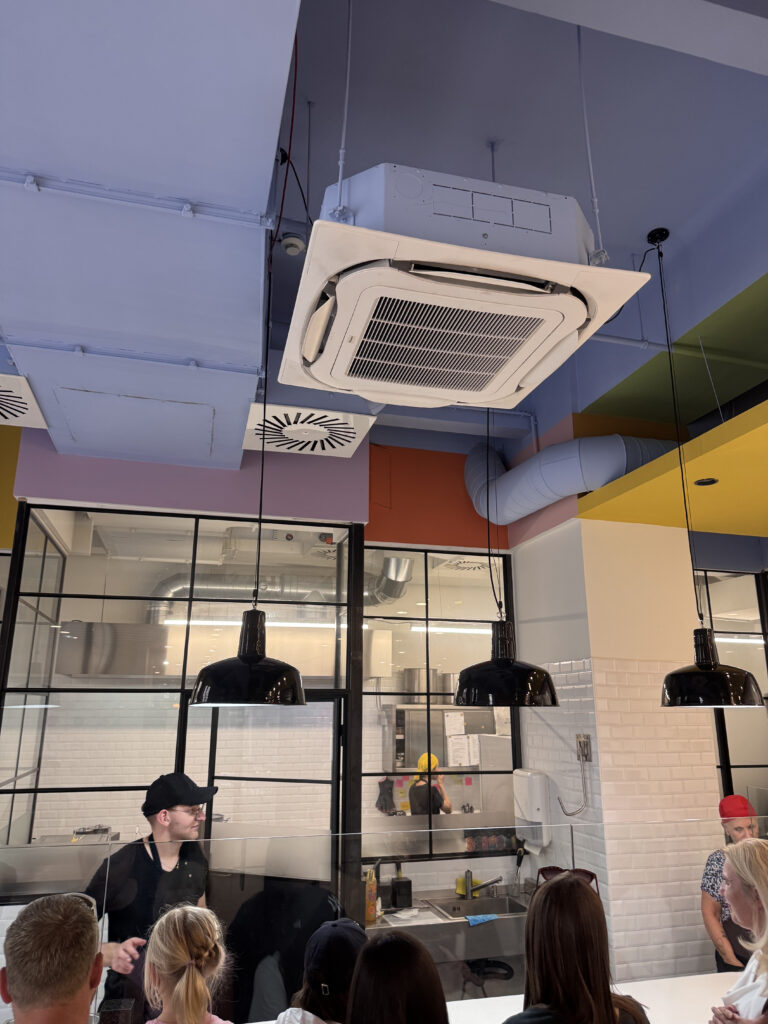
Our group consisted of about twenty people. A pleasant size, as everyone could see everything while still leaving enough time for questions. I have to be honest: I had no idea beforehand just how elaborate the production process actually is. I had pictured a big pot of sugar, a bit of coloring, a few molds—and that was it. How wrong I was. The tour begins right where it all starts:
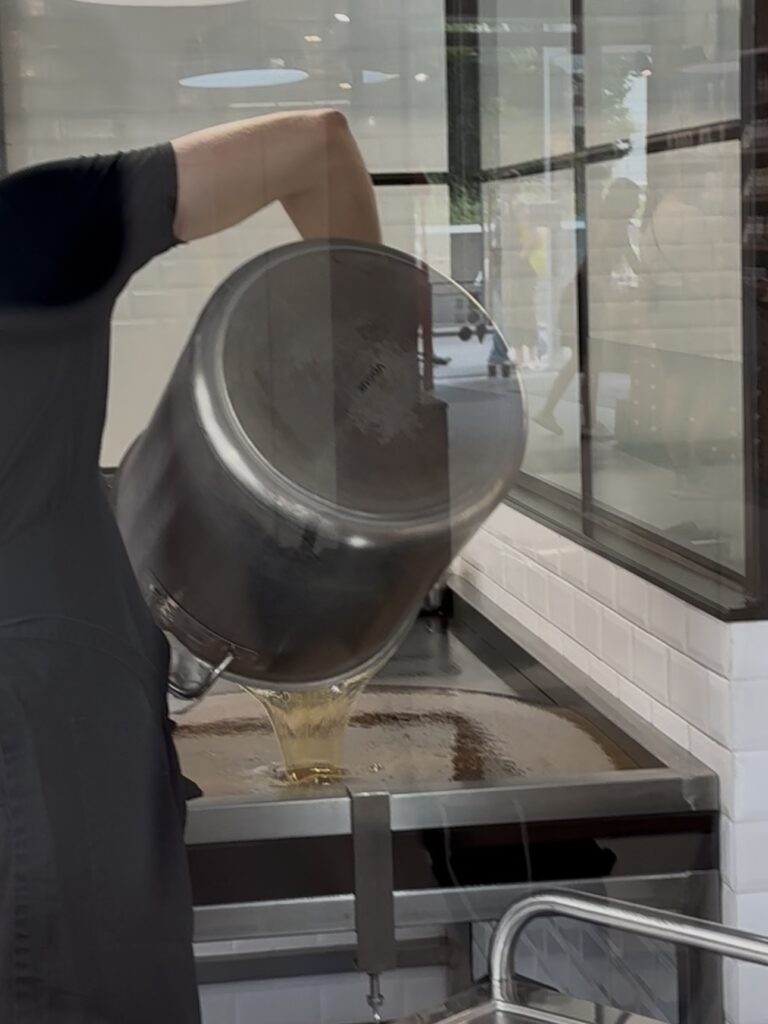
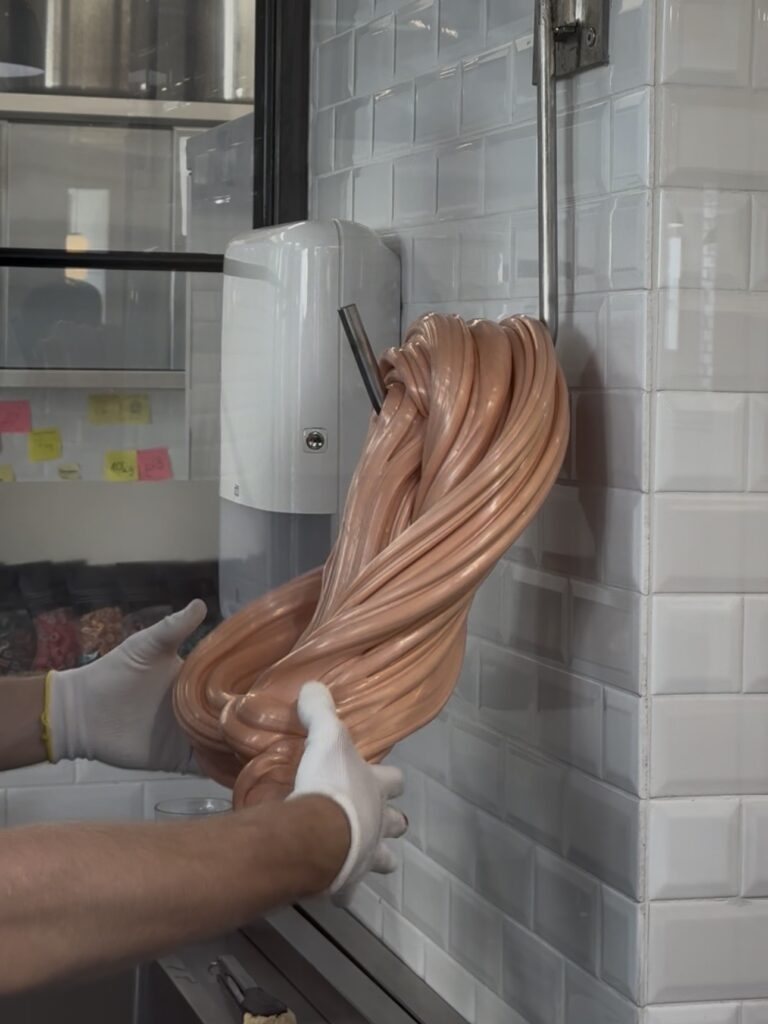
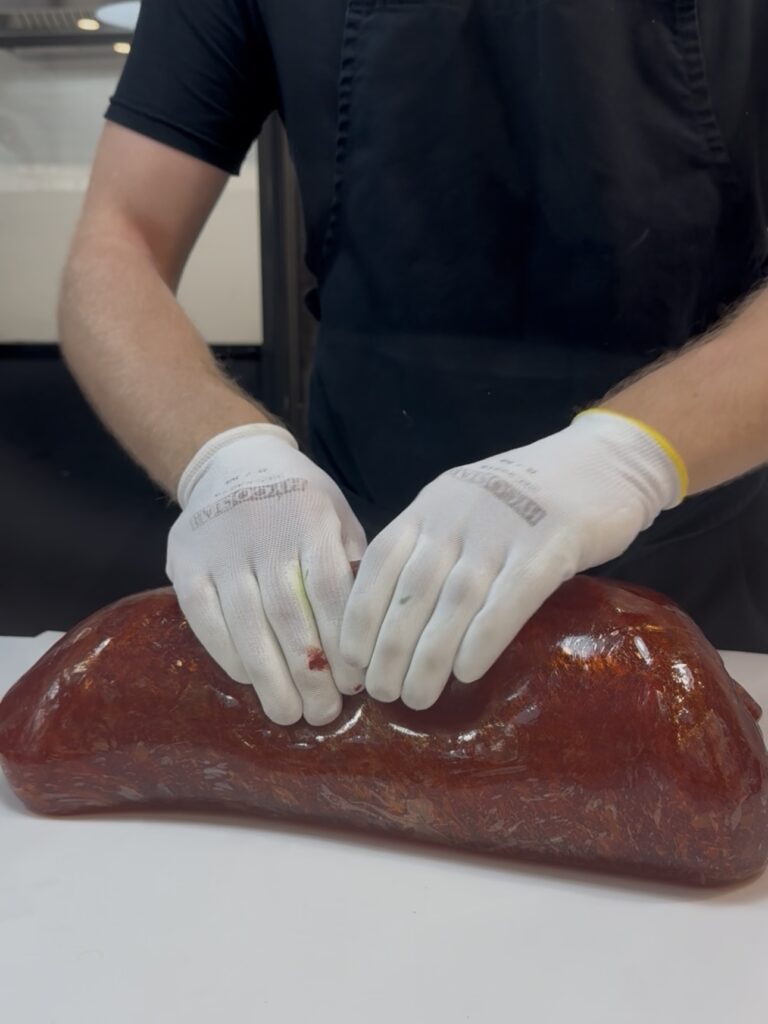
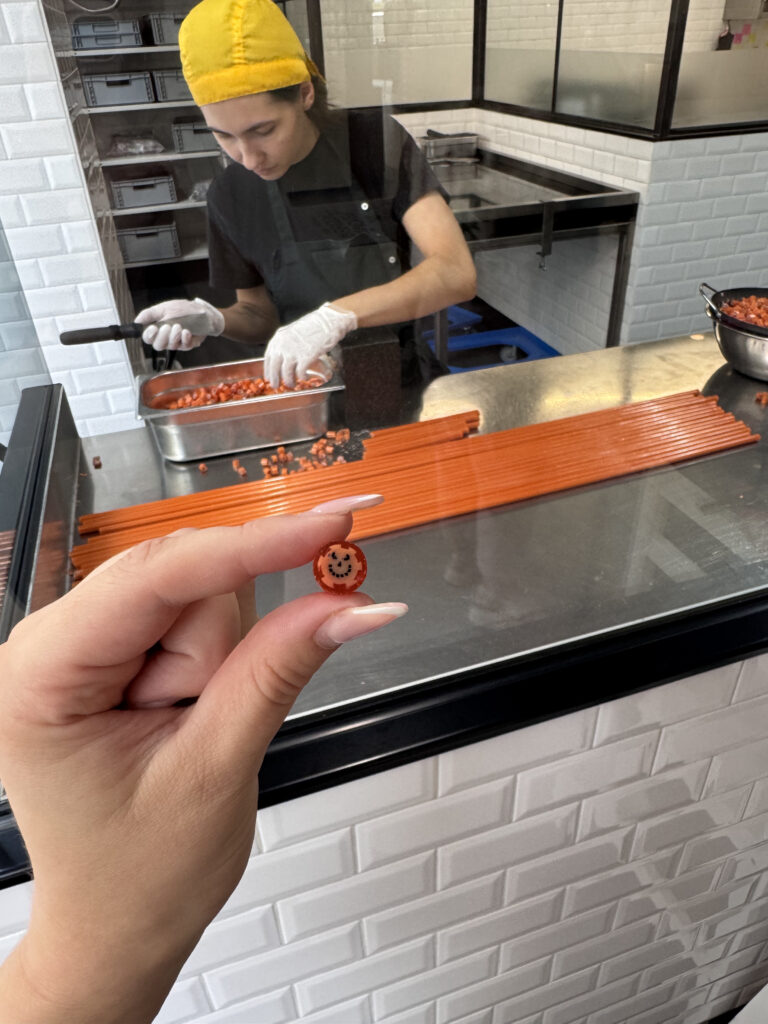
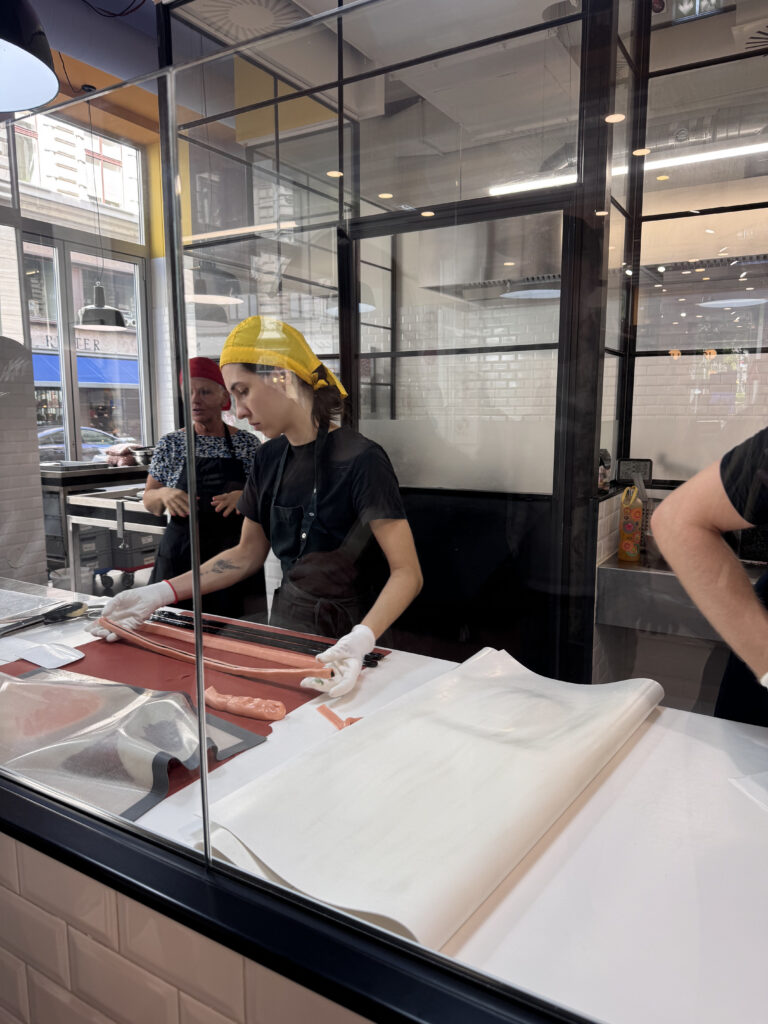
With a glowing, golden sugar mixture. The sugar is processed using local Viennese sugar, glucose syrup, and water. This combination ensures the mixture remains pliable and elastic. And „hot“ here really means hot. The confectioners work at temperatures that require special protective gloves – just like a glass worker. Just watching them made me feel the heat. As we all watched intently, the confectioners moved the glossy mixture across the worktable with impressive ease.
Every movement was precise. Every action seemed calm. Almost meditative. We were told that, to this day, there is no machine capable of taking over this work. Everything. Truly everything. Is done entirely by hand. And that is exactly what makes Zuckerlwerkstatt Wien so special to me. In an age where almost everything is automated, genuine, unique creations are still made by hand here.
Small masterpieces
are created from liquid sugar
I found it particularly fascinating how a single mass of sugar suddenly transformed into a wide array of colors.
Many visitors immediately asked about the food coloring. But that is precisely where one of the biggest differences lies. In fact, no artificial food colorings are used at all. The colors come exclusively from vegetable and plant extracts, as well as natural fruit flavors. I found that incredibly appealing. When it comes to taste, the goal isn’t simply to be as sweet as possible. Quite the opposite. The confectioners explained to us that the perfect balance between sweetness and acidity is crucial.
That is what creates the intense flavor you experience when tasting them.
All the while, the hot sugar mixture was repeatedly pulled, folded, and worked. I could have watched for hours. It was almost like a little choreographed routine. Everyone knew exactly when each step had to be performed. No frantic activity. No noisy machines. Just focused, manual craftsmanship. And in that very moment, I suddenly understood why Zuckerlwerkstatt Wien delights so many people. Ultimately, you aren’t just buying sweets here. You are taking a piece of Viennese craftsmanship home with you.
Why a single piece of candy
consists of countless individual parts
However, the most fascinating part of the tour was only just beginning. For every design has its own unique blueprint. Yes, you read that right.
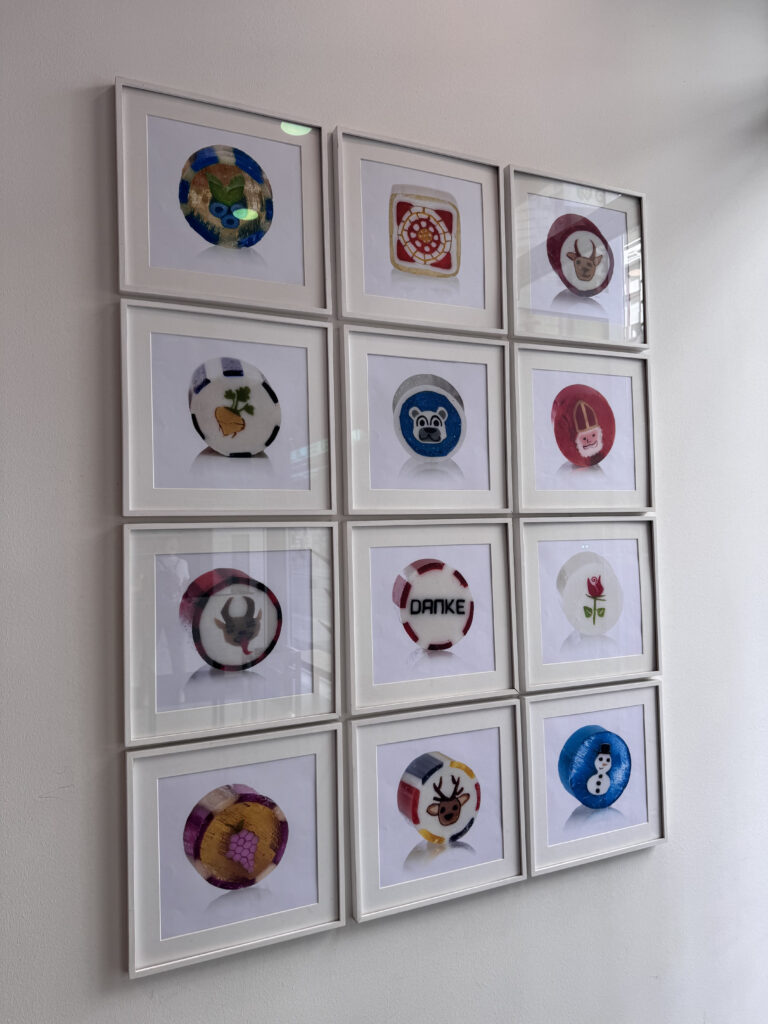
Before a single piece of candy can even be created, the intended design is mentally broken down into as many individual components as possible. Every leaf. Every blossom. Every letter. Every heart. Everything is built up separately. Only then are all the individual elements assembled piece by piece. Almost like a three-dimensional puzzle. I was immediately reminded of glassblowers or goldsmiths.
Because, in reality, they aren’t just making candies here. They are creating tiny works of art. And that is precisely why it is called „glass sugar.“ The production technique is over 150 years old and was even used in Hollywood back in the day.
There, this so-called „glass sugar“ served as fragile window glass for film scenes and spectacular stunts. I found that little bit of history incredibly fascinating in itself. Who would have thought that this very same technique lives on today in the heart of Vienna? And as we watched, fascinated, while a finished design slowly emerged from dozens of individual sugar parts, I realized just how much patience, precision, and experience go into every single piece of candy. I believe that after this tour, no one will ever again claim that a piece of candy is „just a piece of candy.“
Why every piece of candy
is actually a small work of art
The longer the tour went on, the more I realized that the work done at the Zuckerlwerkstatt in Vienna is unlike almost any other craft.
Of course, there are pastry chefs. Of course, there are chocolatiers. But what is created here is something entirely unique. Every single piece of candy is the result of experience, patience, and an incredible amount of finesse. There is no machine that could take over this work. No assembly line. No push-button process. Just people. People who love their craft. And that is exactly what you sense at every single stage of the process.
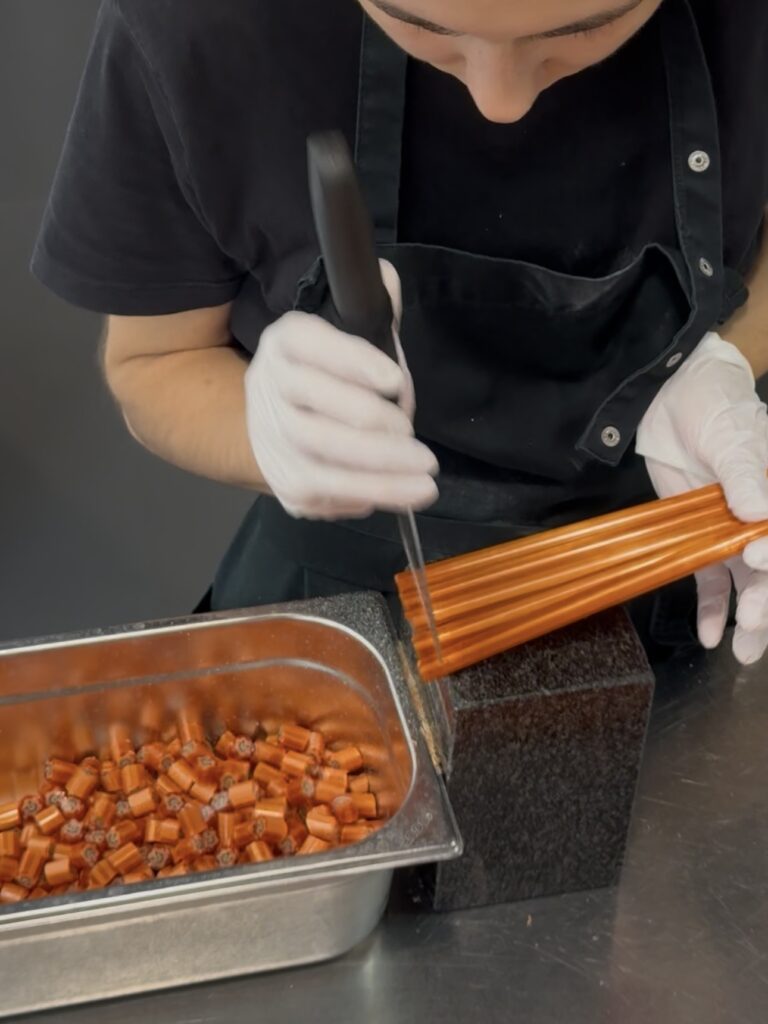
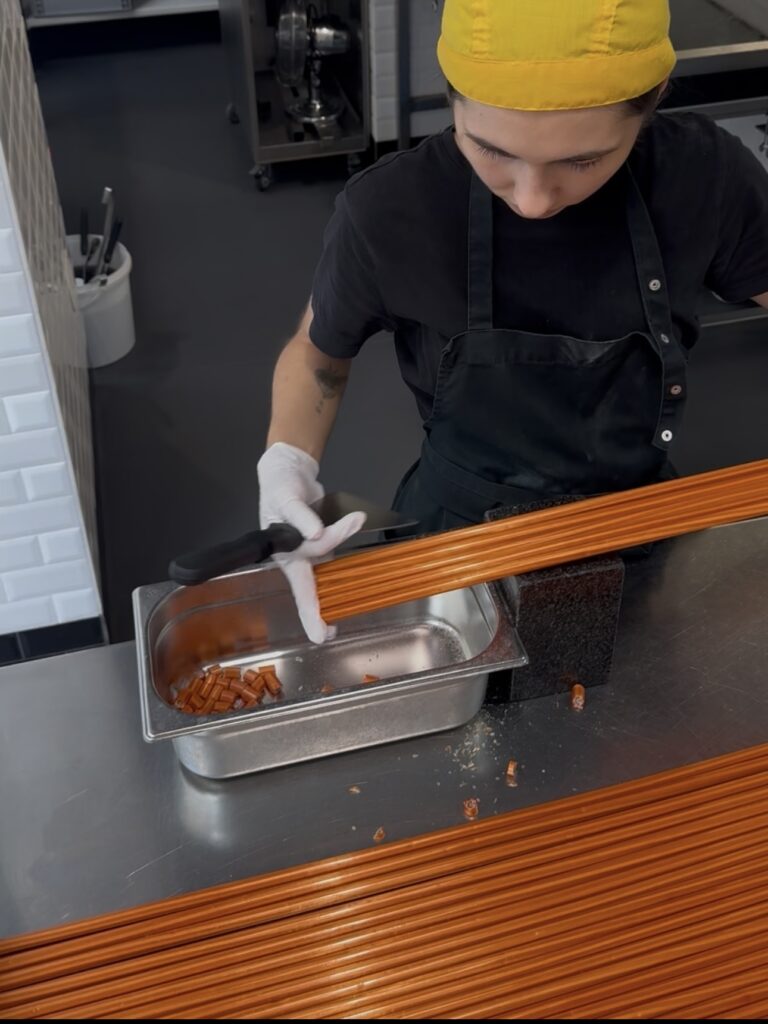
I was particularly impressed by the fact that each confectioner has their own personal spatula. It might sound unremarkable at first, but it is actually a tool that—over the years—fits perfectly in the hand and allows each person to develop their own unique technique. Almost like a chef with their favorite knife. Or an artist with their paintbrush. And then there is one step in the process that is considered the ultimate challenge, even among the confectioners themselves. The so-called „chopping.“ This is when the large sugar log is cut into hundreds of small pieces.
White candies, in particular, are considered especially difficult to handle. Every cut has to be precise. Too early. Too late. Too hard. Too soft. A single mistake can ruin the design. When we were allowed to watch this, our group suddenly fell completely silent. You could sense immediately that the utmost concentration was required. It is no wonder, then, that each confectioner develops their own technique over the course of years.
The Viennese Silk Candy
– a sweet global star
Of course, the house’s most famous candy couldn’t be left out: The *Wiener Seidenzuckerl* (Viennese silk candy).
Or, as it used to be called: The *Krachmandel*.
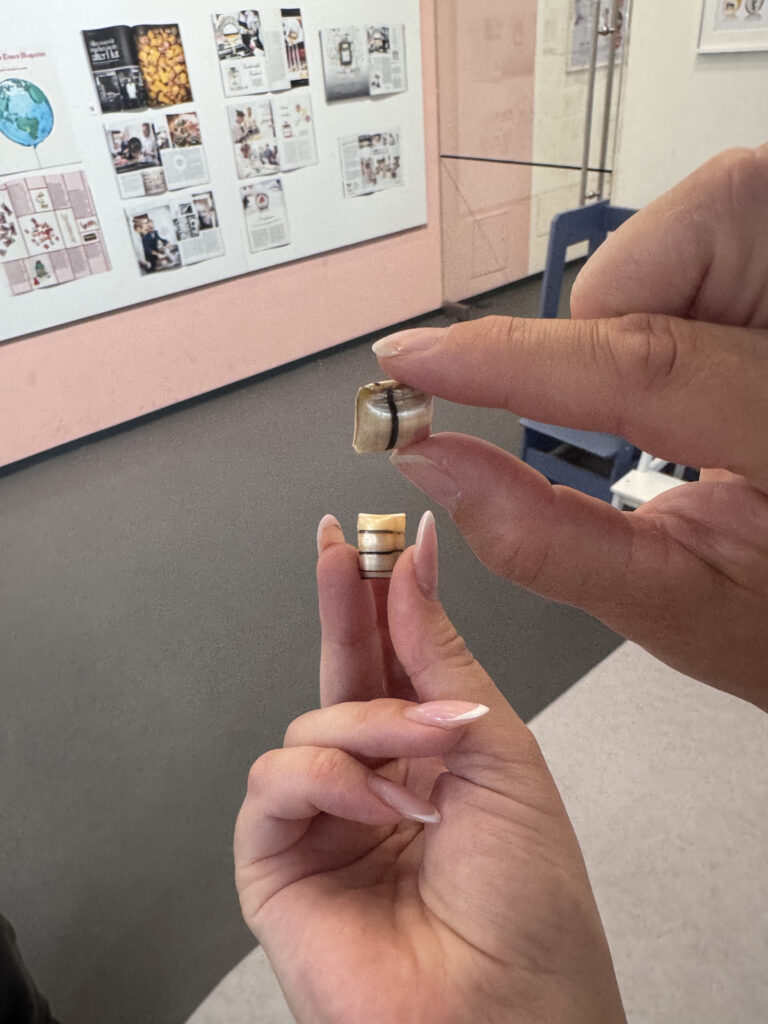
The name alone evokes a wonderful sense of nostalgia. From the outside, it looks almost like a little pillow. Almost too beautiful to eat. Yet, incredible craftsmanship lies within. A single *Seidenzuckerl* consists of more than 200 wafer-thin layers of sugar. When I heard that figure, I honestly had to ask twice. Over two hundred layers. For a single candy. And it is precisely these fine layers that create the distinctive texture for which the *Wiener Seidenzuckerl* has become world-famous.
It is fascinating how something seemingly so simple can evolve into a product that now draws people from all over the globe to Vienna. I love stories like this, too. They show that true craftsmanship never goes out of style.
A profession that
officially no longer exists
One piece of information during the tour really surprised me.
The profession of*Zuckerbäcker* (traditional sugar confectioner) doesn’t actually officially exist anymore. lt has been considered extinct since the 1960s. That was something I really had to let sink in. After all, if the profession no longer exists…
… how does someone actually become a *Zuckerbäcker*?
I found the answer incredibly beautiful. To be precise—confectioners still exist, BUT they are actually candy makers. At Zuckerlwerkstatt Wien, new employees are trained right on-site. Not through a traditional apprenticeship. Not through vocational school. But by the people who have mastered the craft themselves. This knowledge is passed down from generation to generation. Without any official job description. It is precisely this that keeps this almost-forgotten tradition alive. I think stories like this are what define Vienna. Not everything has to be new. Sometimes, it is the old that should be preserved.
When even Christian Dior comes knocking A story shared during the tour illustrates just how widely known this craft is—far beyond Austria’s borders. Even Christian Dior commissioned custom-made candies featuring his own logo. It made me smile instantly. It fits perfectly, somehow. Luxury meets craftsmanship. French elegance meets Viennese tradition. Collaborations like this demonstrate the high regard in which Zuckerlwerkstatt Wien’s work is now held.
How a friendship grew
out of a newspaper
But I was particularly moved by a completely different story.
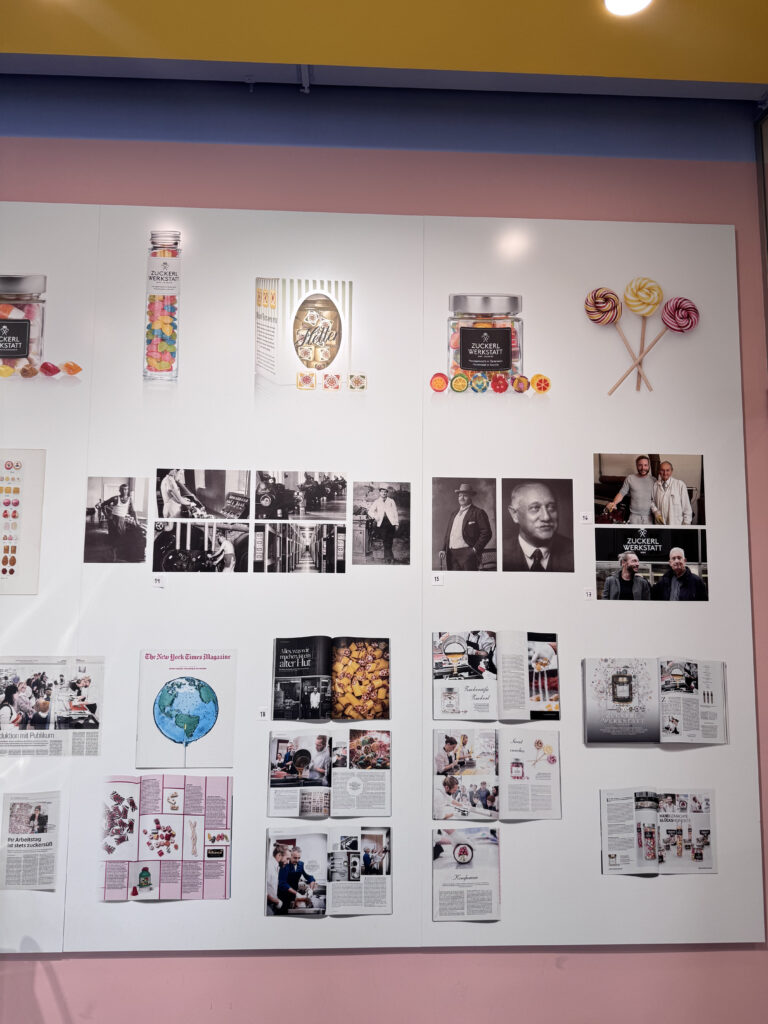
Many of you likely remember the legendary Heller Zuckerfabrik. For many years, it was a true institution in Austria. One day, Mister Heller read a newspaper article about the young confectionery workshop. She was evidently so enthusiastic that she promptly got in touch. That simple newspaper article eventually blossomed into a friendship—and later, even a collaboration. I find stories like that incredibly beautiful. They show that passion connects people. It makes no difference whether a company has been around for decades or is just starting out.
Something similar happened with Max Fellöcker, by the way. After seeing the confectioners on Servus TV, he invited them to Upper Austria. There, he shared his decades of expertise and demonstrated the traditional techniques of this nearly lost craft. Without people like him, a vast amount of that knowledge would likely have vanished forever. And that is precisely why this tour takes on such a special significance. You aren’t just watching sweets being made here. You are witnessing history being passed on.
Mamas little highlight?
The jellies
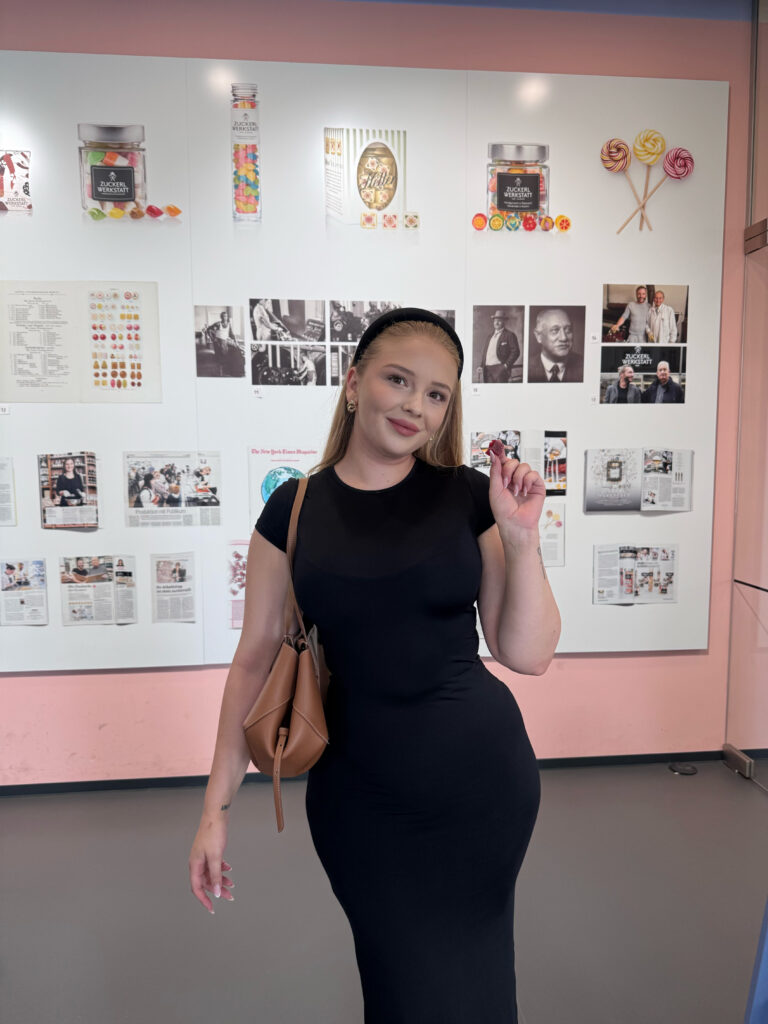
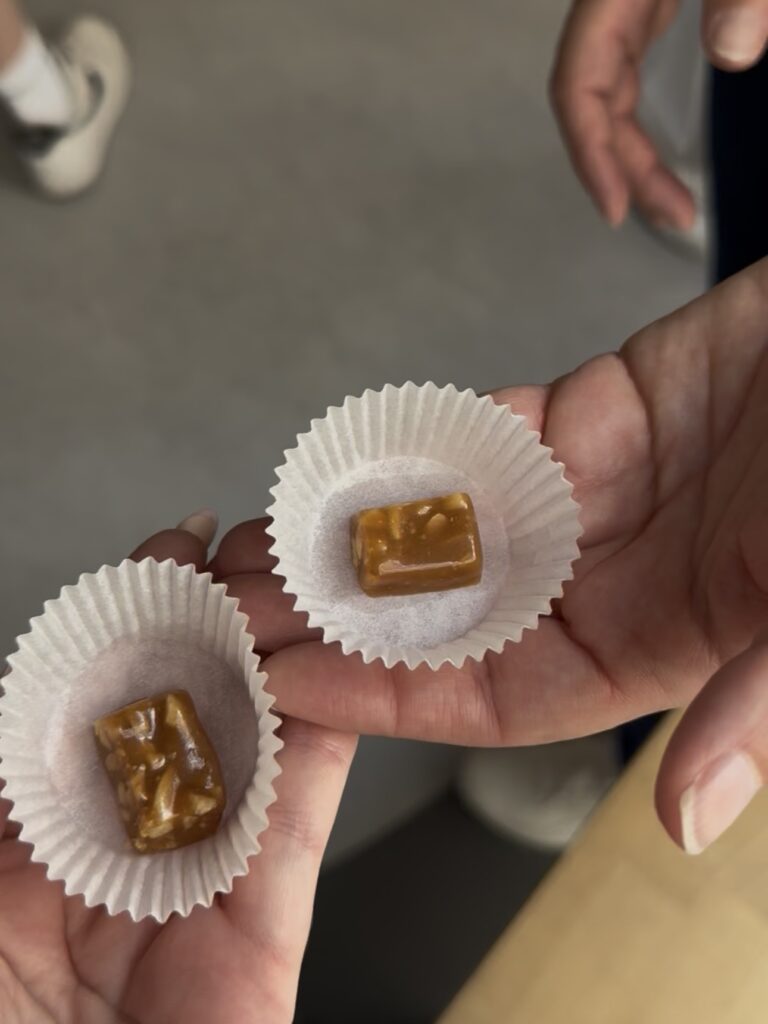
Of course, there was a chance to taste them at the end.
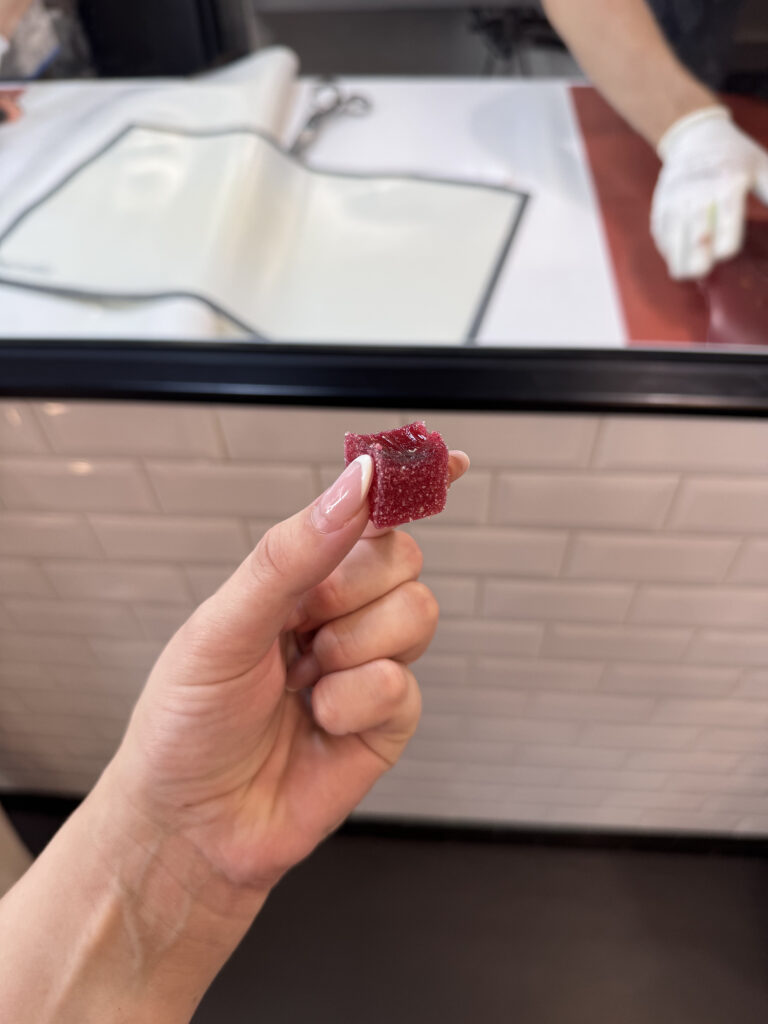
While I sampled my way through the various flavors, my mom found her absolute favorite quite quickly. The jellies. And I have to admit: I can see why. They are wonderfully soft, incredibly flavorful, and completely different from anything else out there. Some varieties are even enhanced with liqueurs or alcohol. In case you’re wondering whether you can taste or detect that later on: Don’t worry. The alcohol evaporates completely during the high-temperature cooking process. All that remains is the delicate aroma.
It’s precisely these little behind-the-scenes details that make the tour so fascinating for me. You can really sense the wealth of knowledge behind every single product. And how eager they are to share that knowledge with visitors
my summary
One of the best tours I’ve experienced in Vienna
There are places you visit just once.
And then there are places you’re still talking about weeks later. For me, Zuckerlwerkstatt Wien definitely falls into the second category. Not just because of the beautiful candies. Not just because of the tasting. But above all, because of the people. From the very first moment, I felt that no one here was simply going through the motions of their job.
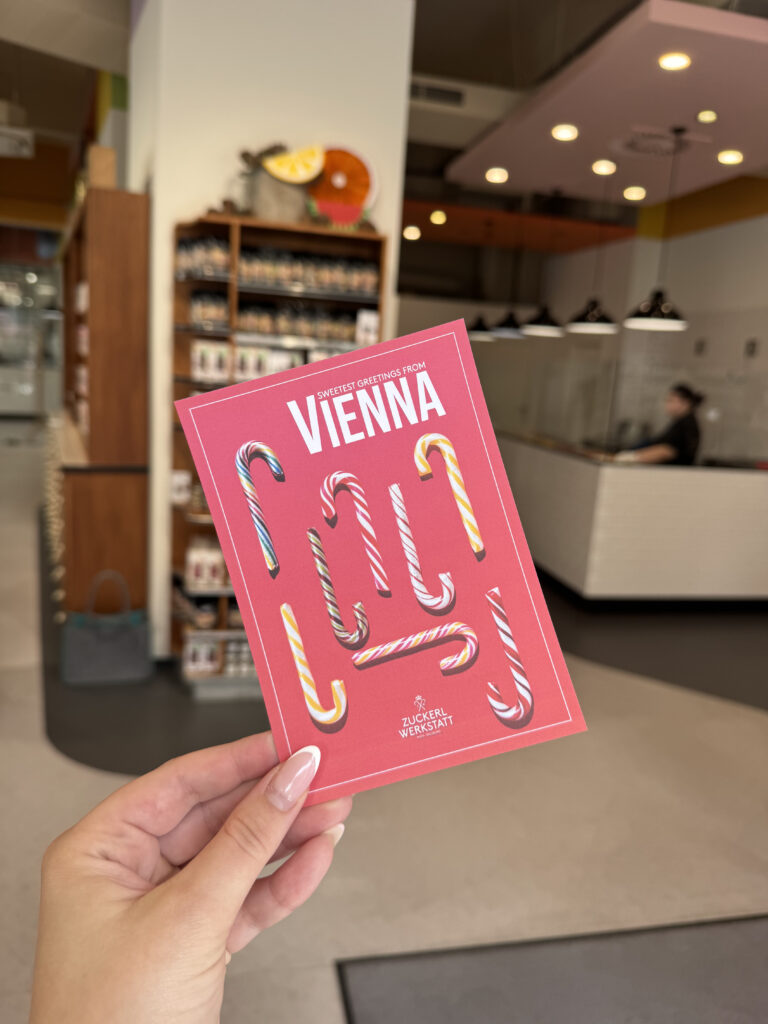
Everyone we met spoke about their craft with an enthusiasm that was instantly contagious. You could tell they loved every detail—from selecting regional ingredients and using centuries-old techniques to the final cut when chopping the candy canes. It is precisely that passion that makes the difference.
Walking through the production area with my mom, watching small works of art emerge from a glowing-hot sugar mass in just about 90 minutes, and hearing so many fascinating stories along the way was a real highlight for me. Experiences like this always remind me that Vienna has so much more to offer than just its famous landmarks. Often, it is the small artisan workshops that leave the biggest impression.
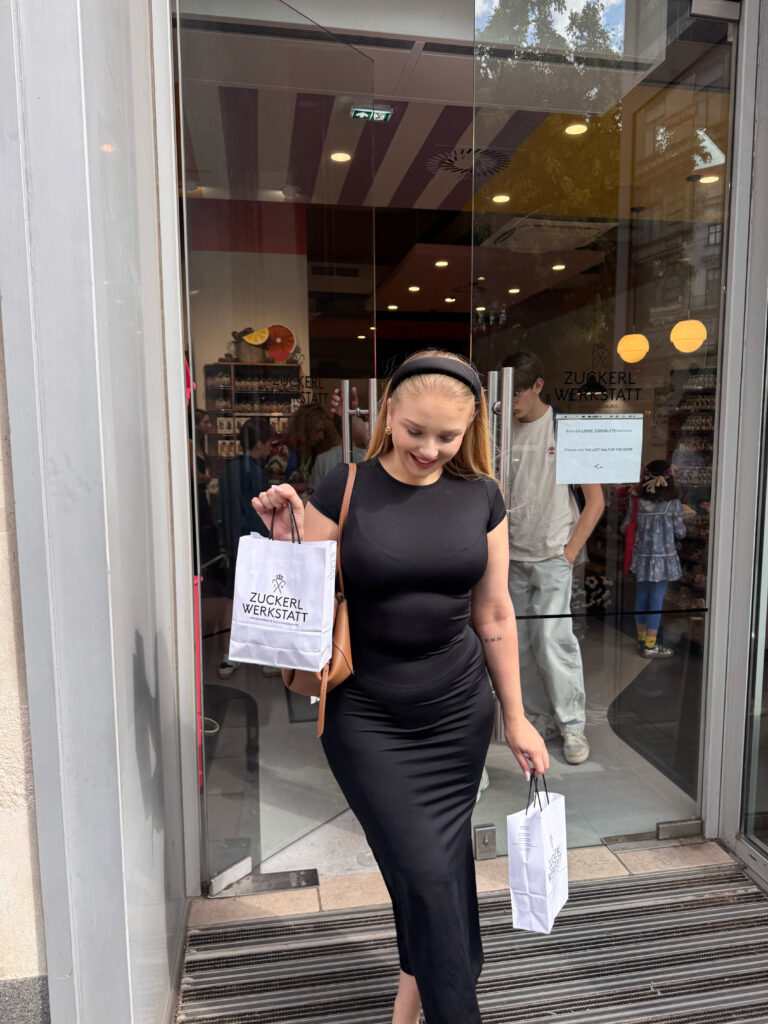
So, if you’re looking for an experience that is quintessentially Viennese—as well as entertaining, educational, and incredibly charming—I can wholeheartedly recommend a visit to Zuckerlwerkstatt Wien. Whether you go with family, friends, or—like me—with your mom, it’s an experience that delights young and old alike. And who knows—you might just leave the same way we did: with a small bag full of candies, a smile on your face, and a newfound appreciation for a craft that continues to make Vienna a little bit sweeter to this day. 🍬